
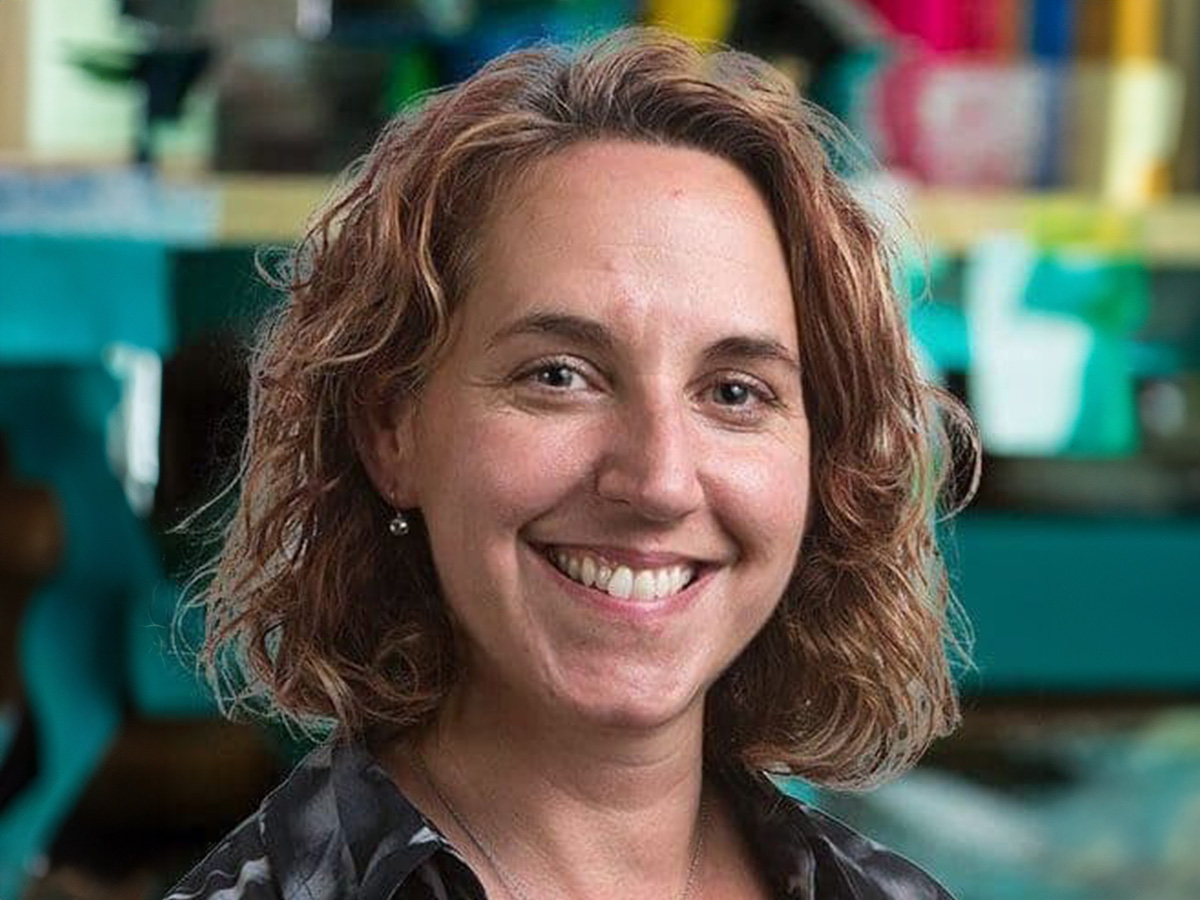
Susan Kaech
NOMIS Foundation Chair and director of the NOMIS Center for Immunobiology and Microbial Pathogenesis
Organization
Salk Institute for Biological Studies
About Susan Kaech
Susan Kaech is the NOMIS Foundation Chair and director of the NOMIS Center for Immunobiology and Microbial Pathogenesis at the Salk Institute for Biological Studies (La Jolla, US). She co-led the Marmosets as a Model System of Aging and Neurodegeneration project and is currently co-leading the Neuroimmunology Initiative at the NOMIS Center.
Born in the US, Kaech received a BS from the University of Washington (Seattle, US) in 1993 and a PhD from Stanford University (Stanford, US) in 1999. She has served as the Waldemar Von Zedtwitz Professor of Immunobiology at Yale University (New Haven, US). She is the recipient of numerous prestigious awards including the Howard Hughes Medical Institute Early Career Scientist award, the Presidential Early Career Award for Scientists and Engineers, the Edward Mallinckrodt Jr. award and the Burroughs-Wellcome Foundation award. She has been named an investigator of the American Asthma Foundation and the Cancer Research Institute.
Kaech is investigating how immune cells — called T cells — remember infectious agents our bodies have previously encountered in order to mount a more rapid response the next time we’re exposed to them. She and her team discovered numerous genetic pathways and signals that operate in T cells to promote the development of long-term immunity. More recently, her lab is studying how immune cell activities can be influenced by metabolic changes, particularly within cancer. This work is opening up an entirely new way of thinking about how immunosuppression can occur in tumors.
‘s projects
The Question The nervous system and the immune system have historically been studied in siloes. Crosstalk between the two systems — and the role this intersection plays in health and disease — has long been understudied. However, the interplay between the nervous system and the immune system is critical. For example, increasing evidence indicates that […]
NOMIS researchers
Project period
2024 – 2029
Marmosets as a Model System of Aging and Neurodegeneration
Despite efforts by thousands of dedicated researchers over the past several decades, there is still no way to prevent, cure or slow the progression of Alzheimer’s disease (AD). The number of people affected by this devastating disease is staggering and, without a cure or means of prevention, it is projected to triple by 2050. Researchers […]
NOMIS researchers
Project period
2018 – 2021
‘s publications

Bile acid synthesis impedes tumor-specific T cell responses during liver cancer
The metabolic landscape of cancer greatly influences antitumor immunity, yet it remains unclear how organ-specific metabolites in the tumor microenvironment influence immunosurveillance. We found that accumulation of primary conjugated and secondary bile acids (BAs) are metabolic features of human hepatocellular carcinoma and experimental liver cancer models. Inhibiting conjugated BA synthesis in hepatocytes through deletion of the BA-conjugating enzyme bile acid–CoA:amino acid N-acyltransferase (BAAT) enhanced tumor-specific T cell responses, reduced tumor growth, and sensitized tumors to anti–programmed cell death protein 1 (anti–PD-1) immunotherapy. Furthermore, different BAs regulated CD8+ T cells differently; primary BAs induced oxidative stress, whereas the secondary BA lithocholic acid inhibited T cell function through endoplasmic reticulum stress, which was countered by ursodeoxycholic acid. We demonstrate that modifying BA synthesis or dietary intake of ursodeoxycholic acid could improve tumor immunotherapy in liver cancer model systems.
Research Fields
Biochemistry & Molecular Biology, Biomedical Research, Immunology, Microbiology, Oncology & Carcinogenesis

EGFR-Driven Lung Adenocarcinomas Co-opt Alveolar Macrophage Metabolism and Function to Support EGFR Signaling and Growth
Alternate strategies harnessing anticancer innate immunity are required for lung cancers with poor response rates to T cell–based immunotherapies. This study identifies a targetable, mutually supportive, metabolic relationship between macrophages and transformed epithelium, which is exploited by tumors to obtain metabolic and immunologic support to sustain proliferation and oncogenic signaling.
Research Fields
Oncology & Carcinogenesis

CD8+ T cells in the cancer-immunity cycle
CD8+ T cells are end effectors of cancer immunity. Most forms of effective cancer immunotherapy involve CD8+ T cell effector function. Here, we review the current understanding of T cell function in cancer, focusing on key CD8+ T cell subtypes and states. We discuss factors that influence CD8+ T cell differentiation and function in cancer through a framework that incorporates the classic three-signal model and a fourth signal—metabolism—and also consider the impact of the tumor microenvironment from a T cell perspective. We argue for the notion of immunotherapies as “pro-drugs” that act to augment or modulate T cells, which ultimately serve as the drug in vivo, and for the importance of overall immune health in cancer treatment and prevention. The progress in understanding T cell function in cancer has and will continue to improve harnessing of the immune system across broader tumor types to benefit more patients. © 2023 Elsevier Inc.
Research Fields
Health Sciences
‘s news
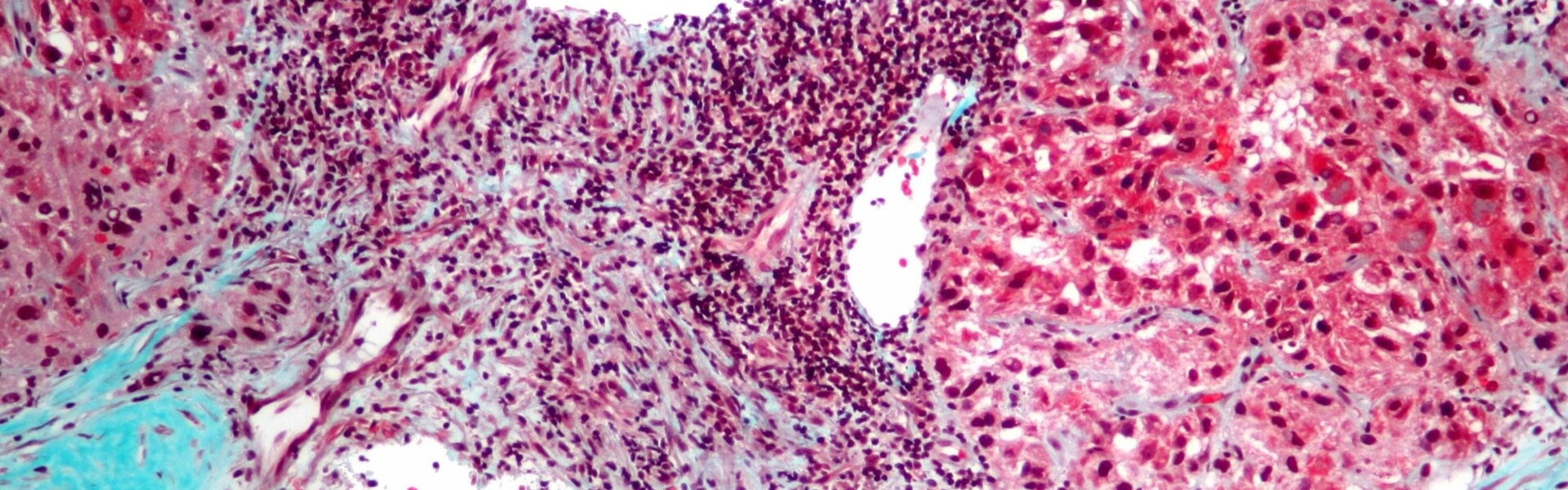
Scientists at the Salk Institute — including Director of the NOMIS Center for Immunobiology and Microbial Pathogenesis Susan Kaech, NOMIS researcher Gerald Shadel, former NOMIS Fellow Siva Karthik Varanasi and NOMIS Fellow Dan Chen — have discovered that removing the bile acid–creating protein BAAT and adding the bile acid UDCA controls tumor growth in mice […]
June 20, 2024
Salk Institute launches Neuroimmunology Initiative with $20 million gift from NOMIS Foundation
The Salk Institute will receive $20 million over four years from the NOMIS Foundation to launch a new Neuroimmunology Initiative within the Institute’s NOMIS Center for Immunobiology and Microbial Pathogenesis. By funding research programs, faculty recruitment, and pilot grants, the gift will enable Salk scientists to develop a deep understanding of the crosstalk between the […]
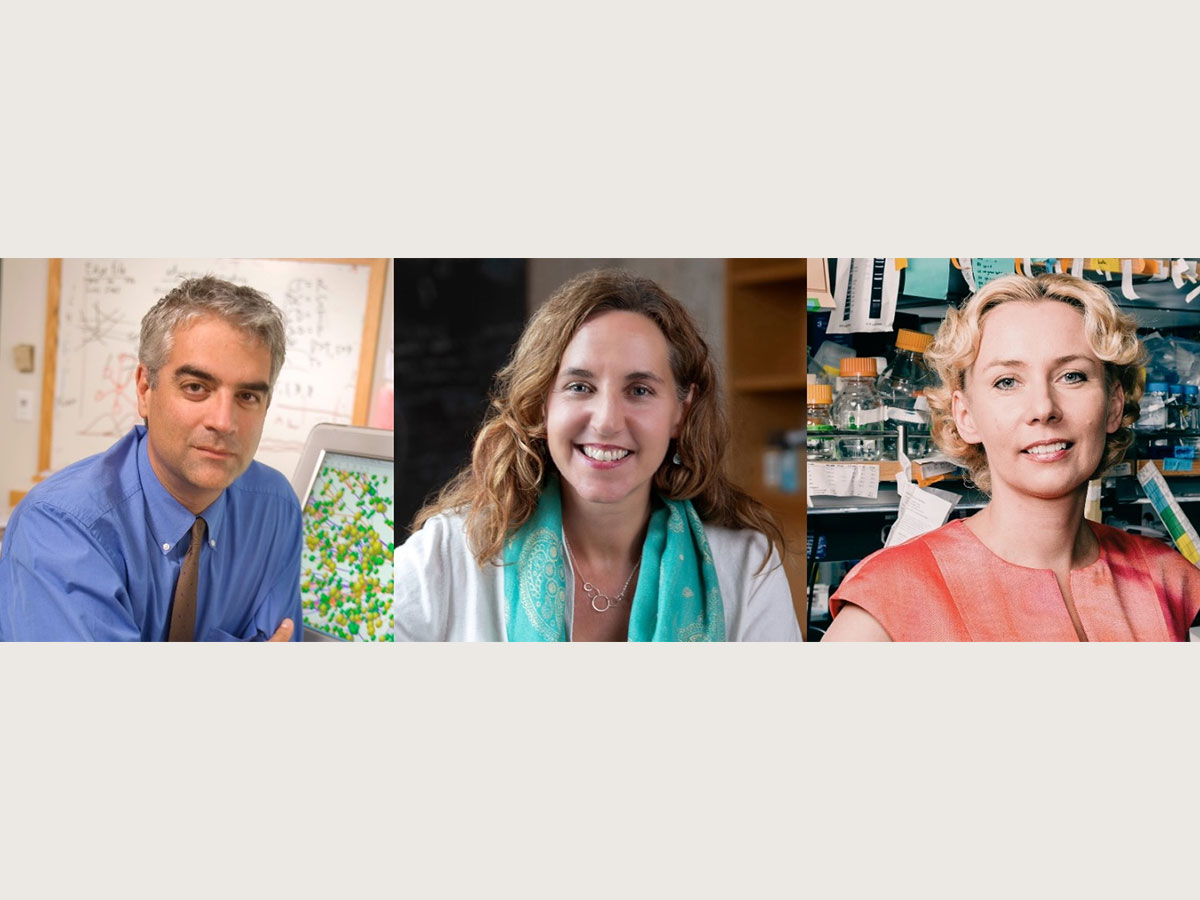

NOMIS Center for Immunobiology and Microbial Pathogenesis Director Susan Kaech and NOMIS researchers Nicholas Christakis and Joanna Wysocka have been elected to the US National Academy of Sciences. They are among 120 new members and 24 international members to be elected to the academy in recognition of their distinguished and continuing achievements in original research. The election […]
