
News
Stay informed about the research we support and the visionary minds behind it.

Latest news
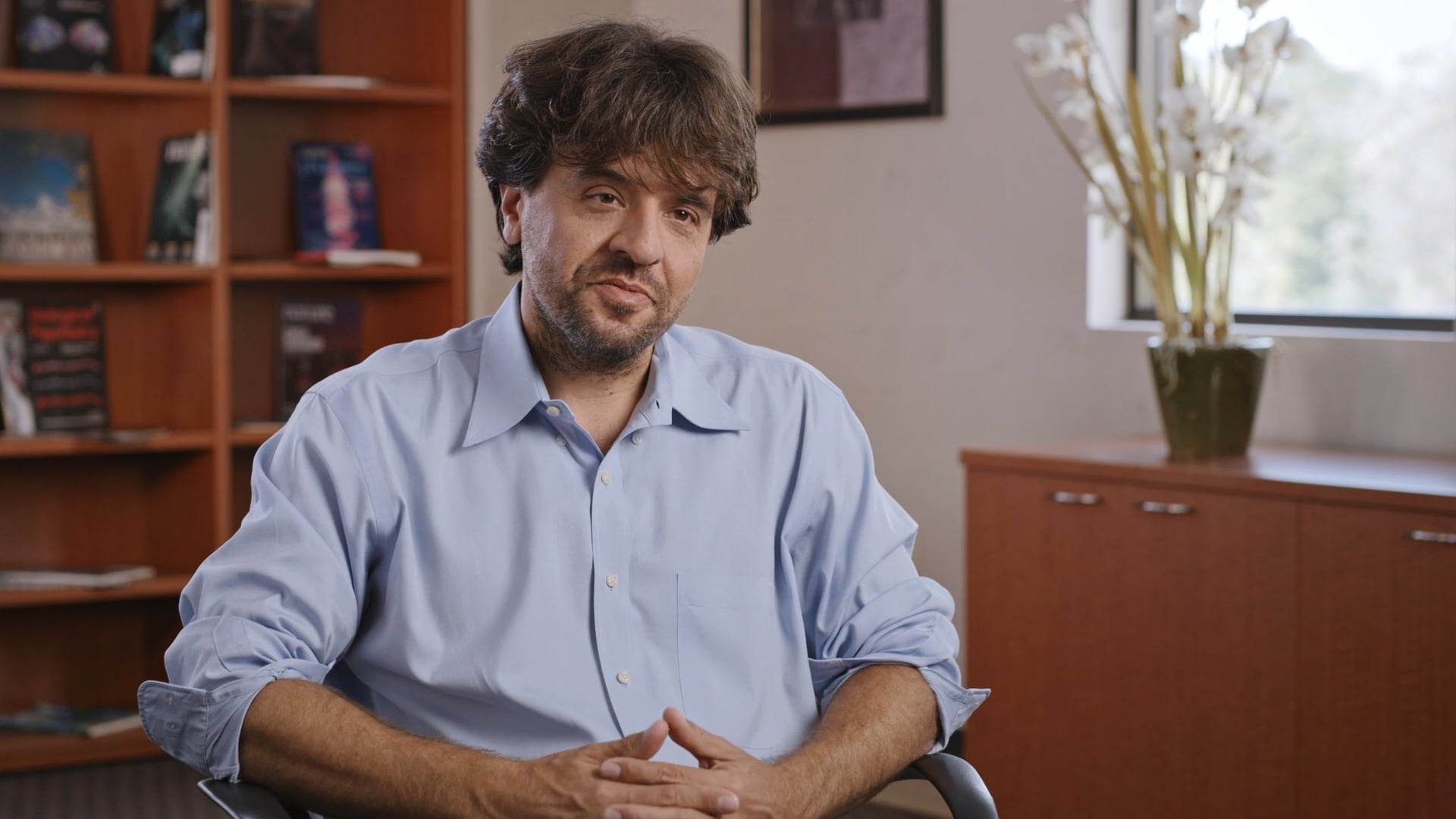
Karl Deisseroth has been awarded the 2026 Nobel Prize in physiology or medicine for discoveries leading to optogenetics.

September 14, 2026
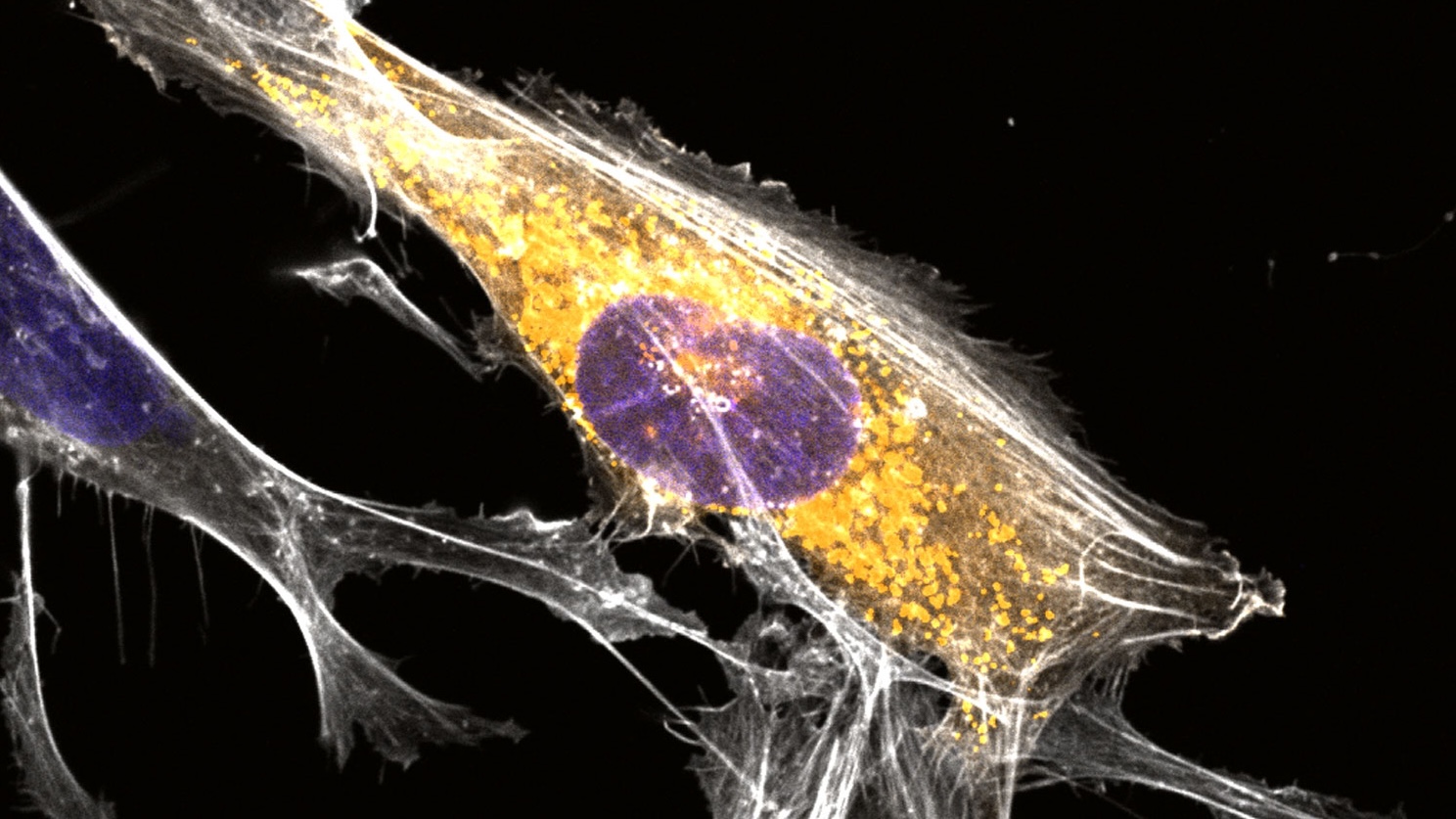
Microproteins provide new playbook for Alzheimer’s research
How can we better understand debilitating diseases like Alzheimer’s or Parkinson’s? NOMIS–Salk Fellow Eduardo Vieira de Souza, together with other scientists at the Salk Institute, are tackling this question. The researchers created the first microprotein atlas of the human frontal cortex with and without Alzheimer’s disease, and have found a link between a microprotein and […]
ETH Zurich has opened the 2026 call for the NOMIS–ETH Fellowship Program, inviting outstanding early-career researchers to pursue independent, interdisciplinary projects on one of science’s most fundamental questions: how life begins and where it may exist. Applications for fellowships within the Centre for Origin and Prevalence of Life (COPL) are open until Nov. 6, 2026.
August 13, 2026
Ummat Somjee receives 2026 Award in Field Biology
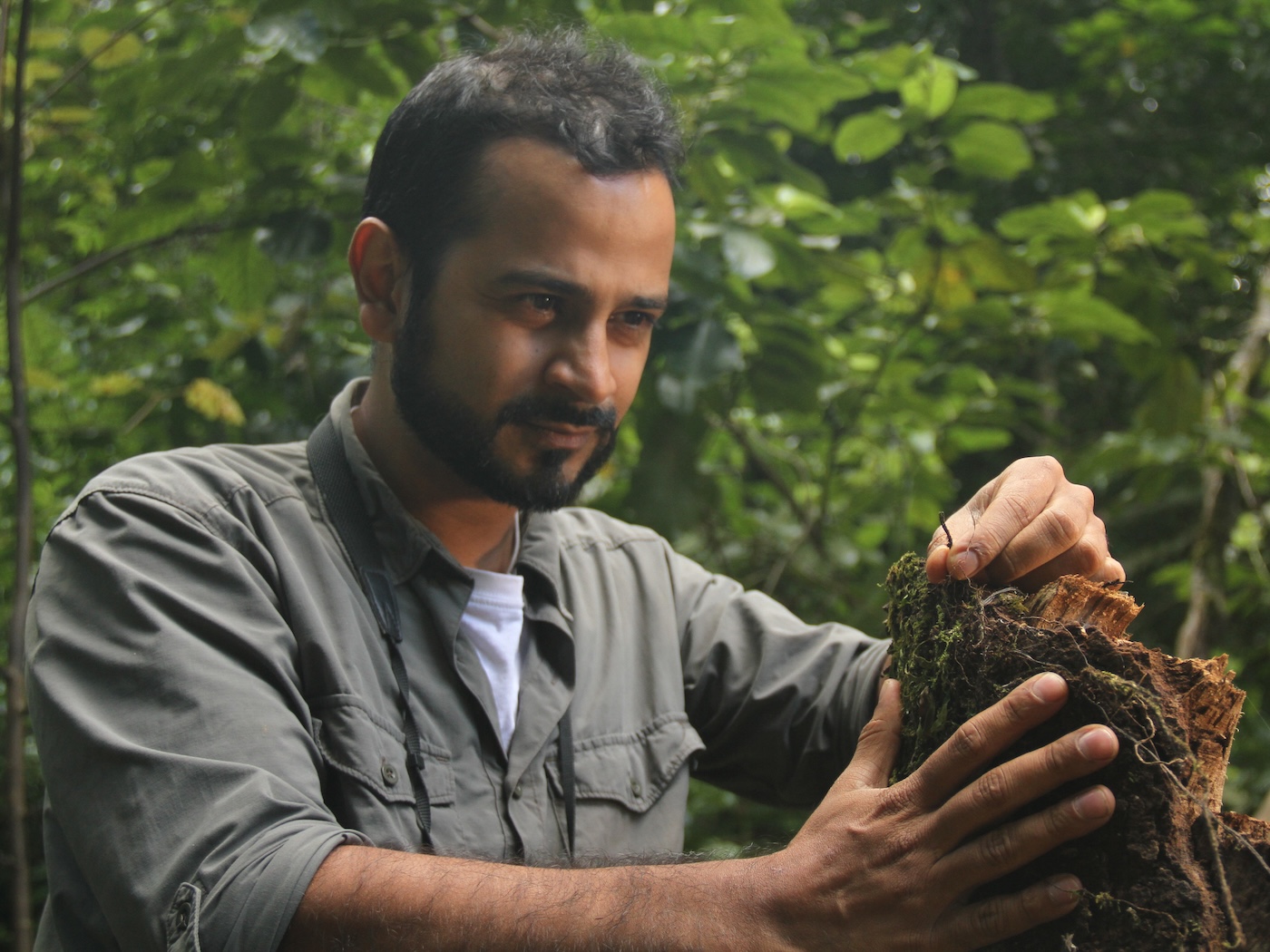
Former NOMIS–STRI Fellow Ummat Somjee has been recognized with a 2026 Award in Field Biology from the Maxwell/Hanrahan Foundation for his innovative, field-based experiments focusing on the evolution, function and costs of elaborated insect traits. Launched in 2020, the awards provide scientists with unrestricted funding, attention and support at critical junctures in their careers so they can focus on commitment and creativity, elevate often underrepresented perspectives to problem-solving, and promote progress in the biological sciences through research focused on our natural world.


How does increased activity of the Neandertal growth hormone receptor shape the bodies of people who carry it today? A study by researchers at the Karolinska Institutet and the Max Planck Institute for Evolutionary Anthropology, co-authored by NOMIS Awardee Svante Pääbo, identified two amino acid changes that are unique to the Neandertal growth hormone receptor. They found that adults who carry the Neandertal receptor have, on average, about 270 grams more muscle. They also tend to have slightly shorter tooth roots and subtle differences in the shape of the jaw. Their findings were published in Current Biology.
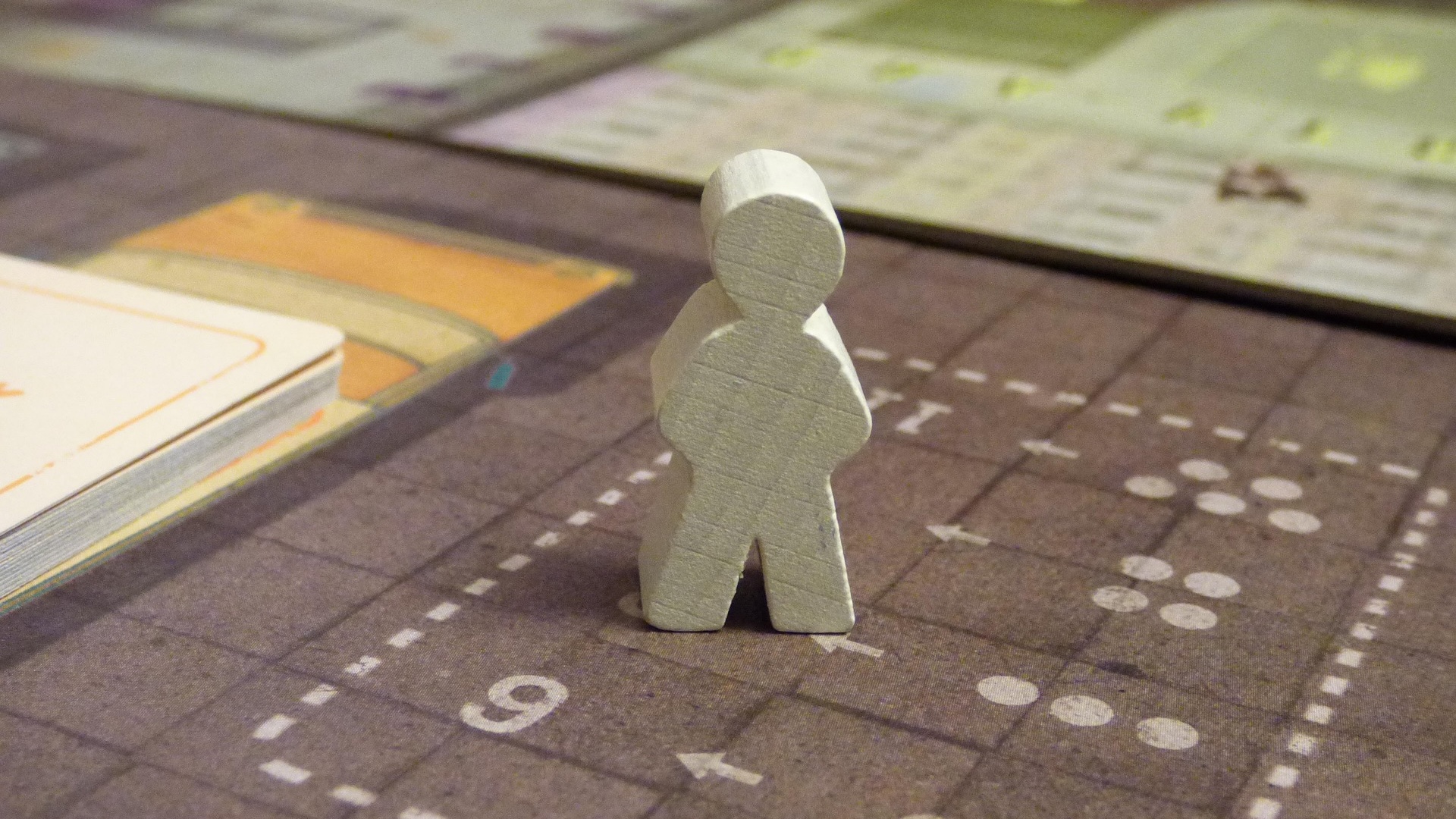

NOMIS researcher Tom Griffiths and colleagues have found that people can rapidly assess a game they have never played and play it sensibly on their first try, using only a few quick, shallow mental simulations. The study, published in Nature, sheds light on how people reason their way through unfamiliar situations, and could inform the design of AI systems that work out not just how to solve a new problem, but whether it is worth thinking about at all.
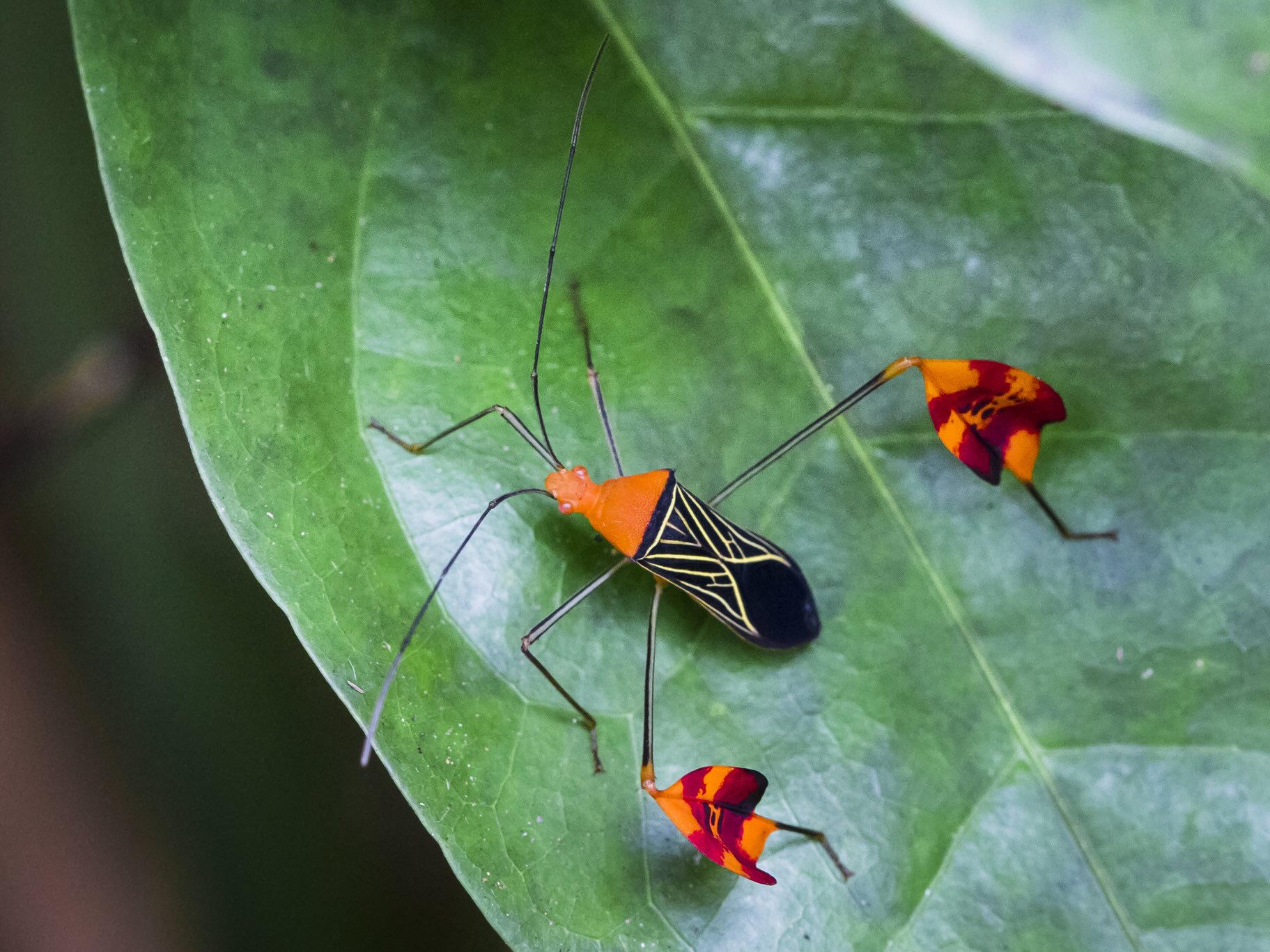
Do matador bugs — and some of their plainer-looking relatives — store poison from the plants they eat? Exploring this question, former NOMIS–STRI Fellow Ummat Somjee, together with collaborators from the Smithsonian Tropical Research Institute and the University of Texas at Austin, found the first evidence that the matador bug accumulates cyanide-producing compounds from eating passionflower plants, storing the toxins in their bodies to deter birds and other predators. The findings were published in the Journal of Chemical Ecology.

Why do people turn to magic for healing, divination or other high-stakes decisions, even when its practical effects are uncertain? A new interdisciplinary paper by NOMIS researcher Ryan McKay and colleagues argues that the answer is more complex than simply believing or not believing. People may approach magical practices with a shifting mix of conviction, […]
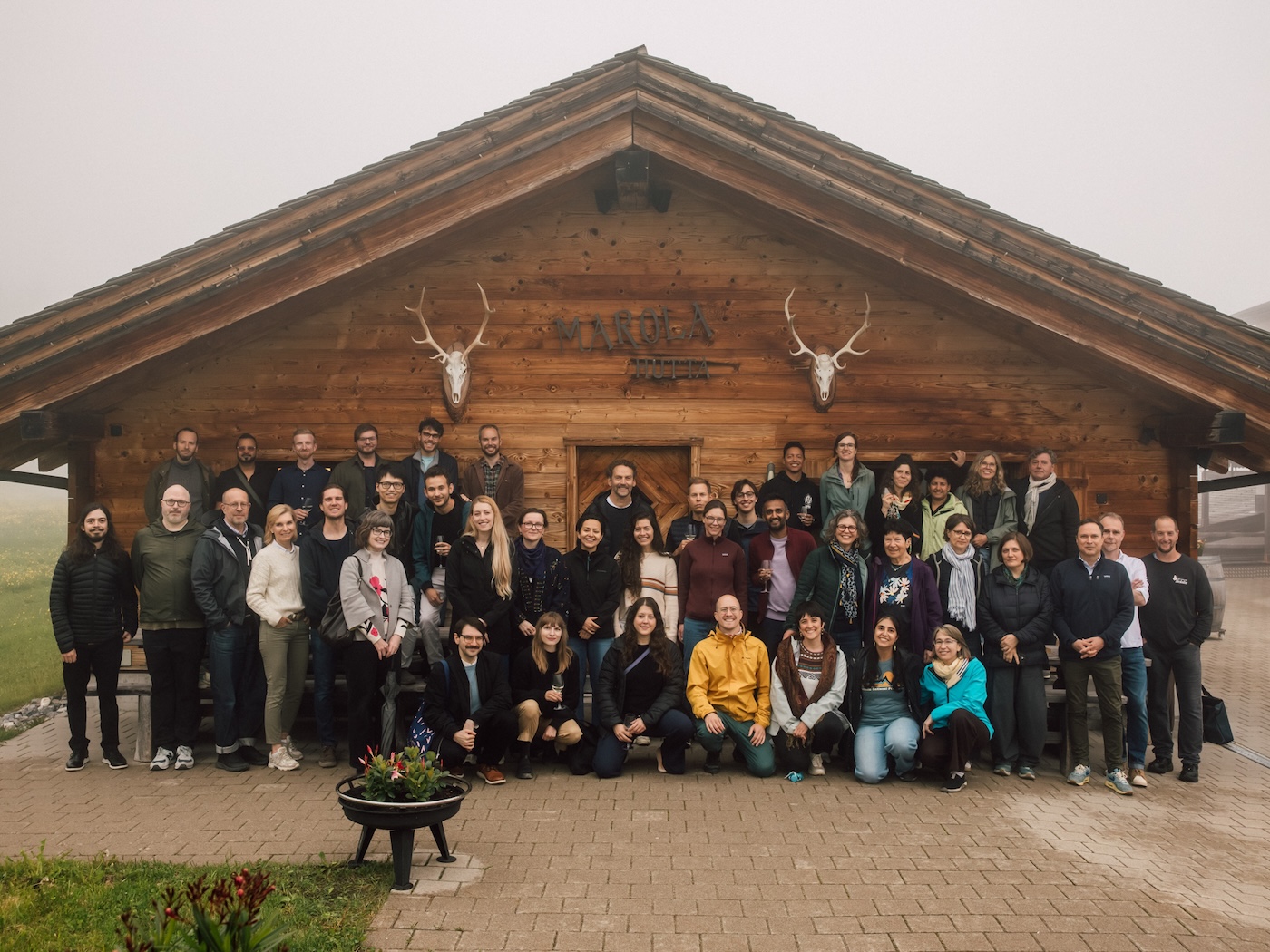
Set against the inspiring backdrop of the Swiss Alps, the inaugural NOMIS Fellows Symposium recently brought together an international, interdisciplinary group of current and former fellows for three days of keynotes, workshops and collaborative exchange. Under the theme “Embracing Uncertainty,” the event offered researchers space to broaden their horizons, challenge their assumptions, and discover unexpected […]

June 25, 2026
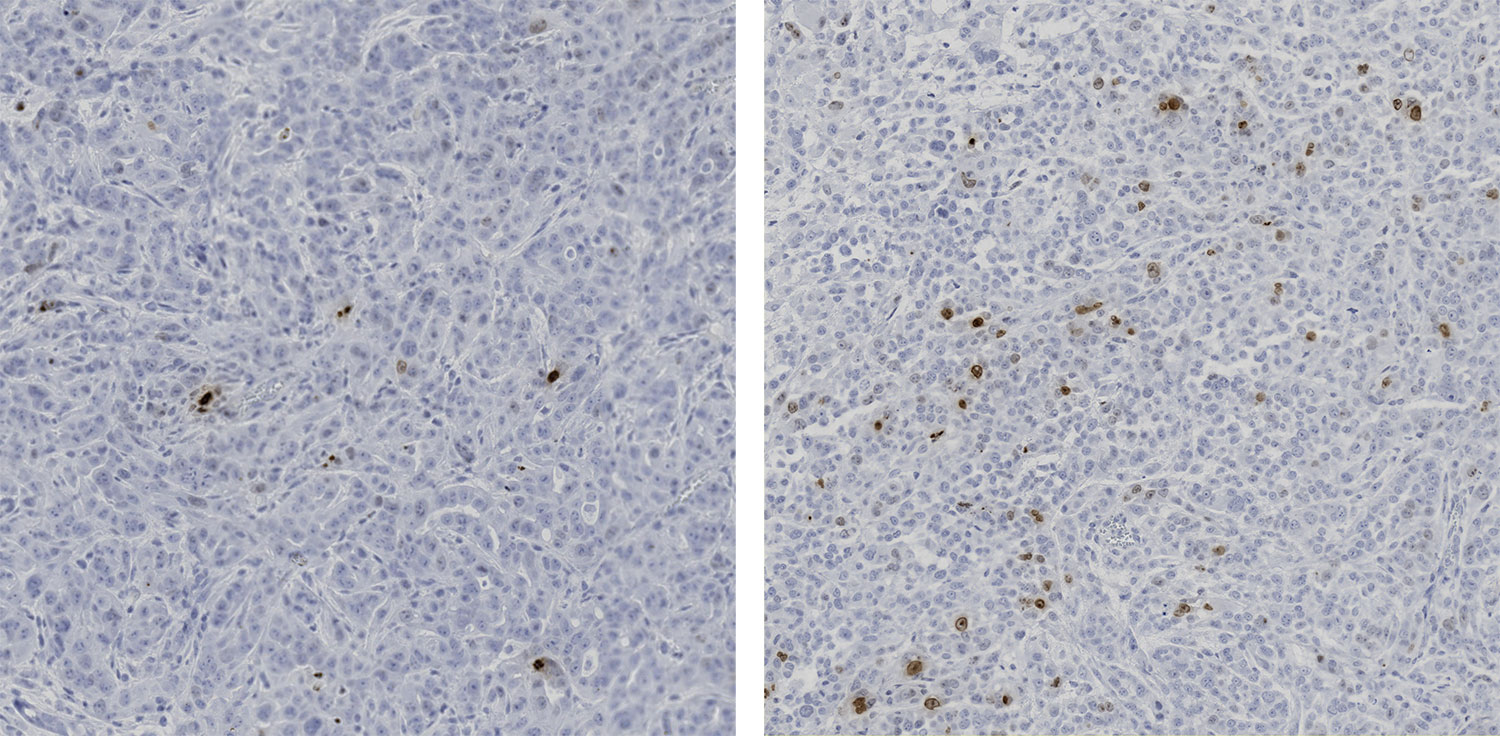
New therapeutic strategies for an emerging cancer drug
NOMIS Awardee Ronald Evans and fellow Salk Institute scientists uncover an unexpected role for HDAC enzymes in DNA damage repair and use their insights to develop new treatment strategies for pancreatic cancer. Their findings were published in Proceedings of the National Academy of Sciences.

Breakthroughs in science emerge when we dare to connect the seemingly unrelated. Just as Leonardo da Vinci drew on art, anatomy and engineering to reveal an interconnected world, solving today’s greatest mysteries demands the same boundary-crossing vision. In this spirit, the 2026 NOMIS Distinguished Scientist and Scholar Award honors three pioneering researchers whose bold ideas […]
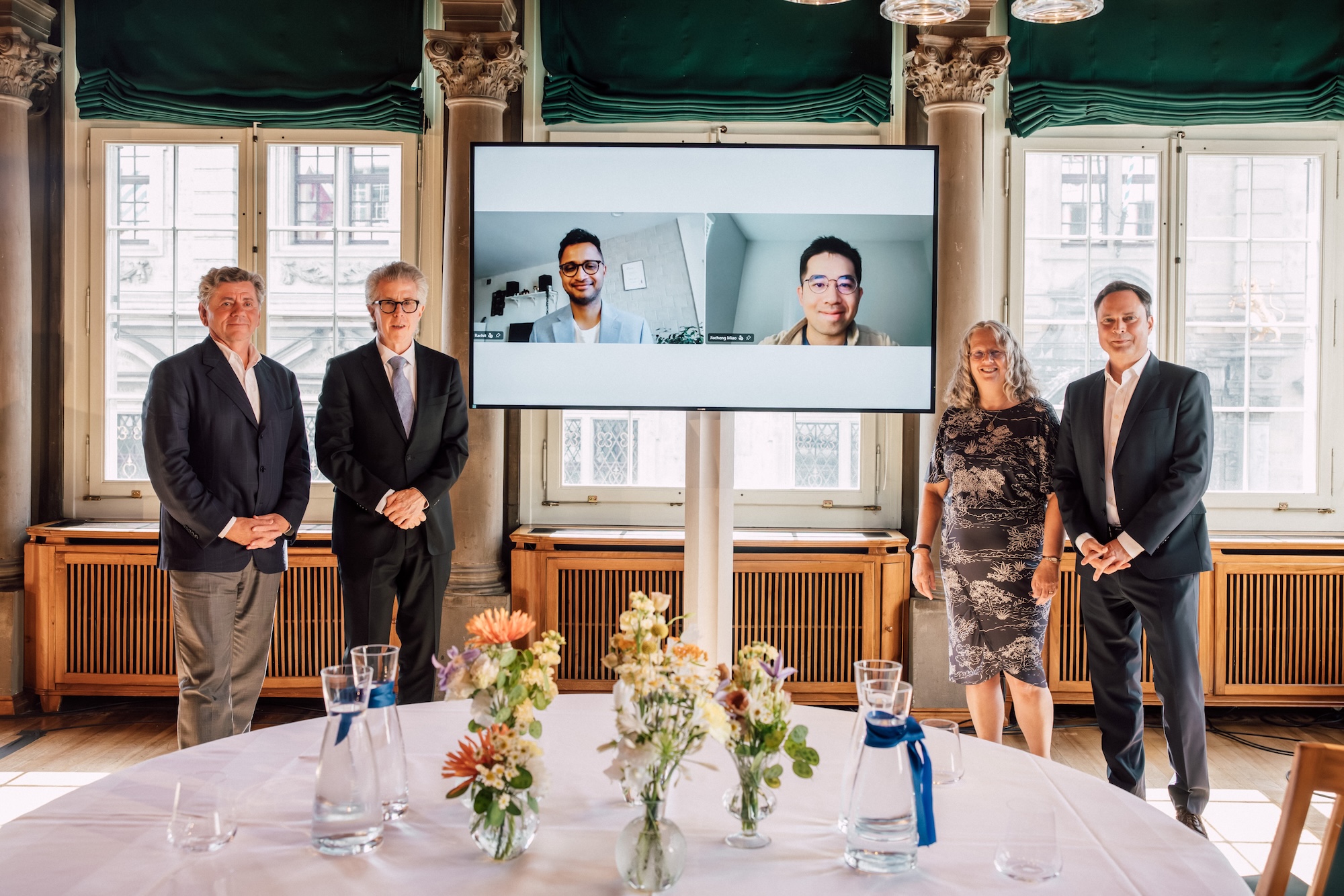
Why do global crises become background noise, and how do our genetics and environment shape complex human traits? Researchers Rachit Dubey and Jiacheng Miao crossed scientific boundaries to answer these fundamental questions. Their bold, innovative work earned them the 2025/26 NOMIS & Science Young Explorer Award, which was presented on June 11 at a ceremony […]
