
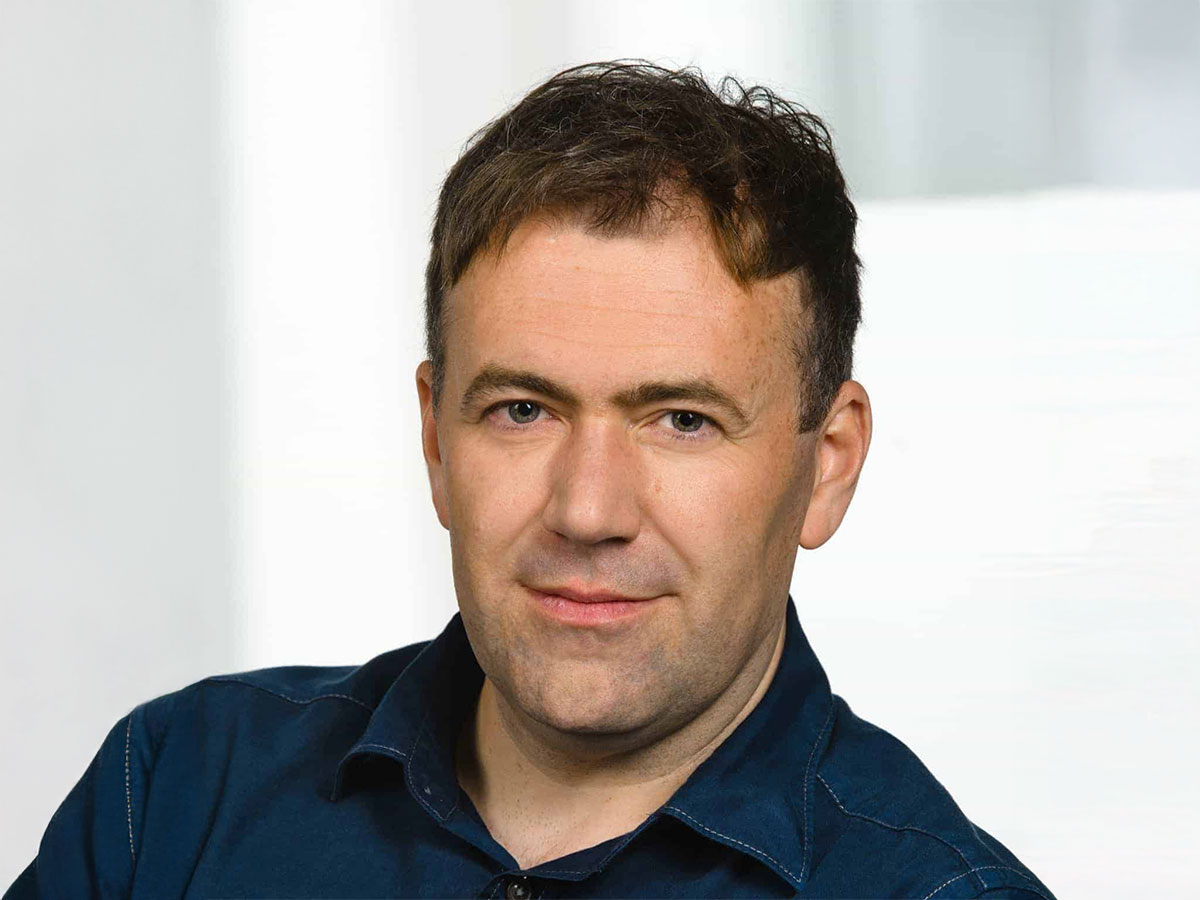
Alwin Köhler
Scientific director and professor of mechanistic cell biology
Organization
Max Perutz Labs Vienna
About Alwin Köhler
Alwin Köhler is scientific director of the Max Perutz Labs Vienna and professor of mechanistic cell biology. He led the Tardinomis–Decrypting Cryptobiosis in Tardigrades project.
Born in Transylvania, Romania, he studied medicine and music in Würzburg, Germany, and performed his doctoral work at Harvard Medical School, where he was trained in biochemistry. Following a pediatric residency and postdoctoral work in Heidelberg, Köhler became a junior group leader at the Max Perutz Labs in Vienna in 2010 and in 2018 was appointed professor of mechanistic cell biology. He received the 2003 Young Investigator Award of the Medical Faculty at Heidelberg University, an ERC Starting Grant in 2011, the START Award of the Austrian Science Fund in 2011 and an ERC Consolidator Grant in 2017. He is a member of the Austrian Academy of Sciences (Young Academy).
Köhler’s research focuses on the nuclear envelope, a signature element of all eukaryotes. It separates nucleoplasm from cytoplasm and serves as the protective vessel for the genome. The nuclear envelope combines disparate features: durability with plasticity, selective traffic with mass transport, spatial enclosure with sophisticated signaling. In doing so, it enables cells to protect, decode and regulate their genome. How a single “intelligent boundary” can achieve this multitude of functions remains one of the biggest puzzles in biology. His NOMIS-supported research focused on tardigrades, microscopic animals with an outstanding robustness to all kinds of stresses including extreme heat, dehydration and radiation. Here, he sought to understand how nuclear envelope architecture and genome integrity are preserved under conditions that no human being could survive.
‘s projects
Tardinomis – Decrypting Cryptobiosis in Tardigrades
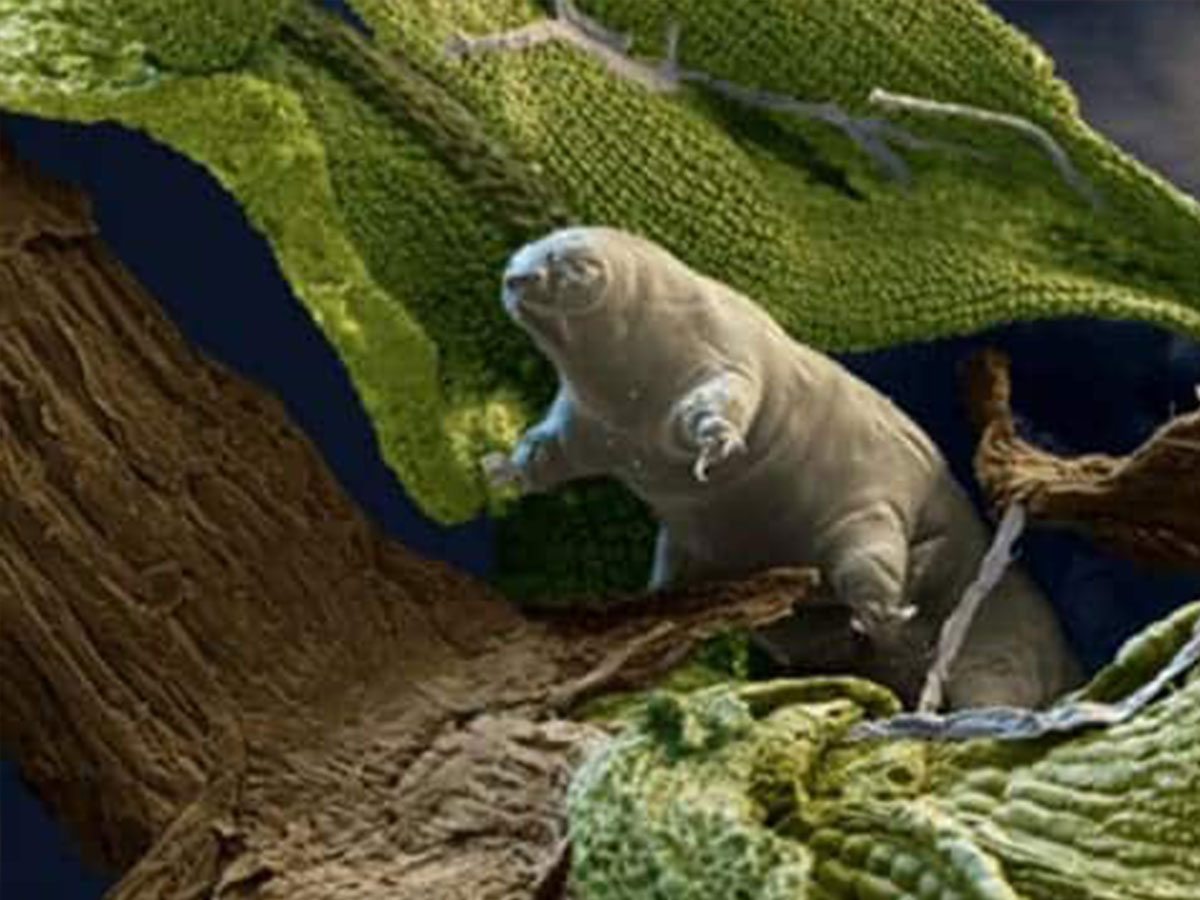
Tardigrades are extraordinary beings that have been sent to outer space and found to survive after returning to earth. Commonly known as water bears or moss piglets, these microscopic animals are capable of surviving environmental extremes—including freezing to -230 C, ionizing radiation and total dehydration—through cryptobiosis (“hidden life”). Cryptobiosis is the reversible physiological state of […]
NOMIS researcher
Project period
2017 – 2021
‘s publications
Docking a flexible basket onto the core of the nuclear pore complex
The nuclear basket attaches to the nucleoplasmic side of the nuclear pore complex (NPC), coupling transcription to mRNA quality control and export. The basket expands the functional repertoire of a subset of NPCs in Saccharomyces cerevisiae by drawing a unique RNA/protein interactome. Yet, how the basket docks onto the NPC core remains unknown. By integrating AlphaFold-based interaction screens, electron microscopy and membrane-templated reconstitution, we uncovered a membrane-anchored tripartite junction between basket and NPC core. The basket subunit Nup60 harbours three adjacent short linear motifs, which connect Mlp1, a parallel homodimer consisting of coiled-coil segments interrupted by flexible hinges, and the Nup85 subunit of the Y-complex. We reconstituted the Y-complex•Nup60•Mlp1 assembly on a synthetic membrane and validated the protein interfaces in vivo. Here we explain how a short linear motif-based protein junction can substantially reshape NPC structure and function, advancing our understanding of compositional and conformational NPC heterogeneity.
Research Fields
Biochemistry & Molecular Biology, Biology
The interplay of nuclear pores and lipids
Nuclear pore complexes (NPCs) mediate the bidirectional transport of cargo across the nuclear envelope (NE). NPCs are also membrane remodeling machines with a capacity to curve and fuse the membranes of the NE. However, little is known about the interplay of NPCs and lipids at a mechanistic level. A full understanding of NPC structure and function needs to encompass how the NPC shapes membranes and is itself shaped by lipids. Here we attempt to connect recent findings in NPC research with the broader field of membrane biochemistry to illustrate how an interplay between NPCs and lipids may facilitate the conformational plasticity of NPCs and the generation of a unique pore membrane topology. We highlight the need to better understand the NPC’s lipid environment and outline experimental avenues towards that goal. © 2023 The Authors
Research Fields
Health Sciences
Lipid saturation controls nuclear envelope function
The nuclear envelope (NE) is a spherical double membrane with elastic properties. How NE shape and elasticity are regulated by lipid chemistry is unknown. Here we discover lipid acyl chain unsaturation as essential for NE and nuclear pore complex (NPC) architecture and function. Increased lipid saturation rigidifies the NE and the endoplasmic reticulum into planar, polygonal membranes, which are fracture prone. These membranes exhibit a micron-scale segregation of lipids into ordered and disordered phases, excluding NPCs from the ordered phase. Balanced lipid saturation is required for NPC integrity, pore membrane curvature and nucleocytoplasmic transport. Oxygen deprivation amplifies the impact of saturated lipids, causing NE rigidification and rupture. Conversely, lipid droplets buffer saturated lipids to preserve NE architecture. Our study uncovers a fundamental link between lipid acyl chain structure and the integrity of the cell nucleus with implications for nuclear membrane malfunction in ischaemic tissues. © 2023, The Author(s).
Research Fields
Natural Sciences
‘s news
June 17, 2025
Alwin Köhler awarded ERC Advanced Grant
NOMIS researcher Alwin Köhler has been awarded a European Research Council (ERC) Advanced Grant to investigate how nuclear pore complexes remodel nuclear membranes to form functional channels. Alwin Köhler, group leader and scientific director at the Max Perutz Labs, has been awarded an ERC Advanced Grant to investigate how nuclear pore complexes (NPCs) remodel nuclear […]

August 13, 2024
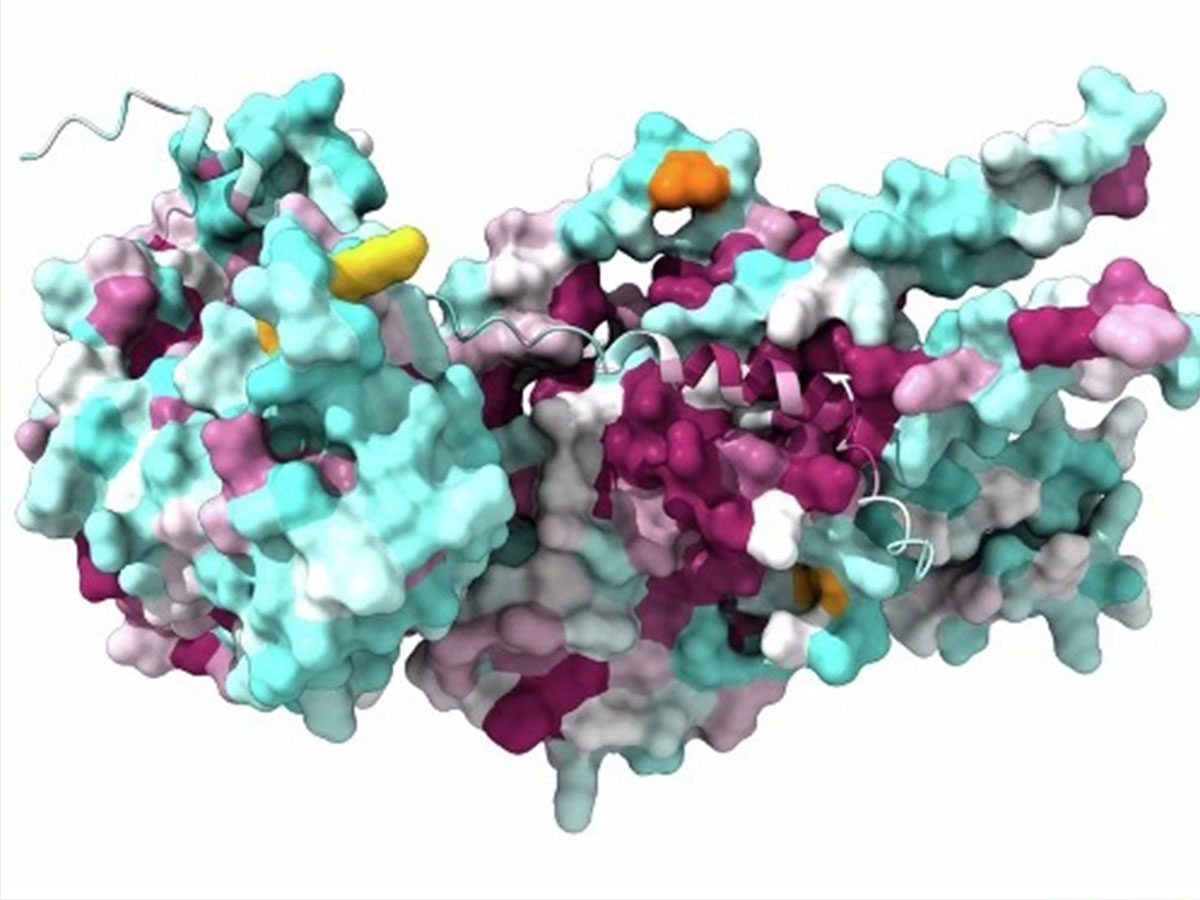
How the nuclear pore basket anchors to the nuclear pore complex
The nuclear pore basket is a filamentous structure attached to the nucleoplasmic side of the nuclear pore complex (NPC), crucial for regulating transport between the nucleus and cytoplasm. In a paper published in Nature Cell Biology, Edvinas Stankunas and NOMIS researcher Alwin Köhler from the Max Perutz Labs revealed the structural basis of the basket filaments […]

August 18, 2023
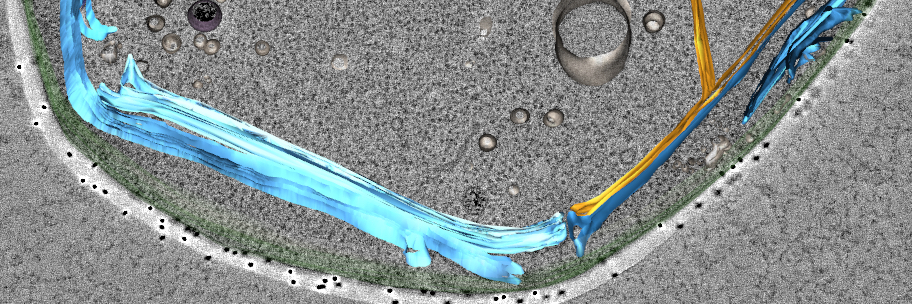
Lipid chemistry empowers nuclear shape
NOMIS researcher Alwin Köhler and colleague Anete Romanauska have successfully transformed cell nuclei, which are typically round, into cell nuclei with edges. This spectacular shape change was accomplished by genetic engineering and observed by advanced imaging. In doing so, the researchers discovered that lipid chemistry dictates both elasticity and robustness of the cell nucleus, making […]
