
Social Movements and Knowledge Production, 1960s–1990s
The Question
How can science help address today’s political, social and environmental crises? And are our existing scientific institutions capable of doing so — or have they become part of the problem? These questions feel urgent in the present, yet their roots lie in the transformative decades between the 1960s and 1990s, a time when the relationship between science, politics and society shifted profoundly. During this period, environmentalists, feminists, queer activists, peace movements, postcolonial and Third World solidarity groups began to challenge the authority of established science by demanding knowledge “closer to the people.” In German-speaking Europe, the “counter-knowledge” movement (Gegenwissen) created new forms of expertise and new ways of producing and circulating knowledge, often outside universities and government institutions.
What caused this counter‑knowledge culture to emerge? How did it reshape visions of democratic participation, trust in science, and the political meaning of expertise? And how did its energy and ideas travel into the 1990s, a decade marked by commercialization, neoliberal reforms, and the rise of new forms of populism?
The Approach
To answer these questions, the project Science for the People: Social Movements and Knowledge Production, 1960s–1990s, develops a new research framework: a political history of knowledge that traces how knowledge is produced, circulated and transformed “from below.” Drawing on the exceptionally rich archives of social movements — over 100 such collections in Germany alone — it reconstructs the media practices, research formats and epistemic cultures that emerged within activist circles. In doing so, this research offers a fresh understanding of how democratic participation, scientific authority and political activism became intertwined — and how this history can inform today’s debates about expertise, trust and public engagement with science.
The Science for the People project is being led by Nils Güttler at the University of Vienna, Austria.
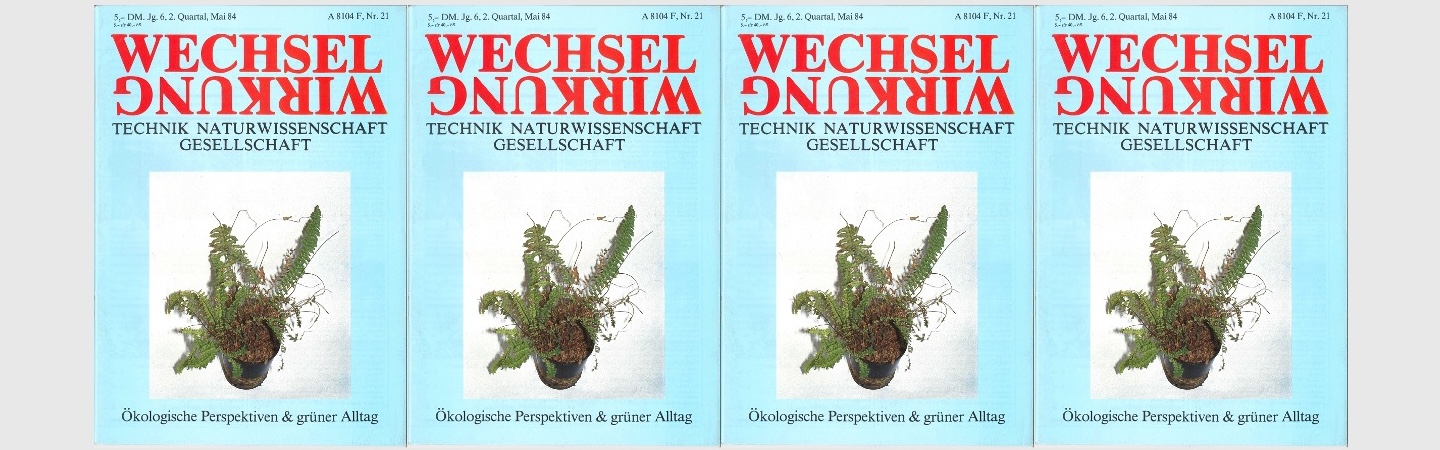
Feature image: The magazine Wechselwirkung was an important forum for the exchange of “alternative” knowledge in German-speaking social movements in the 1980s. (Scan: ETH Zurich Library)
NOMIS researchers
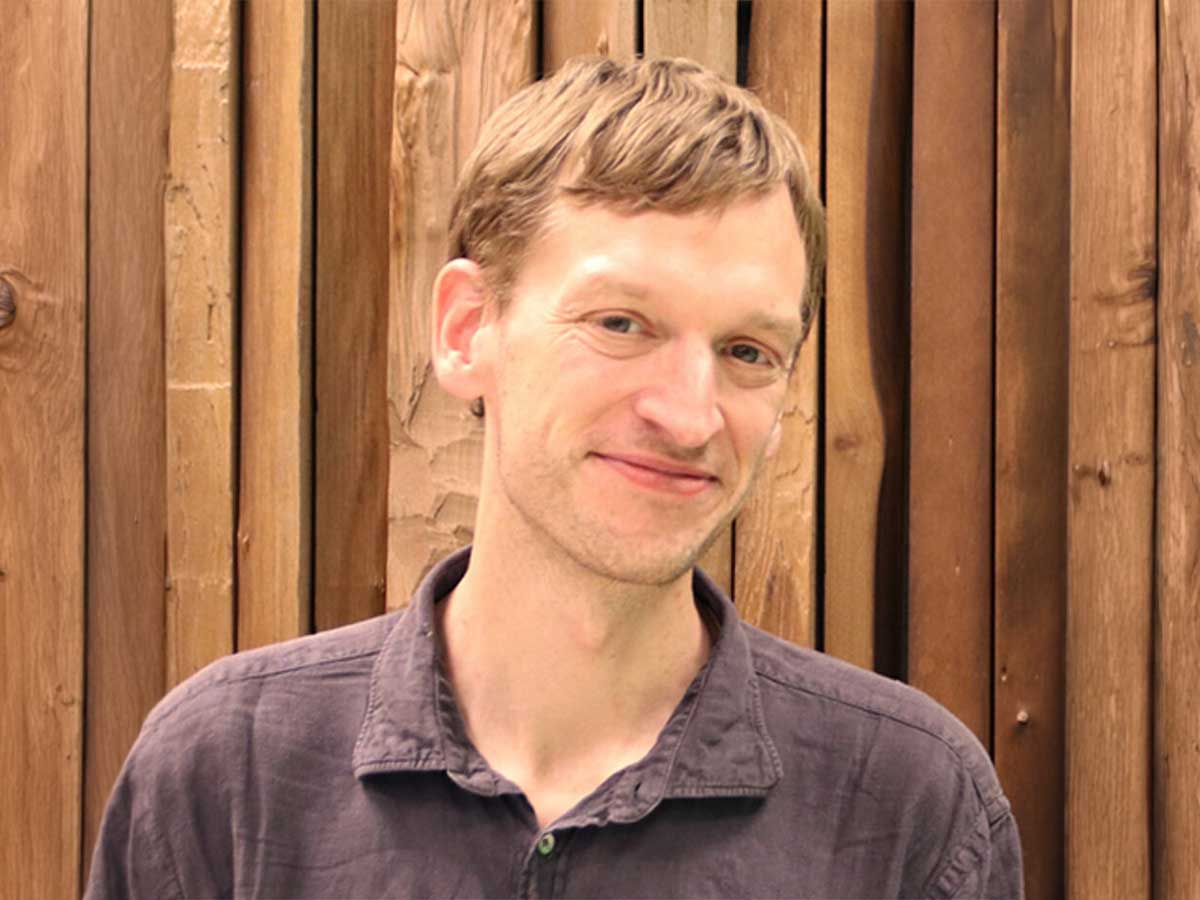
Born in Germany, Güttler received an MA in modern and contemporary history from Humboldt-Universität zu Berlin, Germany, in 2005. He earned his doctorate in 2012/14 from Humboldt-Universität in cooperation with the Max Planck Institute for the History of Science. Güttler received his habilitation from ETH Zurich, Switzerland in 2022. He has held appointments at the University of Erfurt’s Gotha Research Centre (2012–2013) and fellowships at the Huntington Library (2012) and Harvard University (2014 Marie Curie Fellow). He served as a senior postdoctoral researcher in science studies at ETH Zurich, Switzerland, (2014–2022) and a research fellow at the IFK Vienna (2019/20). Güttler has been an assistant professor of the history of science at the University of Vienna since 2022.
Assistant professor
University of Vienna
