
Determining Biological Age in Humans


Researchers at the Salk Institute have taken on the challenge of developing a scientific method that shows to what extent molecular events determine the rate of aging in humans, which differs significantly from individual to individual. This explains why a person’s chronological age is not the most useful predictor of health. Recent analyses based on morphological and physiological data have shown that “true” biological age can vary greatly between people of the same chronological age. However, none of these measurements explain why individuals age at a varied pace, nor do they provide insights into the underlying causes of aging.
The Determining Biological Age in Humans project aimed to develop an innovative scientific method that would determine biological age based on molecular and cellular criteria, and which would allow the study of the aging process in living cells in adults across different age groups. Such information could be used to devise personalized strategies (e.g., preventive interventions or changes in diet or exercise) to optimize organ performance in adults and to minimize age-related physiological decline.
The Determining Biological Age in Humans project was led by Martin Hetzer at the Salk Institute.
NOMIS researchers

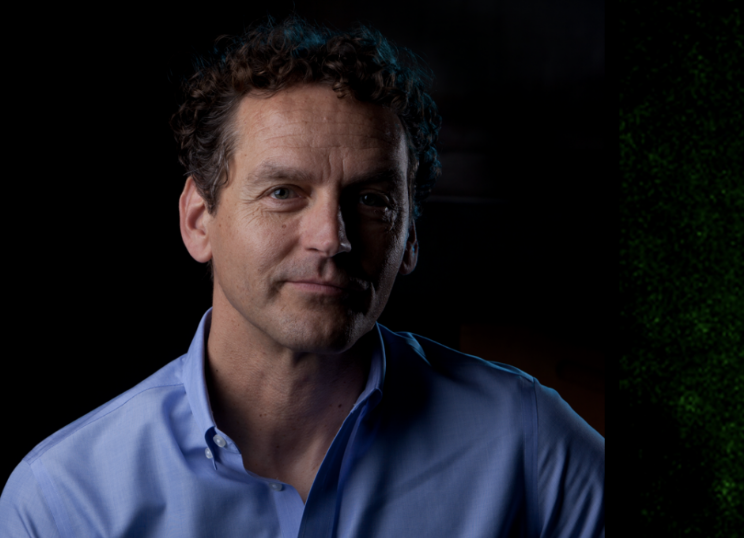
About Martin W. Hetzer Martin W. Hetzer is a NOMIS board member and the president and CEO of the Institute of Science and Technology Austria (ISTA). He led the Determining Biological Age in Humans project. Hetzer received his PhD in biochemistry and genetics from the University of Vienna (Austria), and completed postdoctoral work at the […]
Member of the NOMIS Foundation Board of Directors
Institute of Science and Technology Austria (ISTA)
NOMIS Foundation
Project publications

Lifelong persistence of nuclear RNAs in the mouse brain
Genomic DNA that resides in the nuclei of mammalian neurons can be as old as the organism itself. The life span of nuclear RNAs, which are critical for proper chromatin architecture and transcription regulation, has not been determined in adult tissues. In this work, we identified and characterized nuclear RNAs that do not turn over for at least 2 years in a subset of postnatally born cells in the mouse brain. These long-lived RNAs were stably retained in nuclei in a neural cell type–specific manner and were required for the maintenance of heterochromatin. Thus, the life span of neural cells may depend on both the molecular longevity of DNA for the storage of genetic information and also the extreme stability of RNA for the functional organization of chromatin.
Research Fields
Biology, Genetics & Heredity

Caspase-mediated nuclear pore complex trimming in cell differentiation and endoplasmic reticulum stress
During apoptosis, caspases degrade 8 out of ~30 nucleoporins to irreversibly demolish the nuclear pore complex. However, for poorly understood reasons, caspases are also activated during cell differentiation. Here, we show that sublethal activation of caspases during myogenesis results in the transient proteolysis of four peripheral Nups and one transmembrane Nup. ‘Trimmed’ NPCs become nuclear export-defective, and we identified in an unbiased manner several classes of cytoplasmic, plasma membrane, and mitochondrial proteins that rapidly accumulate in the nucleus. NPC trimming by non-apoptotic caspases was also observed in neurogenesis and endoplasmic reticulum stress. Our results suggest that caspases can reversibly modulate nuclear transport activity, which allows them to function as agents of cell differentiation and adaptation at sublethal levels. © 2023, eLife Sciences Publications Ltd. All rights reserved.
Research Fields
Health Sciences

Disulfide bond in SUN2 regulates dynamic remodeling of LINC complexes at the nuclear envelope
The LINC complex tethers the cell nucleus to the cytoskeleton to regulate mechanical forces during cell migration, differentiation, and various diseases. The function of LINC complexes relies on the interaction between highly conserved SUN and KASH proteins that form higher-order assemblies capable of load bearing. These structural details have emerged from in vitro assembled LINC complexes; however, the principles of in vivo assembly remain obscure. Here, we report a conformation-specific SUN2 antibody as a tool to visualize LINC complex dynamics in situ. Using imaging, biochemical, and cellular methods, we find that conserved cysteines in SUN2 undergo KASH-dependent inter- and intramolecular disulfide bond rearrangements. Disruption of the SUN2 terminal disulfide bond compromises SUN2 localization, turnover, LINC complex assembly in addition to cytoskeletal organization and cell migration. Moreover, using pharmacological and genetic perturbations, we identify components of the ER lumen as SUN2 cysteines redox state regulators. Overall, we provide evidence for SUN2 disulfide bond rearrangement as a physiologically relevant structural modification that regulates LINC complex functions. © 2023 Sharma and Hetzer.
Research Fields
Biomedical Research, Developmental Biology, Health Sciences
Project news
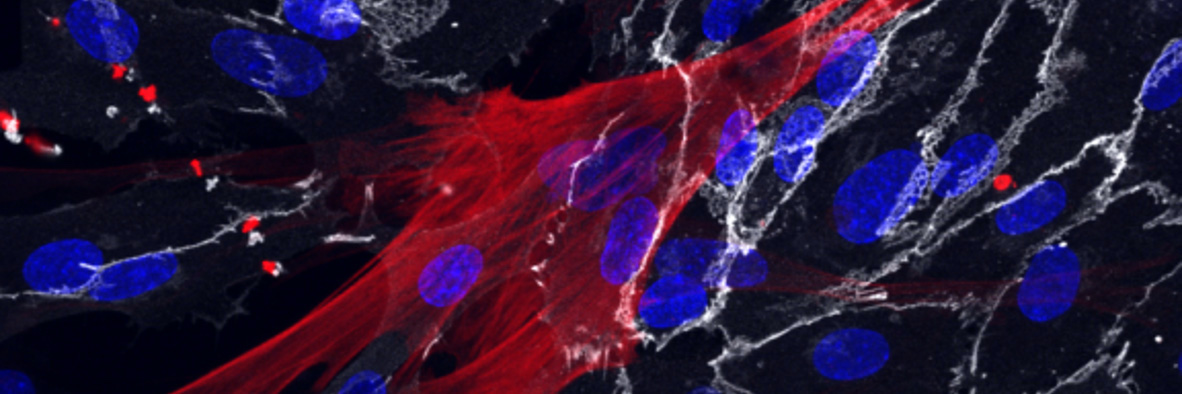

September 20, 2020
Martin Hetzer: Method to derive blood vessel cells from skin cells suggests ways to slow aging
NOMIS scientist and board member Martin Hetzer and his colleagues at the Salk Institute for Biological Studies have discovered the ways cells from the human circulatory system change with age and age-related diseases. LA JOLLA—Salk scientists have used skin cells called fibroblasts from young and old patients to successfully create blood vessels cells that retain […]

June 5, 2020
Martin Hetzer publishes study detailing how cells remember their identity after cell division
NOMIS researcher Martin Hetzer, who is also a NOMIS board member, has published a study detailing how cells remember their identity. How Cells Solve Their Identity Crisis Salk scientists uncover how cells remember their identity, avoiding errors that could cause cancer LA JOLLA—Cancer is often the result of DNA mutations or problems with how cells […]
NOMIS scientist Martin Hetzer and other Salk Institute researchers have devised a way to manipulate numbers of individual nuclear pores — a breakthrough that may one day stop cancerous cells from proliferating out of control. The finding was published in an article in the journal Genes & Development. Nuclear pores are essential elements of all […]
