
Mechanisms of Gene Silencing and Liquid-Liquid De-mixing in the Nervous System
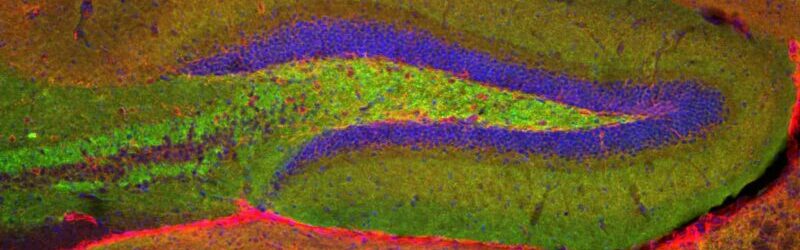

As the world’s population ages, the burden of neurodegenerative diseases on patients, families and society continues to escalate. Fortunately, breakthrough discoveries have identified the genetic causes underlying major human nervous system diseases and have transformed how we view these previously intractable disorders. A new era of molecular discovery is uncovering the mechanisms that go wrong in these conditions.
Our project, Mechanisms of Gene Silencing and Liquid-Liquid De-mixing in the Nervous System, is building on human genetic insights to develop gene-silencing and editing approaches that could combat, or correct, the genetic errors that provoke disease.
Over the years, my team has shown that these are not diseases of individual neurons, but rather conditions that encompass the whole system of brain and spinal cord cells, including neurons and their glial partners. This is true in the fatal, adult motor neuron disease amyotrophic lateral sclerosis (ALS), the paralytic condition that is responsible for approximately one in 1,500 deaths worldwide.
In inherited ALS, a mutant gene encodes a toxic product inside motor neurons and three glial cell types, driving the disease’s initiation and rapid progression. This is a common story. Mutant proteins can accumulate, or normal proteins can reach abnormal levels, in Alzheimer’s, Parkinson’s and Huntington’s diseases. One protein in particular, TDP-43, has been implicated broadly for its toxicity in ALS. To counteract this mechanism, my research group is developing ways to silence or correct disease-causing mutations throughout the nervous system and identify the mechanisms behind TDP-43 toxicity.
NOMIS researchers
About Don W. Cleveland Don W. Cleveland is a 2018 NOMIS Awardee and has been professor and department chair of Cellular and Molecular Medicine at the University of California San Diego (UC San Diego) since 2008. Cleveland grew up in Las Cruces, NM, US. He earned a BS in physics from New Mexico State University, […]
Professor and department chair of Cellular and Molecular Medicine
UC San Diego – School of Medicine
Project publications

Stathmin-2 loss leads to neurofilament-dependent axonal collapse driving motor and sensory denervation
The mRNA transcript of the human STMN2 gene, encoding for stathmin-2 protein (also called SCG10), is profoundly impacted by TAR DNA-binding protein 43 (TDP-43) loss of function. The latter is a hallmark of several neurodegenerative diseases, including amyotrophic lateral sclerosis (ALS). Using a combination of approaches, including transient antisense oligonucleotide-mediated suppression, sustained shRNA-induced depletion in aging mice, and germline deletion, we show that stathmin-2 has an important role in the establishment and maintenance of neurofilament-dependent axoplasmic organization that is critical for preserving the caliber and conduction velocity of myelinated large-diameter axons. Persistent stathmin-2 loss in adult mice results in pathologies found in ALS, including reduced interneurofilament spacing, axonal caliber collapse that drives tearing within outer myelin layers, diminished conduction velocity, progressive motor and sensory deficits, and muscle denervation. These findings reinforce restoration of stathmin-2 as an attractive therapeutic approach for ALS and other TDP-43-dependent neurodegenerative diseases. © 2023, The Author(s), under exclusive licence to Springer Nature America, Inc.
Research Fields
Health Sciences

The SARS-CoV-2 nucleocapsid phosphoprotein forms mutually exclusive condensates with RNA and the membrane-associated M protein
The multifunctional nucleocapsid (N) protein in SARS-CoV-2 binds the ~30 kb viral RNA genome to aid its packaging into the 80–90 nm membrane-enveloped virion. The N protein is composed of N-terminal RNA-binding and C-terminal dimerization domains that are flanked by three intrinsically disordered regions. Here we demonstrate that the N protein’s central disordered domain drives phase separation with RNA, and that phosphorylation of an adjacent serine/arginine rich region modulates the physical properties of the resulting condensates. In cells, N forms condensates that recruit the stress granule protein G3BP1, highlighting a potential role for N in G3BP1 sequestration and stress granule inhibition. The SARS-CoV-2 membrane (M) protein independently induces N protein phase separation, and three-component mixtures of N + M + RNA form condensates with mutually exclusive compartments containing N + M or N + RNA, including annular structures in which the M protein coats the outside of an N + RNA condensate. These findings support a model in which phase separation of the SARS-CoV-2 N protein contributes both to suppression of the G3BP1-dependent host immune response and to packaging genomic RNA during virion assembly.
Research Fields
Biomedical Research, Health Sciences, Virology

Heat-shock chaperone HSPB1 regulates cytoplasmic TDP-43 phase separation and liquid-to-gel transition
While acetylated, RNA-binding-deficient TDP-43 reversibly phase separates within nuclei into complex droplets (anisosomes) comprised of TDP-43-containing liquid outer shells and liquid centres of HSP70-family chaperones, cytoplasmic aggregates of TDP-43 are hallmarks of multiple neurodegenerative diseases, including amyotrophic lateral sclerosis (ALS). Here we show that transient oxidative stress, proteasome inhibition or inhibition of the ATP-dependent chaperone activity of HSP70 provokes reversible cytoplasmic TDP-43 de-mixing and transition from liquid to gel/solid, independently of RNA binding or stress granules. Isotope labelling mass spectrometry was used to identify that phase-separated cytoplasmic TDP-43 is bound by the small heat-shock protein HSPB1. Binding is direct, mediated through TDP-43’s RNA binding and low-complexity domains. HSPB1 partitions into TDP-43 droplets, inhibits TDP-43 assembly into fibrils, and is essential for disassembly of stress-induced TDP-43 droplets. A decrease in HSPB1 promotes cytoplasmic TDP-43 de-mixing and mislocalization. HSPB1 depletion was identified in spinal motor neurons of patients with ALS containing aggregated TDP-43. These findings identify HSPB1 to be a regulator of cytoplasmic TDP-43 phase separation and aggregation.
Research Fields
Biomedical Research, Developmental Biology, Health Sciences
Project news


April 8, 2021
RNA binding protein TDP-43 forms intranuclear or cytoplasmic aggregates in age-related neurodegenerative diseases
NOMIS Awardee Don Cleveland and colleagues have identified how phase separation of the RNA-binding protein TDP-43 can be regulated through RNA binding, disease-causing mutation, posttranslational modification, or chaperone activity inside cells. The RNA binding protein TDP-43 forms intranuclear or cytoplasmic aggregates in age-related neurodegenerative diseases. In this NOMIS-supported study, Cleveland and colleagues found that RNA binding-deficient […]

June 25, 2020
Don W. Cleveland: One-time treatment generates new neurons, eliminates Parkinson’s disease in mice
In a major breakthrough, NOMIS Awardee Don W. Cleveland and colleagues have identified a potentially powerful and chemically feasible approach to treating Parkinson’s disease by replacing lost neurons. Their findings were published in Nature. One-time treatment generates new neurons, eliminates Parkinson’s disease in mice Inhibiting a single gene converts many cell types directly into dopamine-producing […]
November 19, 2018
Tages Anzeiger features Don W. Cleveland's work in article "The tamer of severe brain disorders"
The groundbreaking research of NOMIS Distinguished Scientist Awardee Don W. Cleveland is the subject of Swiss newspaper the Tages Anzeiger’s article “Der Bändiger von schweren Hirnleiden” (“The tamer of severe brain disorders”). Cleveland developed gene-silencing therapies, called designer DNA drugs, which he demonstrated can significantly slow the progression of ALS (amyotrophic lateral sclerosis) in mice. The […]
