
NOMIS Research Projects
From investigating the biological roots of human behavior to exploring the societal impacts of emerging technologies, NOMIS research projects are unconventional inquiries that transcend disciplinary boundaries. They are led by established scientists who embrace the inherent risks of exploring the unknown, applying radically different approaches to pursue projects with no guaranteed outcomes — those often overlooked by traditional funding. We support this pursuit of knowledge by giving our grantees the freedom to follow their curiosity, uncovering the foundational insights that drive global progress.

NOMIS research projects
How Social Status Becomes Biology
Human activities are causing an alarming decline in biodiversity, threatening the vital natural resources such as fertile soil, clean water and climate stability we depend on. While scientists have a strong understanding of how nature operates at local and planetary levels, we lack a general theory for how ecological changes at the mesoscale — the regional networks that connect the two — add up to impact the stability of the biosphere as a whole. How do ecosystems connected across landscapes, seascapes and regions collectively buffer — or amplify — environmental change? Understanding this is essential to preserving the natural systems that support all life.
NOMIS researchers
Project period
2026 – 2029
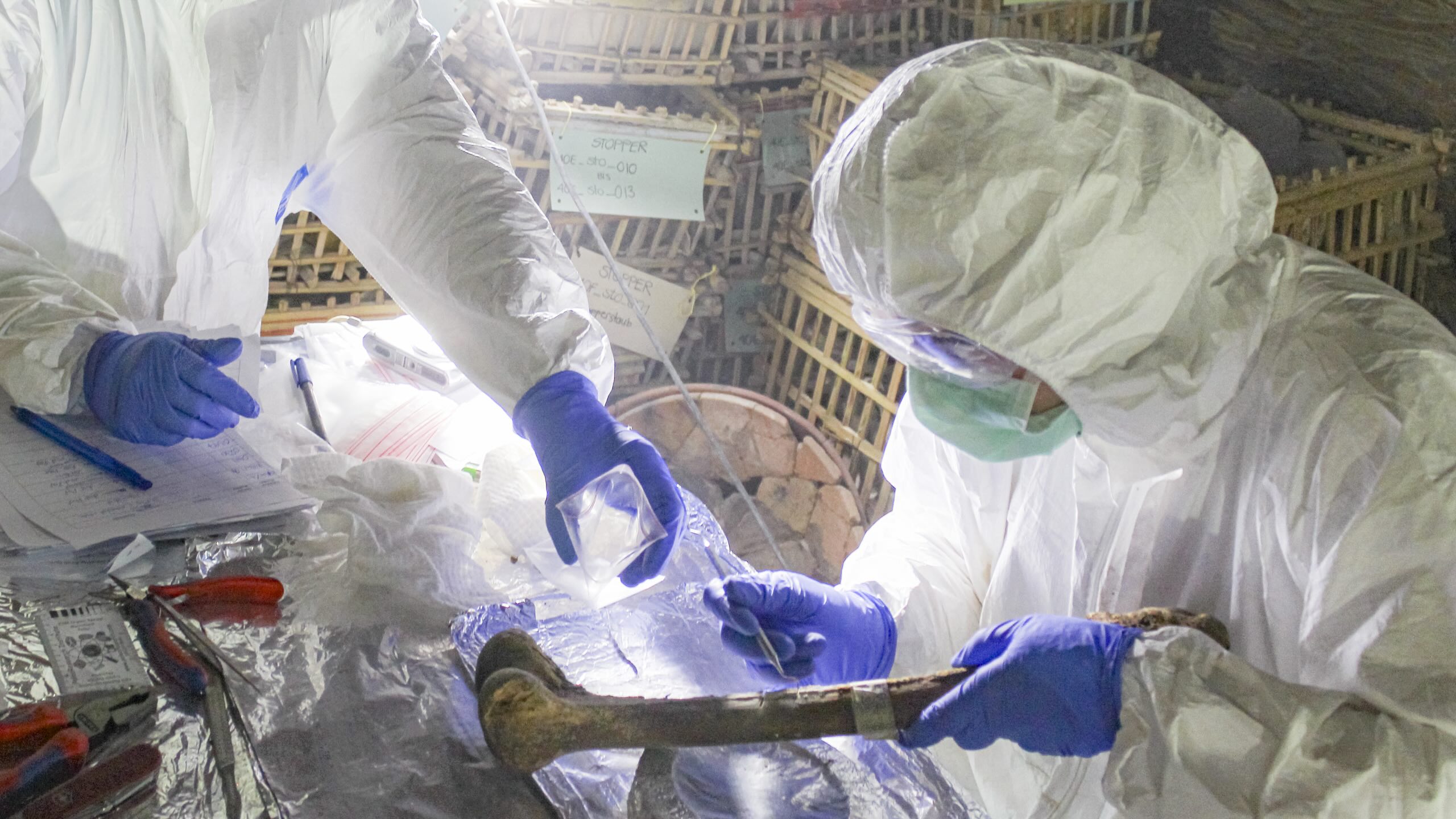
Psychological Foundations of Social Preferences and Fairness Concerns
People routinely judge outcomes not only by what they receive, but also by whether they consider those outcomes to be fair. These fairness concerns shape behavior in countless situations, from wage negotiations and workplace cooperation to charitable giving, political support for redistribution and environmental protection. Despite decades of research, two fundamental questions remain unanswered: Why do people differ so widely in their concern for fairness and the well-being of others? And what standards do they use to judge whether an outcome is fair?
NOMIS researcher
Project period
2026 – 2028

Deciphering Dynamic Systems in Childhood
Childhood is one of the most dynamic phases of human life: a period of rapid growth and development that sets the trajectory for lifelong health. When serious illnesses such as sepsis, rare metabolic disorders or childhood cancers strike early in life, they disrupt these dynamics. Yet in current practice, diseases are primarily described with static snapshots: blood tests, scans, or labels captured at certain time points used in historic taxonomies of disease. This frames disease as a fixed deviation from health, rather than a shifting imbalance. The Deciphering Dynamic Systems in Childhood project investigates childhood disease as a dynamic process from a molecular perspective.
NOMIS researchers
Project period
2026 – 2029

Trustworthy AI Voting Assistants and Supported Democracy
The Question Democracy depends on citizens being able to make informed choices. In direct democracies such as Switzerland, citizens regularly vote on complex and consequential issues, from climate policy and digital regulation to public finance and social insurance. As these decisions become more technical and information-intensive, many voters face a growing burden: They must understand […]
NOMIS researcher
Project period
2026 – 2031

A Mesoscale Theory of the Biosphere
Human activities are causing an alarming decline in biodiversity, threatening the vital natural resources such as fertile soil, clean water and climate stability we depend on. While scientists have a strong understanding of how nature operates at local and planetary levels, we lack a general theory for how ecological changes at the mesoscale — the regional networks that connect the two — add up to impact the stability of the biosphere as a whole. How do ecosystems connected across landscapes, seascapes and regions collectively buffer — or amplify — environmental change? Understanding this is essential to preserving the natural systems that support all life.
NOMIS researcher
Project period
2026 – 2031

The Quest for Ultralow Dissipation
The question All physical systems gradually lose energy. A guitar string stops vibrating after being plucked, a swinging pendulum eventually comes to rest, and even light circulating inside a tiny glass structure slowly fades away. This universal process, known as dissipation, appears simple but raises a profound question: What ultimately determines how slowly energy can […]
NOMIS researcher
Project period
2026 – 2031
The question We live in a world of repeated crises, where economic shocks like stock-market crashes or unexpected layoffs are frequent occurrences. The impact of these shocks extends far beyond mere financial consequences. These deeply stressful experiences can cause lasting physical and mental harm, including accelerated aging and higher mortality. Furthermore, these ongoing biological stress […]
NOMIS researcher
Project period
2026 – 2031

Chemosignaling and Related Biology of Human Social Interactions
The Question The belief that humans have a poor sense of smell compared to other animals is false. Olfaction in humans serves important purposes. In addition to the assessment of the safety of the environment (e.g., the presence of toxins, fire or predators), olfaction is also used for social purposes, to identify romantic partners, offspring […]
NOMIS researcher
Project period
2026 – 2030

8 of 106 Projects
