
How Social Status Becomes Biology
The question
Today, wealth and social status are closely associated with health and life expectancy, but whether the same was true in ancient societies is much harder to establish. Tomb KV40 in Egypt’s Valley of the Kings, together with mummies from the Egyptian Museum in Cairo, offer an unusual opportunity to investigate an intriguing question: Did privilege in ancient Egypt translate into better health?
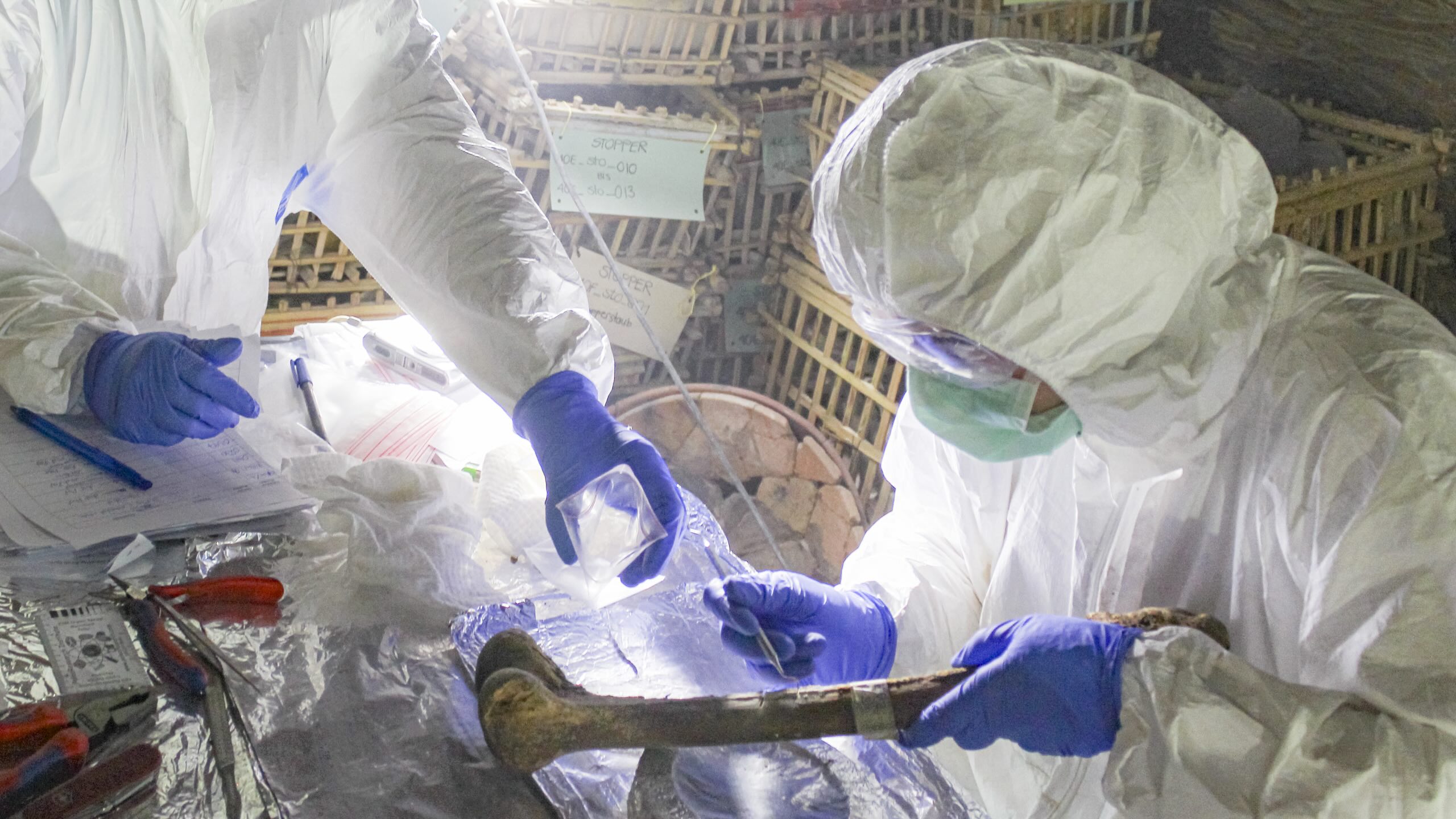
Excavated by a team from the University of Basel in Switzerland, KV40 contains the mummified remains of more than 80 adults and children buried in two periods roughly seven centuries apart. The project How Social Status Becomes Biology: Kinship, Health and Inequality in Ancient Egypt brings together researchers from Zurich, Basel and Egypt to investigate who these people were, how they were related, and what their bodies tell us about life within a privileged group.
Among the remains are several children in whom X-ray imaging revealed a severe form of dwarfism, including one who was around 40 cm shorter than expected for their age. These children were buried among royalty and their closest associates, which raises questions beyond their diagnosis: Were they related to one another or to others in the tomb? Did belonging to this privileged community protect them — and the other children buried there — from nutritional and physiological stress in early life?
The approach
To answer these questions, we need to look beyond KV40 to understand what childhood hardship looked like across the wider population of ancient Egypt. The How Social Status Becomes Biology project combines genetic evidence from KV40 with a new comparative picture of childhood health in ancient Egypt.
Genetic analysis will establish who was buried in KV40 and how they were related to one another. The team is merging evidence from maternal lineages — and where preservation permits, paternal lineages — with the archaeological, skeletal and radiological evidence already available from the tomb. Genome-wide analysis of approximately 20 particularly well-preserved individuals, including the children with dwarfism, will provide a closer view of ancestry and family relationships. Together, these findings will help to reveal whether KV40 was used by a closely related group or by a more diverse community.
In parallel, the researchers are examining between 50 and 80 mummies from the Egyptian Museum in Cairo for signs of childhood physiological stress preserved in teeth and bones. This work will establish the first systematic comparative health baseline for non-royal ancient Egyptians, enabling the team to test directly whether the advantages of social position extended to the body.
The research is being conducted with Egyptian partners and under Egyptian governance, and the comparative dataset will be archived in Cairo as a resource for future research. Beyond generating insights into ancient Egypt, the project will provide a model for investigating how social structures become biologically embodied across human history. The project is being led by Patrick Eppenberger and Frank Rühli at the University of Zurich in Switzerland.
NOMIS researchers
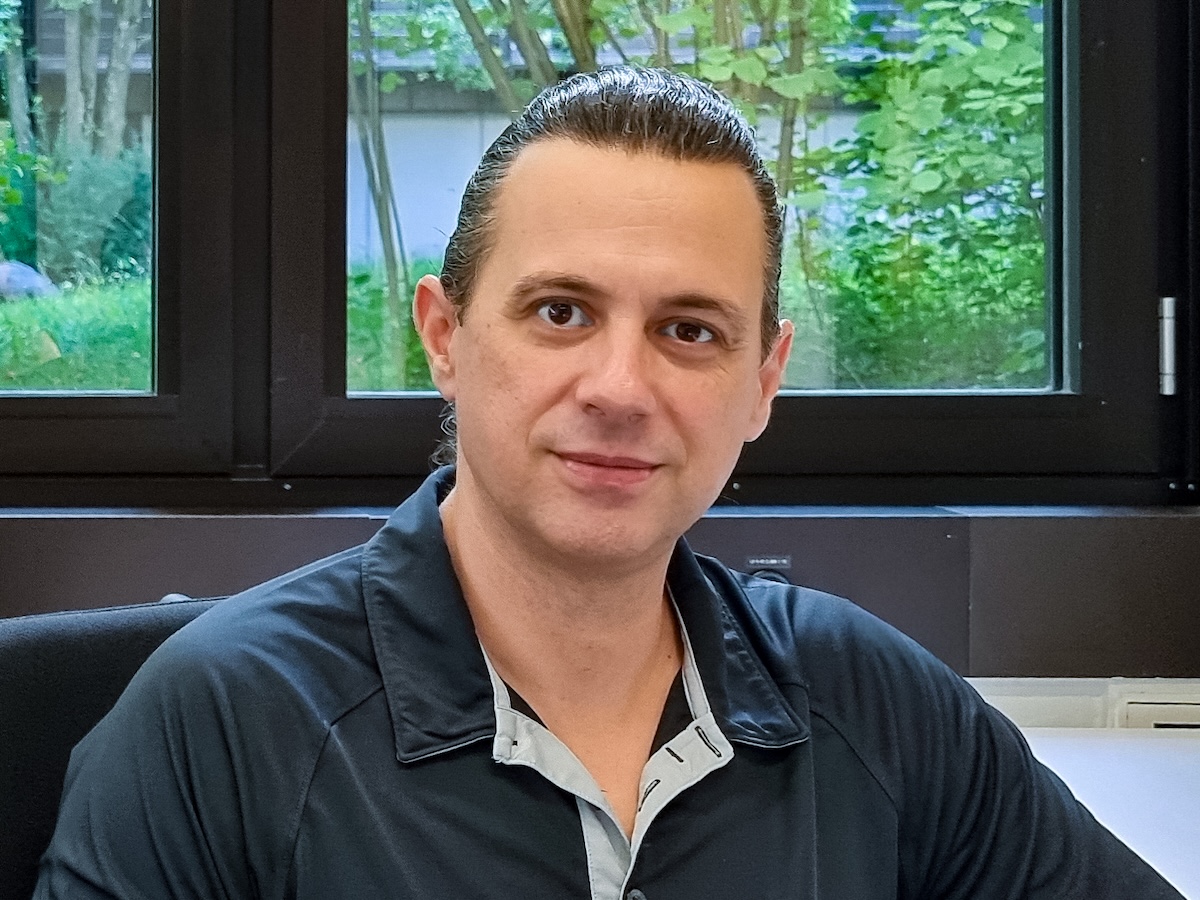
Patrick Eppenberger is co-head of the Evolutionary Pathophysiology and Mummy Studies group at the Institute of Evolutionary Medicine, University of Zurich (UZH), in Switzerland. He is co-leading the project How Social Status Becomes Biology: Kinship, Health and Inequality in Ancient Egypt.
Co-head of Evolutionary Pathophysiology and Mummy Studies
University of Zurich

Frank Rühli is dean of the Faculty of Medicine and director and chair of the Institute of Evolutionary Medicine at the University of Zurich (UZH) in Switzerland. He is also co-head of UZH’s Center for Crisis Competence and holds the Toh Chin Chye Visiting Professorship at the Yong Loo Lin School of Medicine at the National University of Singapore. He is co-leading the project How Social Status Becomes Biology: Kinship, Health and Inequality in Ancient Egypt.
Professor and dean, Faculty of Medicine
University of Zurich
