Bridging fields, sparking ideas: The 2026 NOMIS Insight lectures
Published on
October 19, 2026
Full professor of physics and electrical engineering
Professor and Liber Ero Chair in Biodiversity Conservation
Cora Jane Flood Professor of Finance and professor of economics
Organization
How do complex physical systems, living networks and human societies maintain stability in an unpredictable world? Answers to questions like these rarely reside within a single academic discipline; rather, they emerge at the intersection of fields. On Oct. 14, 2026, scientists, scholars and curious minds gathered in Zurich, Switzerland, for the 2026 NOMIS Insight lectures. Showcasing the pioneering research of the 2026 NOMIS Distinguished Scientist and Scholar Awardees, the event highlighted how curiosity and the convergence of disciplines spark transformative discoveries spanning the physical world, our planet and the human mind.
What determines how slowly energy can be lost in physical systems? How do interconnected ecosystems collectively buffer — or amplify — environmental change? What role can policymakers and employers play in reducing the harmful, lasting effects of traumatic economic experiences? These fundamental questions underlie the research of the 2026 NOMIS Awardees — Tobias Kippenberg, Andrew Gonzalez, and Ulrike Malmendier — and were the focus of their NOMIS Insight lectures.
Held annually alongside the NOMIS Distinguished Scientist and Scholar Award ceremony at the Kunsthaus Zurich, the Insight lectures transform foundational research into open dialogue. In this intimate setting, new awardees share their groundbreaking work that combines disparate disciplines to explore mysteries of nature, the mind and society. The lectures illustrate the vital role of basic research in deepening human understanding and opening new fields of inquiry.
The Quest for Ultralow Dissipation
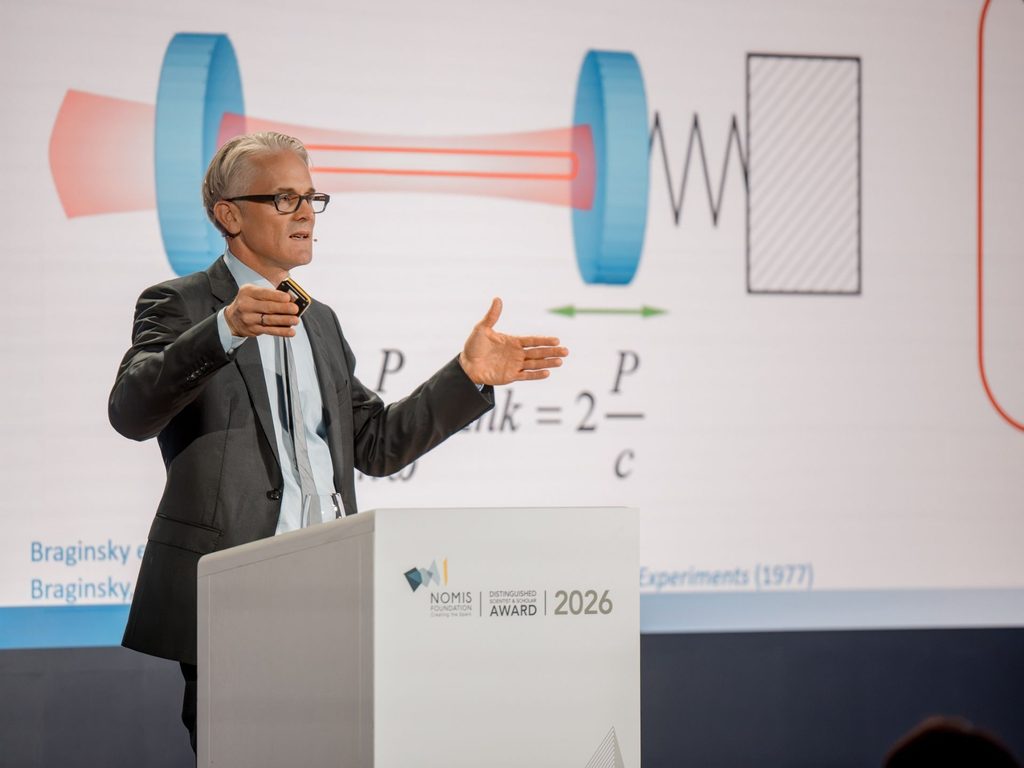
All physical systems inevitably lose energy: A plucked guitar string eventually falls silent, a swinging pendulum comes to rest, and even light trapped in a tiny glass structure slowly fades away. This process of dissipation appears simple but raises a profound question: What ultimately determines how slowly energy can be lost?
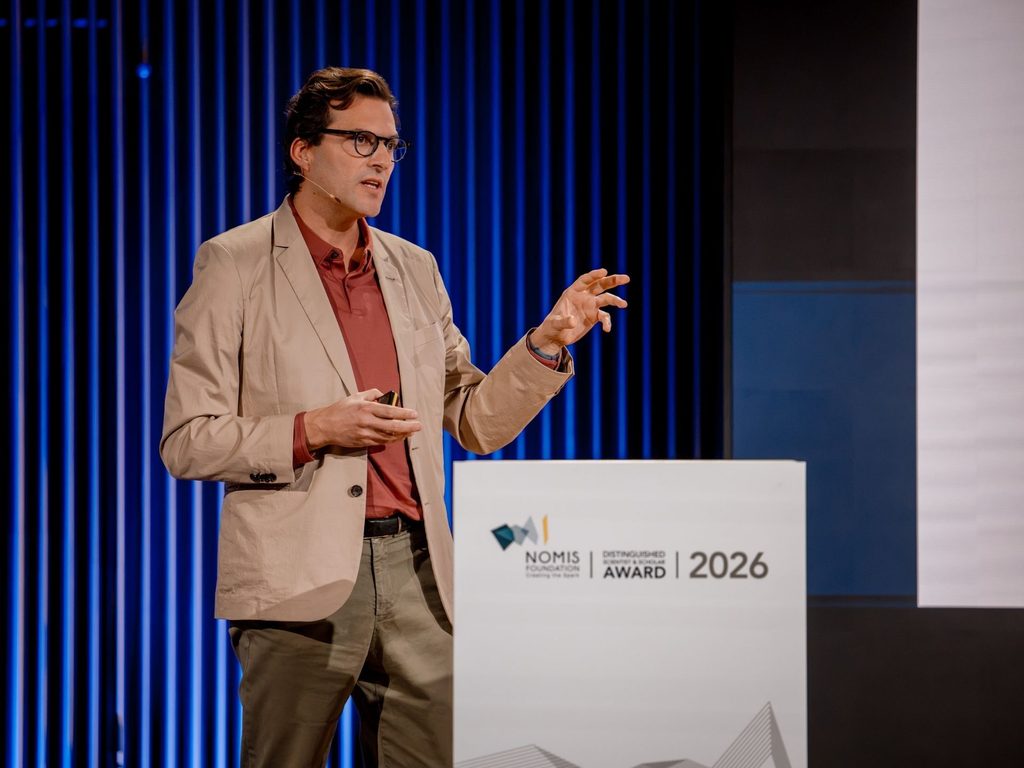
Combining optics, quantum physics, electrical engineering and micro-nanotechnology, Tobias Kippenberg is probing this universal law of nature. His project, The Quest for Ultralow Dissipation: From Self-Organized Light to Collective Quantum Drums, is exploring how light self-organizes into stable pulses inside microscopic glass resonators, enabling frequency combs at the heart of today’s most precise clocks. He and his team are also investigating how cooling and coupling tiny mechanical “drums” into the quantum regime can produce sensors of unprecedented sensitivity. His research examines how minimizing energy loss can paradoxically give rise to new forms of order and extend quantum behavior to macroscopic scales.
A Mesoscale Theory of the Biosphere
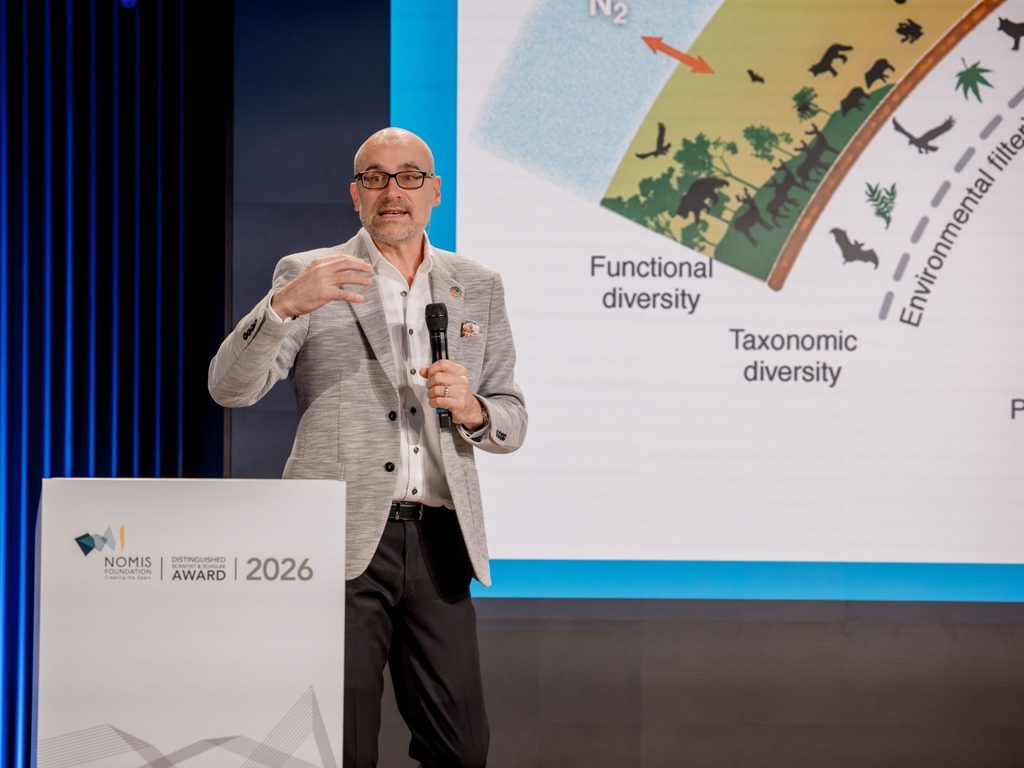
Human activities are causing an alarming decline in biodiversity, threatening the vital natural resources we depend on like fertile soil, clean water and climate stability. While scientists have a strong understanding of nature’s patterns and processes at local and planetary levels, we lack a general theory for how ecological changes at the mesoscale — the regional networks connecting the two levels — add up to impact the entire biosphere. How do interconnected ecosystems collectively buffer — or amplify — environmental change? Understanding this is essential to preserving the natural systems that support life.
Andrew Gonzalez’s project, A Mesoscale Theory of the Biosphere, views the biosphere as connected ecological regions linked by migration, climate and human activities. In this framework, biodiversity does not merely react to environmental pressures; it also actively stabilizes ecological functions. Much like the fallout from a financial market crash, system-wide disruptions risk system-wide ecological collapse. Gonzalez’s research seeks to reveal where the biosphere is resilient, where it is vulnerable, and how biodiversity maintains life-supporting systems.
Stress and Economics
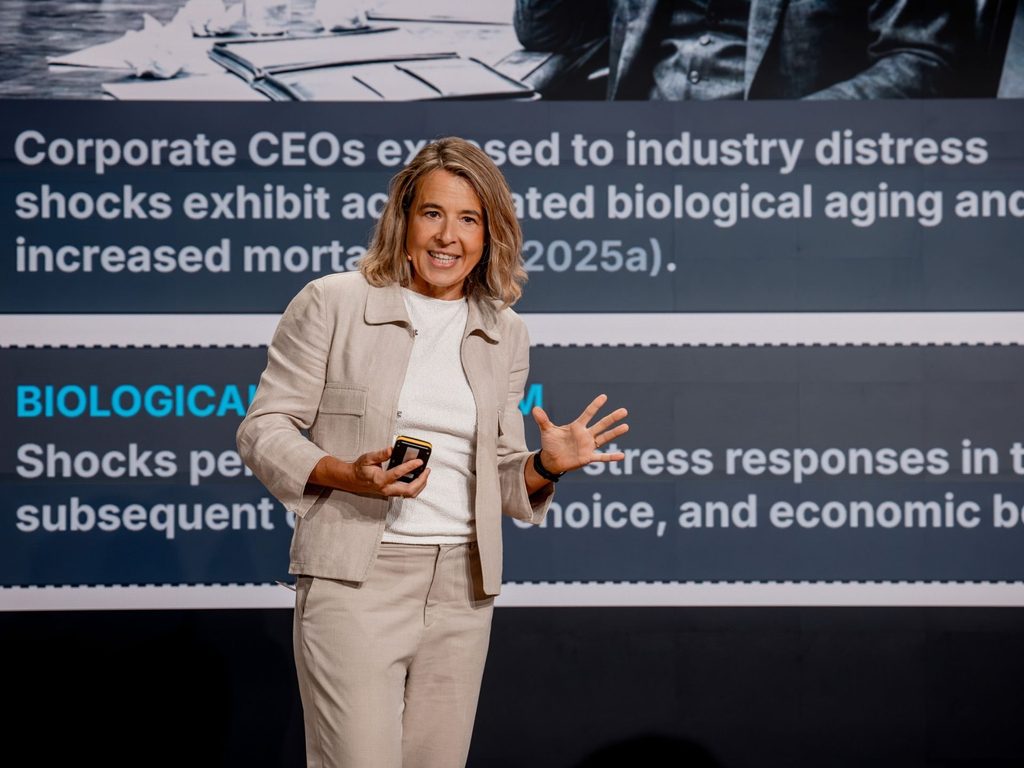
We live in a world of repeated crises, where economic shocks such as stock-market crashes or unexpected layoffs are frequent occurrences. The impact extends beyond financial consequences, causing lasting physical and mental harm, including accelerated aging and higher mortality. These biological stress responses alter major life decisions and lead to adverse economic outcomes, including poor job performance and less career advancement. While traditional economics focuses on measures such as wage stabilization and job creation, it overlooks the underlying biological and physiological factors.
Integrating economics with neurobiology, cognitive science, epidemiology and psychiatry, Ulrike Malmendier is examining the physiological and psychological trauma caused by economic crises. Her project, Stress and Economics — Exploring the Alleviating Role of Predictability and Controllability, is exploring how employers and policymakers can reduce the harmful effects of stress and economic disruption on the workforce during times of crisis. Focusing on predictability (knowing what to expect) and controllability (feeling a sense of agency), her research may prove vital as automation and AI reshape the workforce.
Connecting mind, body and society
2016 NOMIS Awardee Manos Tsakiris delivered the keynote address, “Mind the Body: From the Physical Self to the Social Life.” A leading authority on the neuroscience and psychology of bodily self-awareness, Tsakiris drew on research across psychology, neuroscience, the humanities and the social sciences to show how interoception — internal bodily signals — shape how we process political imagery, form empathy and participate in democratic life. Greater awareness of these bodily signals may help protect well-being without diminishing political engagement. The central challenge is not simply to feel more or less, but to develop more critical ways of feeling.
Tsakiris is a professor of psychology at Royal Holloway, University of London, where he leads the Lab of Action & Body. He is also the director of the interdisciplinary Centre for the Politics of Feelings at the School of Advanced Study.
“The body is at the same time physiological and psychological. How we live in our bodies is never just biology, and it’s never just culture.”
— Manos Tsakiris
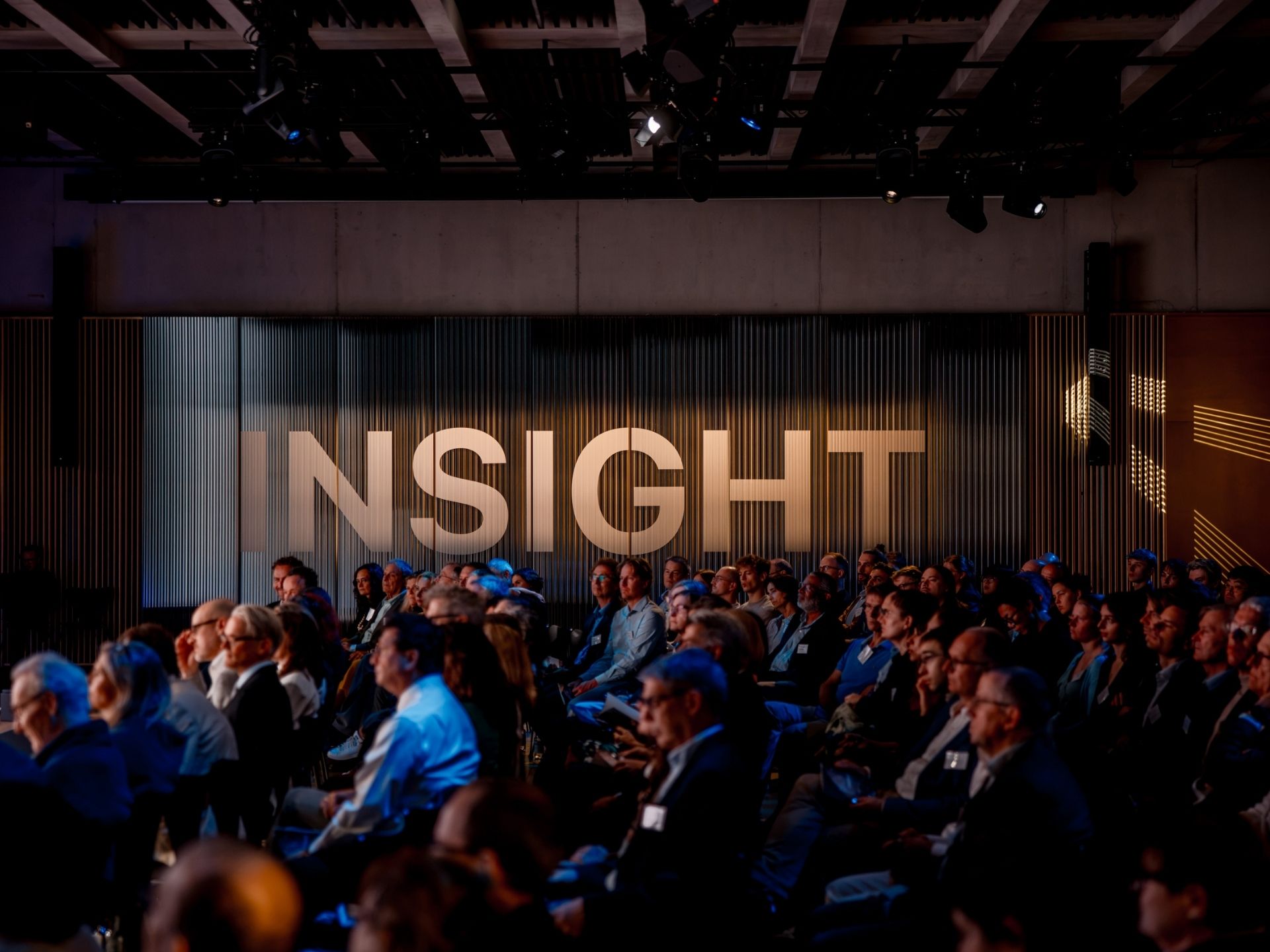
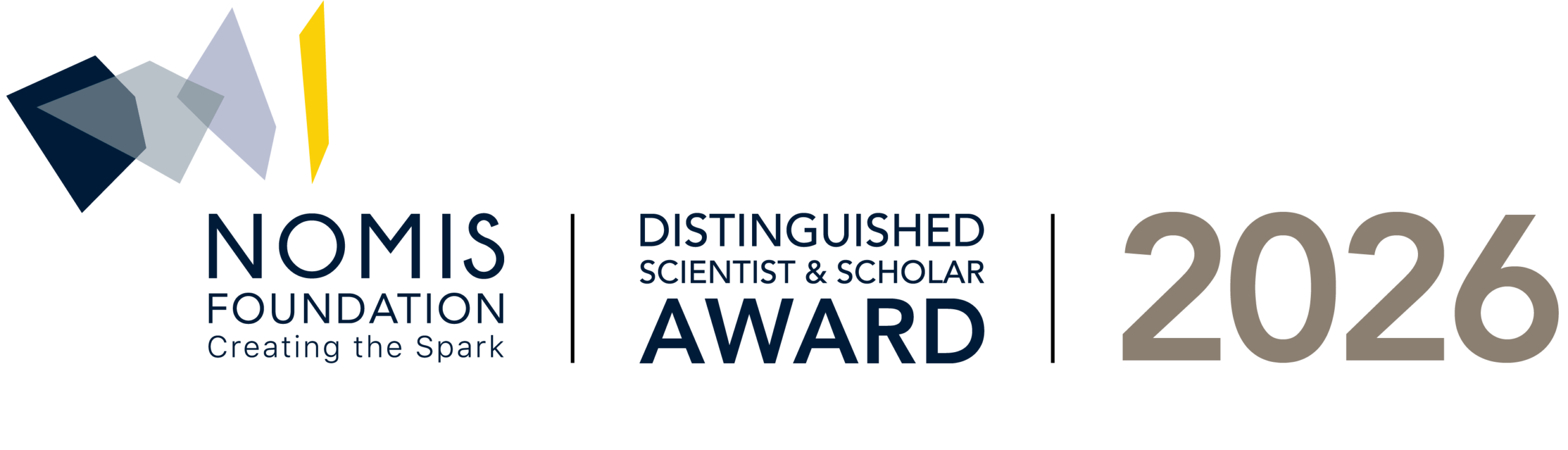
The 2026 NOMIS Insight lectures brought together researchers from around the world and across disciplines. The event took place at the Kunsthaus Zurich in Switzerland. (Photo by David Biedert)
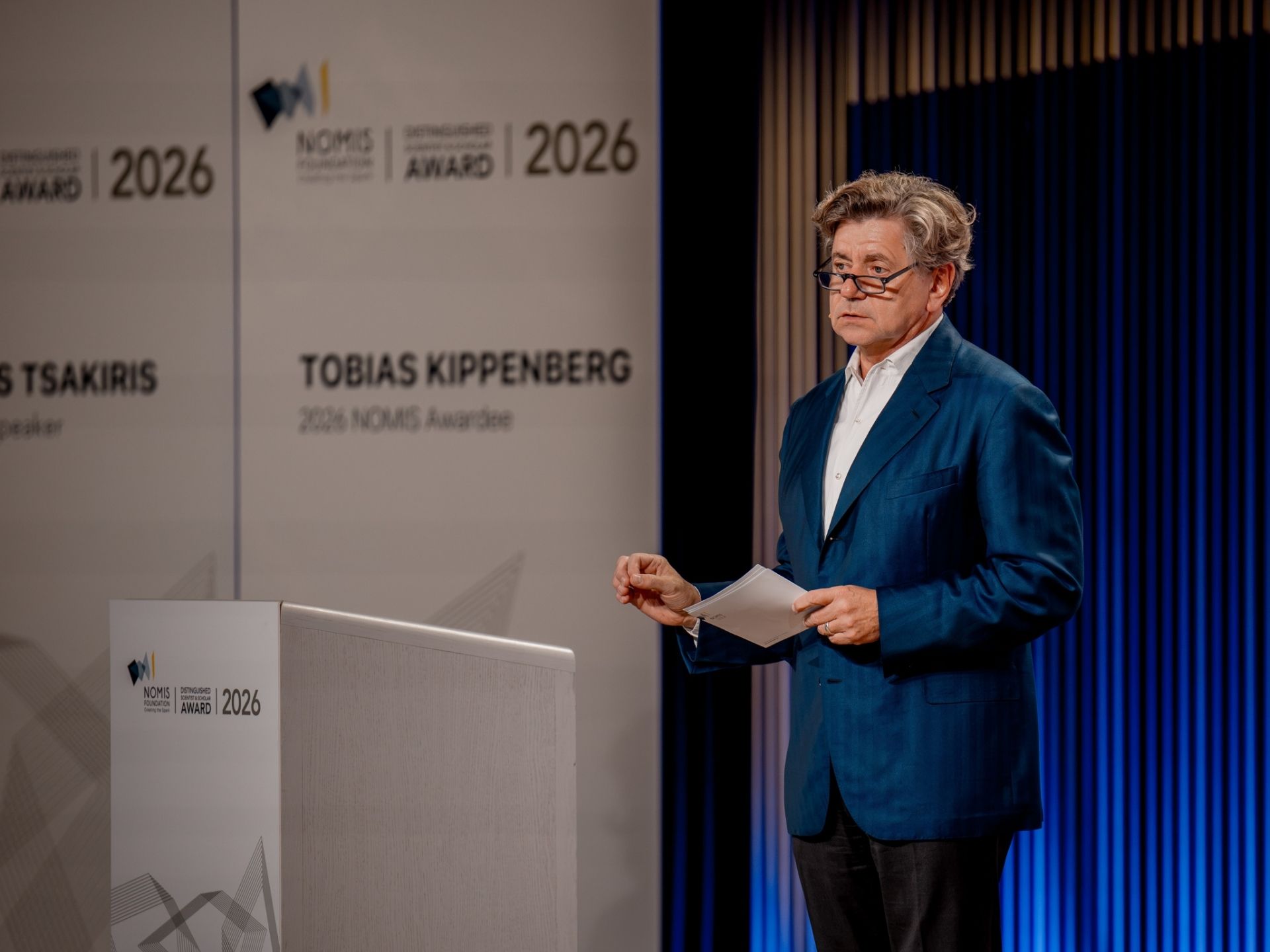
NOMIS Managing Director Markus Reinhard welcomed guests to the lectures. (Photo by David Biedert)
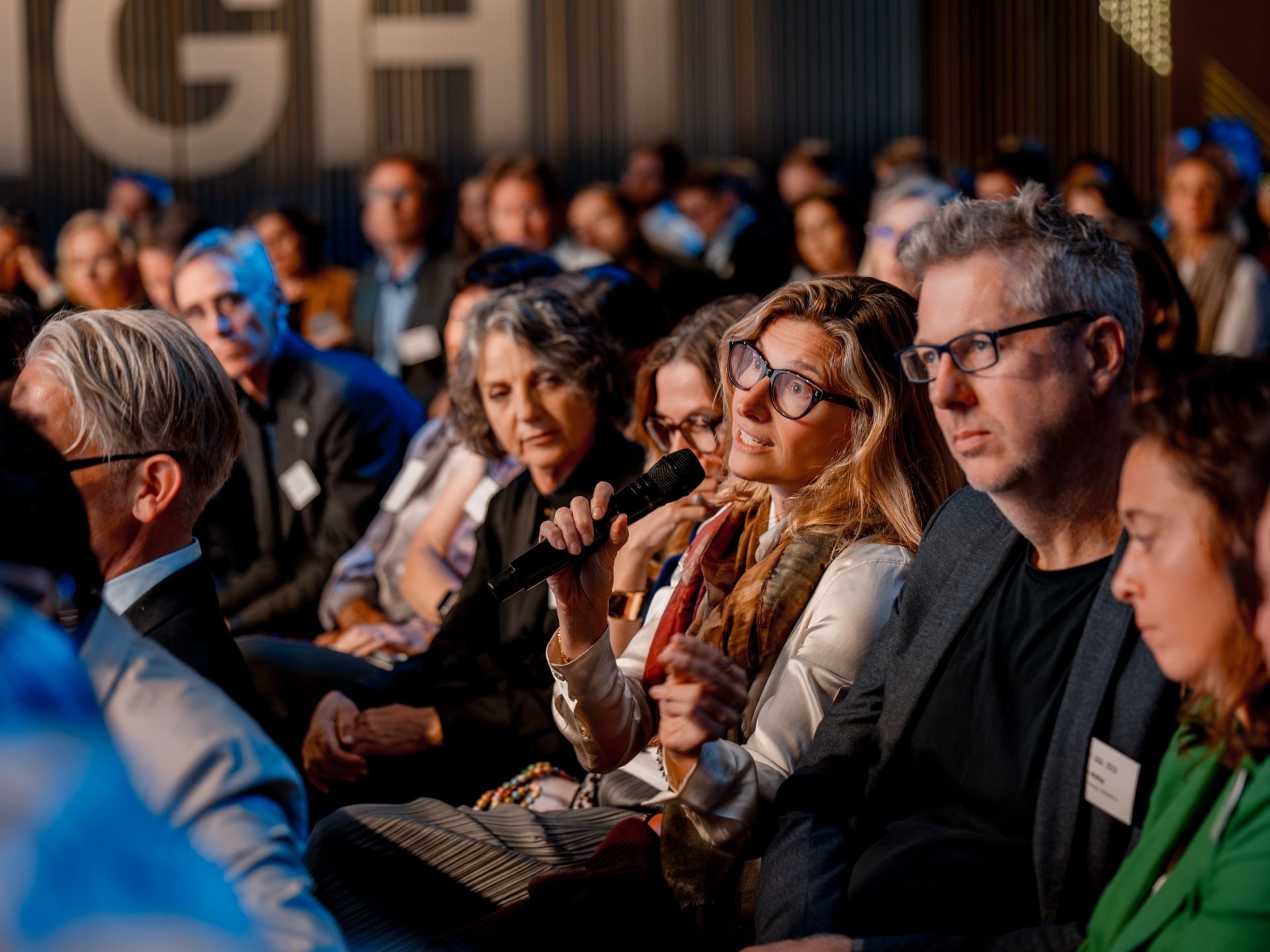
The 2026 NOMIS Insight lectures sparked open dialogue among researchers from diverse disciplines. (Photo by David Biedert)

United by curiosity and a passion for discovery, established researchers, students and members of the public gathered in Zurich for the 2026 NOMIS Insight lectures. (Photo by David Biedert)

The event was a convergence of sounds and science. (Photo by David Biedert)
The 2026 NOMIS Insight lectures brought together researchers from around the world and across disciplines. The event took place at the Kunsthaus Zurich in Switzerland. (Photo by David Biedert)
NOMIS Managing Director Markus Reinhard welcomed guests to the lectures. (Photo by David Biedert)
The 2026 NOMIS Insight lectures sparked open dialogue among researchers from diverse disciplines. (Photo by David Biedert)
United by curiosity and a passion for discovery, established researchers, students and members of the public gathered in Zurich for the 2026 NOMIS Insight lectures. (Photo by David Biedert)
The event was a convergence of sounds and science. (Photo by David Biedert)
More about the NOMIS Distinguished Scientist and Scholar Award
The NOMIS Award honors exceptional researchers whose bold questions and broad-ranging approaches transform our understanding of the world. By recognizing scientists and scholars who actively build bridges between the sciences and humanities, the award champions the innovative ideas that lead to groundbreaking discoveries and open entirely new fields of study. Established in 2016, the NOMIS Award provides the essential funding and intellectual freedom these visionaries need to continue pursuing curiosity-driven science.
About the NOMIS Foundation
NOMIS’ vision is to “create a spark” in the world of science by enabling and supporting pioneering research in the natural sciences, social sciences and the humanities that benefits humankind and our planet. Our mission is to support and enable insight-driven science across all disciplines, focusing on researchers who put forth bold new ideas, exhibit a pioneering spirit and seek to inspire the world around them.
Related news
Boundary-crossing visionaries: Celebrating the 2026 NOMIS Awardees
Revealing hidden connections and systems: Announcing the 2026 NOMIS Awardees
NOMIS researchers

Andrew Gonzalez is a 2026 NOMIS Awardee, professor and Liber Ero Chair in Biodiversity Conservation at McGill University in Montreal, Canada, as well as a fellow of the Royal Society of Canada. He is leading the project A Mesoscale Theory of the Biosphere.
Professor and Liber Ero Chair in Biodiversity Conservation
McGill University
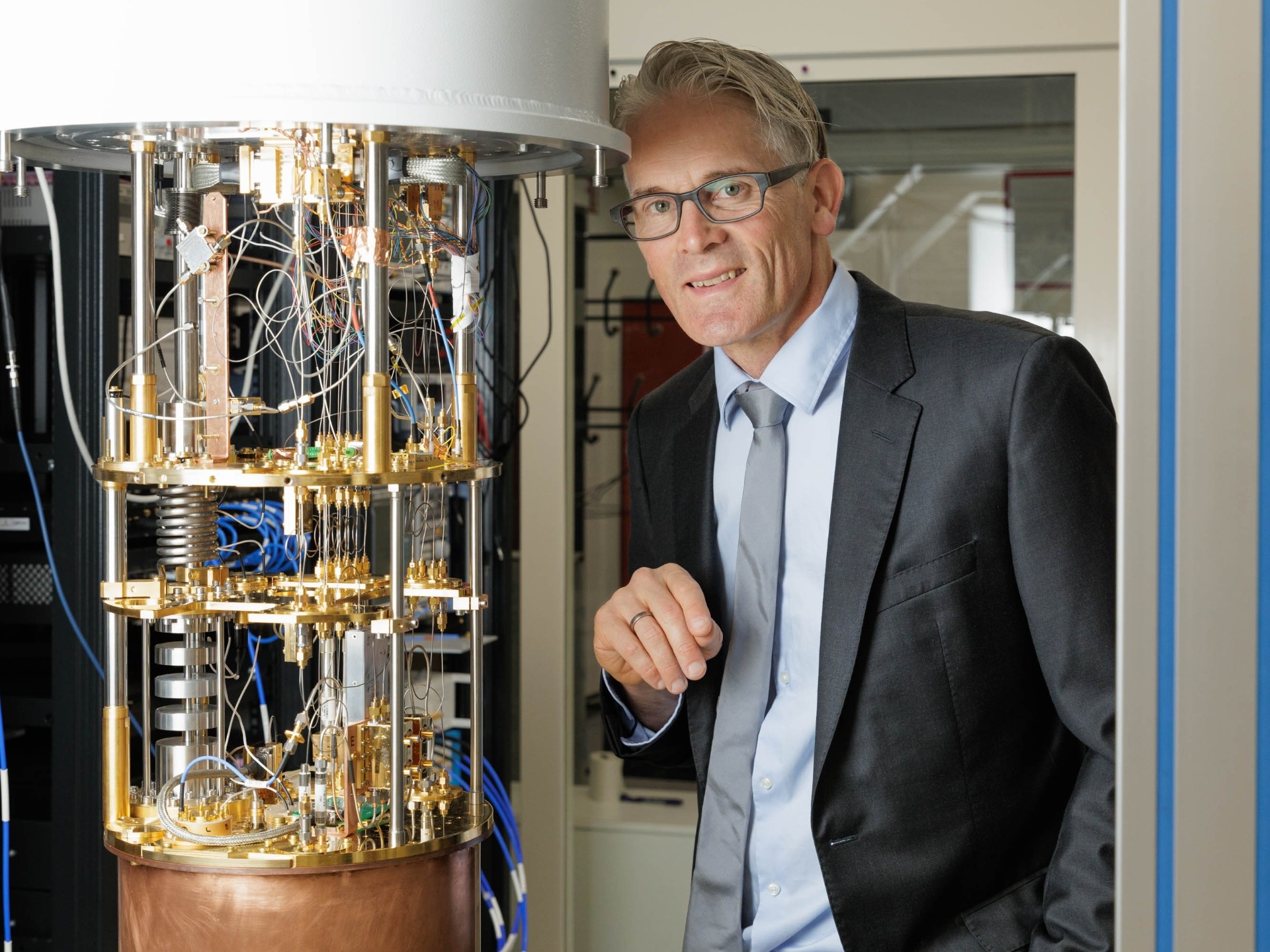
About Tobias Kippenberg Tobias Kippenberg is a 2026 NOMIS Awardee and a full professor of physics and electrical engineering in the Institute of Physics and Electrical Engineering at EPFL in Lausanne, Switzerland. He is leading the project The Quest for Ultralow Dissipation: From Self-Organized Light to Collective Quantum Drums. Kippenberg studied physics and electrical engineering […]
Full professor of physics and electrical engineering
EPFL (Swiss Federal Institute of Technology in Lausanne)
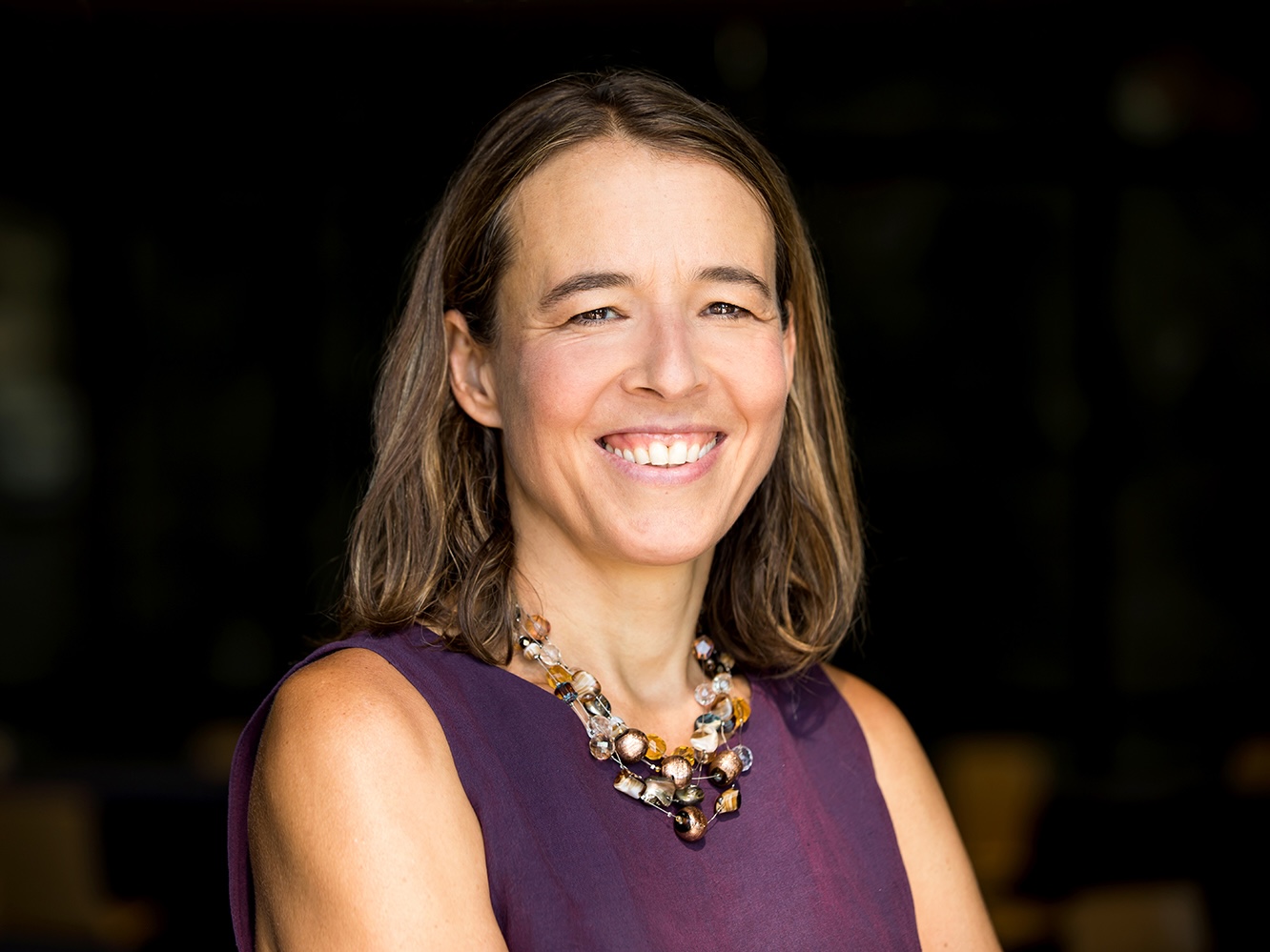
About Ulrike Malmendier Ulrike Malmendier is the Cora Jane Flood Professor of Finance at the Haas School of Business, and a professor of economics at the University of California, Berkeley, US. She is leading the project Stress and Economics — Exploring the Alleviating Role of Predictability and Controllability. Malmendier earned an MA in economics in […]
Cora Jane Flood Professor of Finance and professor of economics
University of California, Berkeley
NOMIS Project(s)
A Mesoscale Theory of the Biosphere
Human activities are causing an alarming decline in biodiversity, threatening the vital natural resources such as fertile soil, clean water and climate stability we depend on. While scientists have a strong understanding of how nature operates at local and planetary levels, we lack a general theory for how ecological changes at the mesoscale — the regional networks that connect the two — add up to impact the stability of the biosphere as a whole. How do ecosystems connected across landscapes, seascapes and regions collectively buffer — or amplify — environmental change? Understanding this is essential to preserving the natural systems that support all life.
NOMIS researcher
Project period
2026 – 2031

The Quest for Ultralow Dissipation
The question All physical systems gradually lose energy. A guitar string stops vibrating after being plucked, a swinging pendulum eventually comes to rest, and even light circulating inside a tiny glass structure slowly fades away. This universal process, known as dissipation, appears simple but raises a profound question: What ultimately determines how slowly energy can […]
NOMIS researcher
Project period
2026 – 2031

The question We live in a world of repeated crises, where economic shocks like stock-market crashes or unexpected layoffs are frequent occurrences. The impact of these shocks extends far beyond mere financial consequences. These deeply stressful experiences can cause lasting physical and mental harm, including accelerated aging and higher mortality. Furthermore, these ongoing biological stress […]
NOMIS researcher
Project period
2026 – 2031