NOMIS Research Projects

NOMIS research grants support unconventional research projects led by researchers who have demonstrated exceptional scientific capabilities and leadership. The grants enable scientists to spearhead pioneering research to answer bold questions and advance yet unexplored approaches across scientific and academic disciplines. We award research grants to investigators with an excellent track record in leading groundbreaking, high-risk basic research.

The Question

The belief that humans have a poor sense of smell compared to other animals is false. Olfaction in humans serves important purposes. In addition to the assessment of the safety of the environment (e.g., the presence of toxins, fire or predators), olfaction is also used for social purposes, to identify romantic partners, offspring and friends, often working in a subliminal way.

Relatedly, humans also have the capacity to naturally emit distinctive odors. Healthy humans produce more than 2,746 volatile organic compounds in different combinations and concentrations. Our complex and unique odor profiles (our ā€œvolatilomeā€) can thus serve as social chemosignals. These olfactory cues play an important and underexplored role in human social connection, including with respect to deep and fundamental attributes of our species such as friendship, trust and cooperation.

In prior work, Nicholas A. Christakis’ lab showed that friends have similar (genetic) senses of smell, at least in certain respects. This finding was in keeping with other evidence that olfaction plays a role in primate kin recognition and with evidence that people are able to distinguish friends from strangers based on blind tests of overall odor.

Findings such as these all suggest that recognition of friends and the formation of nonreproductive social ties are at least partially related to body odor. But how and to what extent this happens is relatively unexplored. Also unknown is the extent to which particular chemical cues govern diverse features of social interactions, including trust and altruism.

The Approach

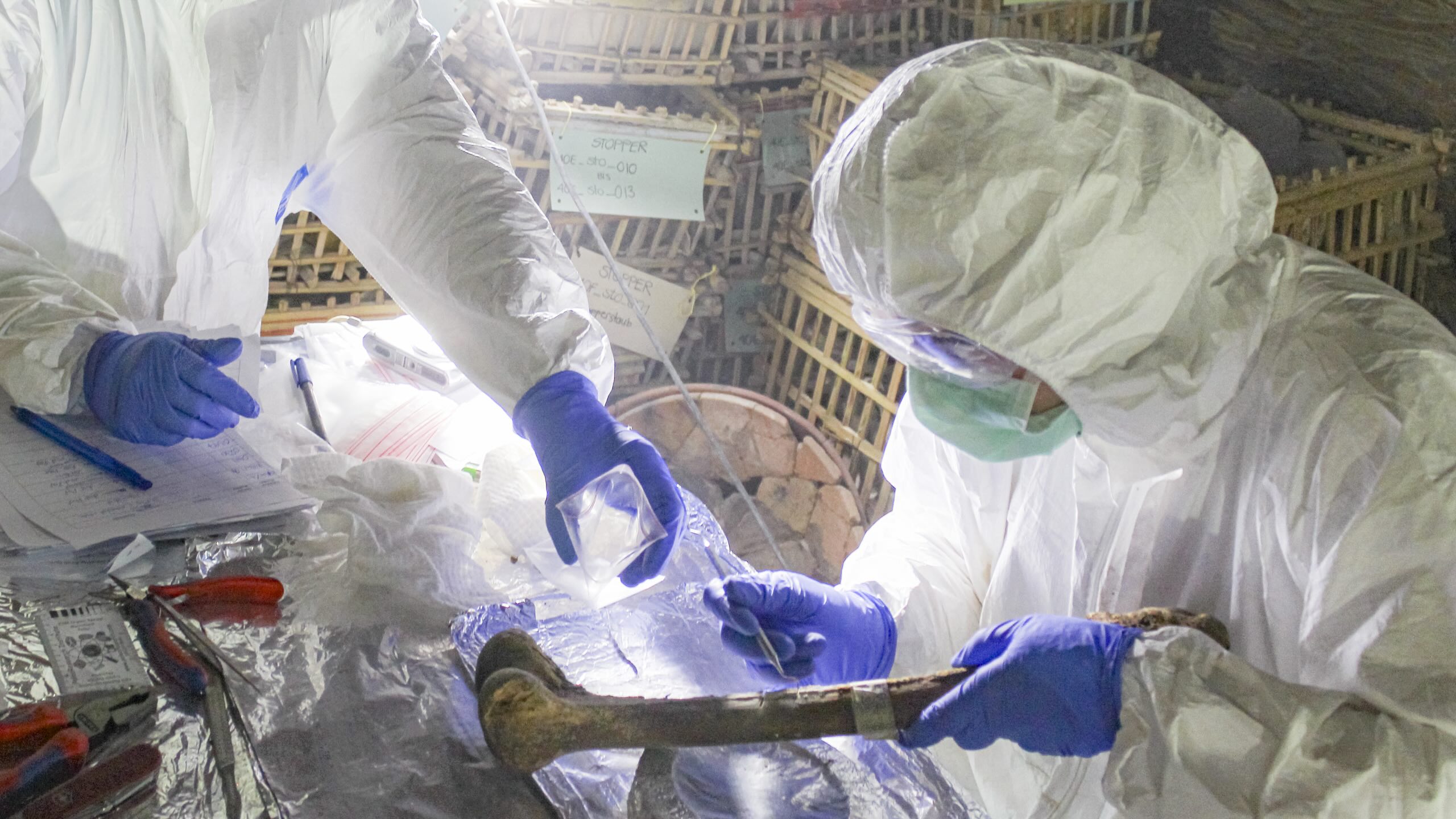
The Chemosignaling and Related Biology of Human Social Interactions project will integrate methods developed in network science, environmental and forensic science, social science, and genetics into a human chemosignaling research program. It will use various state-of-the-art odor sampling technologies, genetic sequencing, gas chromatography–mass spectroscopy (GC–MS), olfactory ā€œfingerprinting,ā€ and gold-standard mapping of face-to-face human social networks. In this way, the research team will characterize and map the chemical profile of human scent and identify pathways connecting human odor and olfaction to human friendship and cooperation.

They will perform two kinds of studies: First, for over 2,000 people living in isolated villages in rural Honduras (a longstanding field site), they will profile human odor by sampling and characterizing the human skin volatilome (creating the largest population-level database of human odor yet assembled); sequence olfactory genes; and perform olfactory fingerprinting (i.e., a comprehensive assessment of a subject’s ability to detect and assess various odors). They will also map human social networks in detail and assess cooperation, trust, and altruism in co-villagers. Second, other experiments will pair people anonymously with each other; sample their whole-body volatilome; and measure how their cooperative behaviors vary with controlled exposure to the scent of others.

These efforts will address several primary research questions, including: Does human scent carry chemosignals that could potentially influence formation of friendship ties? Do groups of friends have similar odors? Do particular, identifiable volatile chemical compounds modulate prosociality in pairs of people who are interacting?

This work might conceivably lead to the discovery of combinations of volatile compounds that might be formulated so as to enhance friendliness and trust in groups that must work together, or might potentially be used to diagnose groups that are not effective (because of discordant olfactory signals). Diagnostic tests for physical or mental illnesses could also arise from this work. The findings are also likely to be relevant to the development of olfactory artificial intelligence (including via ongoing efforts in the Christakis lab). And this work might support the inference that one partial explanation for toxic online interactions (so widely ascendent nowadays) is the lack of olfactory cues.

This line of new, fundamental research seeks a deeper understanding of how human olfactory cues are linked to diverse social behaviors. The team expectsto discover how olfaction shapes friendship, trust and cooperation, which in turn shape how functional, happy and salubrious a society can be.

The Chemosignaling project is being led by Nicholas A. Christakis at Yale University in New Haven, US.

Feature image: Children playing soccer in CopĆ”n, Honduras, where the Christakis lab’s research revealed that our friends — and also their friends — shape our gut microbiome. Photo by Andrew Jordan.

The Question

How can science help address today’s political, social and environmental crises? And are our existing scientific institutions capable of doing so — or have they become part of the problem? These questions feel urgent in the present, yet their roots lie in the transformative decades between the 1960s and 1990s, a time when the relationship between science, politics and society shifted profoundly. During this period, environmentalists, feminists, queer activists, peace movements, postcolonial and Third World solidarity groups began to challenge the authority of established science by demanding knowledge ā€œcloser to the people.ā€ In German-speaking Europe, the ā€œcounter-knowledgeā€ movement (Gegenwissen) created new forms of expertise and new ways of producing and circulating knowledge, often outside universities and government institutions.

What caused this counter‑knowledge culture to emerge? How did it reshape visions of democratic participation, trust in science, and the political meaning of expertise? And how did its energy and ideas travel into the 1990s, a decade marked by commercialization, neoliberal reforms, and the rise of new forms of populism?

The Approach

To answer these questions, the project Science for the People: Social Movements and Knowledge Production, 1960s–1990s, develops a new research framework: a political history of knowledge that traces how knowledge is produced, circulated and transformed ā€œfrom below.ā€ Drawing on the exceptionally rich archives of social movements — over 100 such collections in Germany alone — it reconstructs the media practices, research formats and epistemic cultures that emerged within activist circles. In doing so, this research offers a fresh understanding of how democratic participation, scientific authority and political activism became intertwined — and how this history can inform today’s debates about expertise, trust and public engagement with science.

The Science for the People project is being led by Nils Güttler at the University of Vienna, Austria.

Feature image: The magazine Wechselwirkung was an important forum for the exchange of ā€œalternativeā€ knowledge in German-speaking social movements in the 1980s. (Scan: ETH Zurich Library)

NOMIS Project 2026

— 2026

The Question

The rapid advancement of artificial intelligence is reshaping nearly every aspect of modern life, from scientific research to governance. However, beneath this explosive growth lies a troubling trend: AI research may be converging toward a ā€œscientific monoculture.ā€ The field is increasingly dominated by a few key technologies like transformers and large language models, while abandoning a greater diversity of conceptual and methodological approaches. This potential loss carries serious risks — reduced innovation, diminished resilience, and vulnerability to technological dead-ends. Yet, without quantitative tools to track how AI’s intellectual landscape has evolved over its 75-year history, we lack the empirical evidence needed to determine if this narrowing is real or perceived. This gap in understanding is critical: As AI becomes deeply embedded in society, with profound implications for its societal impact, we urgently need rigorous, data-driven insights to guide future research and ensure the field remains innovative and epistemically resilient.

The Approach

ThisĀ project — Mapping the Evolution of AI: A Data-Driven Exploration of Epistemic Diversity and Future Frontiers — aims to create an unprecedented, data-driven ā€œmapā€ of AI’s 75-year history through a comprehensive analysis of publications, conference papers, citations, patents, funding records and other documents from the largely informal literature at its beginnings. The project is constructing a longitudinal dataset using sources like OpenAlex and Dimensions; developing computational methods to visualize the field’s evolving structure; tracking how AI subfields emerge, branch and converge; and defining quantitative metrics for epistemic diversity — the variety of research approaches within AI.

The methodology combines cutting-edge techniques: Natural language processing models will generate embeddings capturing conceptual similarities across decades of research, and complex network analysis will map relationships between publications, authors and institutions. Conceptually, the research team treats the history of AI as a living epistemic ecosystem. Phylogenetic networks will reveal how different concepts pollinated across subfields and how shifts in meaning, unlikely combinations and ā€œroads not takenā€ have continually expanded AI to where it is today.

This quantitative history will reveal whether AI research is indeed narrowing into a dangerous monoculture. By illuminating hidden biases and identifying neglected but promising subfields, the history of AI becomes a living resource rather than a closed chapter. Finally, the research team will produce interactive visualizations to engage researchers, policymakers and the public. These tools will foster strategic dialogue, framing AI not as a story of inevitable progress, but as a complex living web of research threads that must be understood to shape the future.

The Mapping the Evolution of AI project is being led by Stefan Thurner and Helga Nowotny at the Complexity Science Hub Vienna, Austria, in collaboration with Vittorio Loreto and Luc Steels at the Sony Computer Science Laboratories in Rome, Italy, and Paris, France.

The Question

Over the past 50,000 to 3,000 years, most of the world’s largest land animals disappeared — with 88% of megafaunal species lost in Australia, 84% in South America, 72% in North America, 36% in Eurasia and 18% in Africa — profoundly altering ecosystems. These mammoths, mastodons, giant ground sloths and huge marsupials, to name a few, were part of a global web of megafauna that coevolved with our current ecosystems.

Work in the Doughty lab has shown that large animals are disproportionately important for ecosystem processes, such as the movement of nutrients, seeds or pathogens, and are critical to modifying forest structure, which could affect the climate. Following the megafaunal extinction, for example, there was a more than 100-fold loss of horizontal biotic nutrient movement across the planet’s ecosystems.

Today, biodiversity loss and climate change are often viewed as separate issues facing humanity, but these critical environmental problems may be linked through the ecological roles of large animals in, for example, carbon cycling, vegetation structure and fire. Could the restoration of large animal populations significantly alter ecosystem processes in ways that help ecosystems adapt to climate change?

The Approach

The project Effects of Reintroduction of Large Animal Species on the Earth’s Adaptation to Climate Change is exploring this connection and aims to create a global tool for predicting how reintroducing large animals could modify ecosystem services or help ecosystems acclimate to climate change.

First, the research team will collect new empirical data on how large animals influence ecosystem structure, fire and nutrient flows, then integrate these relationships into global ecosystem models to better predict the effects of future losses or reintroductions.

The researchers have identified a series of field projects, examining:

  • How large animals affect forest structure, temperature, carbon stocks and fire spread by looking at elephant presence or absence in Central Africa.
  • Rhino relocations from South Africa to Uganda.
  • Donkey and bison removal in the southwest US.
  • A bushmeat hunting gradient to understand how all animals move nutrients away from the river floodplains of the Amazon River.

Using a consistent set of observational tools, including field measurements and NASA satellite data, the team will quantify how large animals modify key ecosystem functions. They will incorporate their findings into a global ecosystem model they helped develop, enabling them to predict how future animal reintroductions or removals could impact ecosystem structure, fire prevalence and nutrient movement.

The Effects of Reintroduction of Large Animal Species project is being led by Chris Doughty at Northern Arizona University in Flagstaff, US.

The Question

Understanding biodiversity and its dynamics is one of the most critical issues of our time. To fully grasp these changes, we need an integrative eco-evolutionary (eco-evo) framework that bridges ecology and evolution to move beyond the current dominant approaches in the natural sciences — i.e., either evolutionary or ecological. Such an approach should consider four key elements: the main components of biodiversity (e.g., biological groups), the forces and processes shaping them, their spatio-temporal framework, and their environment. Within this context, specific questions must be addressed and integrated into the big picture. One prominent example concerns the relative roles of phenotypic plasticity and genetic variation — how quickly each responds, on what functional basis, and with what consequences for eco-evolutionary dynamics.

The Approach

The project Eco-Evolution: An Overarching Framework to Make Sense of Biodiversity Dynamics will develop three complementary lines of research using a highly interdisciplinary approach:

  1. Studying eco-evolution in action: In eukaryotes, the researchers will build an exemplary case study based on a simple ecological network in the French Antilles freshwaters. In bacteria, they will compare phenotypic plasticity and genetic variation.
  2. Retrospective thinking: The scientists will reconstruct a minimal eco-evo theory for an (early) world existing solely of bacteria and compare it with current eco-evo theory.
  3. Reframing the eco-evolutionary paradigm: The researchers will critically examine the forces and processes driving the integration of ecology and evolution from epistemological and analytical perspectives.

By combining empirical case studies, theoretical reconstruction and philosophical reflection, the project aims to contribute an integrative framework for making sense of biodiversity dynamics across scales and through time.

The Eco-Evolution project is being led by Philippe Jarne at the Center for Evolutionary and Functional Ecology (CEFE) in Montpellier, France, which is part of the French National Centre for Scientific Research (CNRS).

Feature image: The freshwater snail Tarebia granifera, an invader in the French Antilles and the focus of the long-term study (shell size: ca. 2 cm). (Photo: Jean-Pierre Pointier)

NOMIS Researcher(s)

NOMIS Project 2025

— 2030

The Question

Plants thrive in constantly changing environments, but unlike animals, they cannot move to find food or escape unfavorable conditions. Instead, they rely on highly efficient cellular stress responses and, most importantly, the ability to adjust their growth to reach favorable areas while avoiding unfavorable ones. This precise directional growth is particularly pronounced in roots, which explore the soil to locate water and nutrients, optimizing their uptake from the most favorable soil patches. These capacities depend on the ability to perceive the local environment and make growth decisions. However, beyond responding to basic cues like light and gravity (which have been documented and explored), can plants sense their environment in a way that resembles how animals use smell and taste — abilities that help animals locate resources and avoid dangers?

Surprisingly, this question can’t yet be answered as very little is known about how plant roots detect and respond to the vast array of chemical cues in the soil that carry information about the local environment. However, plant genomes encode hundreds to thousands of receptor kinases — a class of proteins known for recognizing chemical signals and triggering cellular responses. Yet, the function of nearly all these receptors remains a mystery. The project Mapping the Root Perceptome: Decoding the Chemical Universe Roots Can Sense and the Mechanisms Behind It hypothesizes that, much like animals, plants use these receptors to detect a wide range of yet unidentified chemical cues, guiding their growth decisions in response to their environment.

ā€œMy research could transform how we think about plant life, opening new paths for sustainable agriculture, improving ecosystem resilience, and advancing climate change solutions. By comprehensively decoding how plants sense their environment, we will better understand their enormous success on our planet and can better harness their potential to support life on Earth.ā€

— Wolfgang Busch

The Approach

The Mapping the Root Perceptome project aims to map the chemical world that roots can perceive — that is, their ā€œperceptomeā€ — and investigate whether roots function as sensory organs with specialized structures for detecting and interpreting chemical information, similar to how tongues and noses perceive and process signals in higher animals. By systematically testing how thousands of chemicals influence root growth and identifying the root structures and receptors involved in perception, the researchers hope to uncover the molecular and cellular mechanisms by which roots sense and respond to external cues.

Discoveries resulting from this work will significantly advance our understanding of how neuronless organisms like plants perceive and interact with their surroundings. This knowledge could have practical applications in agriculture and environmental sustainability, helping to develop plants with enhanced resilience to changing conditions, improved nutrient uptake, increased carbon storage in the soil, and even engineered root systems tailored for specific environments. Just as breakthroughs in human and animal sensory biology have revolutionized medicine and technology, this research will reshape how we think about plant life — revealing the hidden sensory sophistication of roots and their capacity to navigate and adapt to their environment.

The Mapping the Root Perceptome project is being led by Wolfgang Busch at the Salk Institute for Biological Studies in La Jolla, US.

Feature image: Laser confocal microscopy image (maximum intensity projection) of an Arabidopsis thaliana root tip. Cell walls are visualized in yellow/purple and nuclei appear as bright yellow spots. (Photo: Salk Institute)

NOMIS Researcher(s)

NOMIS Project 2025

— 2030

The Question

Clouds play a critical role in climate change. By reflecting sunlight back into space, they cool the planet, while simultaneously trapping infrared radiation in the atmosphere, contributing to warming. These opposing effects shift as the climate warms, making clouds a key factor in determining how much the planet will ultimately respond to increasing greenhouse gas concentrations.

Yet, despite decades of intensive research, quantifying how clouds respond to global warming remains a challenge. This lack of understanding of clouds is the greatest unknown in climate projections. The difficulty of representing clouds in atmospheric models leads to significant uncertainties in weather forecasts. In particular, accurately forecasting extreme precipitation events associated with deep convective clouds remains a major hurdle.

At the heart of this challenge is the complexity of cloud formation, which depends on both microscopic processes, like droplet and ice crystal formation, and large-scale atmospheric processes, such as low- and high-pressure systems spanning hundreds to thousands of kilometers. Accurately representing the physical laws that govern all these processes is currently infeasible, even for the most advanced supercomputers.

ā€œWith Deepcloud, we are breaking one of climate science’s biggest barriers: understanding and representing cloud processes in a warming world. By uniting advanced AI, open data and community-driven research, we’re transforming how clouds are modeled — and with them, the future of climate prediction.ā€

— Markus Rex

The Approach

The Deepcloud project aims to overcome this challenge by using machine learning to model cloud processes. Recent progress in artificial intelligence approaches, combined with the recent quantum leap in the availability of detailed cloud data, open up new possibilities for understanding and simulating clouds.

Rather than explicitly describing all physical processes within clouds, the machine-learning model will learn the most efficient representation of how small-scale processes influence cloud behavior. To train the model, the project will leverage unique observational data from two key sources: a recent year-long Arctic expedition and a cloud-observing satellite launched in 2024. This model of cloud processes will be used to explore how Arctic clouds respond to global warming and how increases in small particles in the atmosphere influence cloud properties. The researchers hope to uncover the extent to which cloud ice is replaced by cloud liquid in a warmer climate and how changes in cloud condensation nuclei and ice nucleating particles affect cloud processes and cloud properties. These insights will advance our understanding of cloud-related climate feedback at high latitudes, transforming the future of climate prediction and policy, ultimately safeguarding the planet for future generations.

Deepcloud: Tearing Down a Long-Standing Barrier in Climate Research by Pioneering a New AI-Based Model Approach is being led by Markus Rex at the Alfred Wegener Institute, Helmholtz Center for Polar and Marine Research (AWI) in Potsdam, Germany.

Feature image: Convective clouds in the clean air of the tropical West Pacific. (Photo: AWI)

NOMIS Researcher(s)

NOMIS Project 2025

— 2030

The Question

Fueled by powerful new telescopes and the discovery of thousands of exoplanets — planets that orbit stars other than the sun — the search for life beyond Earth is accelerating. Yet whether in the solar system or on distant exoplanets, finding life may require a broadened perspective. Could life exist in Venus’ acidic clouds, on airless planets or in other extreme environments once considered uninhabitable?

Many known exoplanets are too warm for surface liquid water and therefore considered inhospitable to life. Liquid is a fundamental requirement for life as we understand it, but whether that liquid must be water is not known.

Groundbreaking experiments in Sara Seager’s lab have shown that some key building blocks of life remain stable in sulfuric acid — the main component of Venus’ clouds — challenging conventional thinking. Beyond Venus, the researchers suggest that ionic liquids — special nonevaporating liquids that can be hospitable to biomolecules — can form and exist naturally, perhaps even on planets without atmospheres.

ā€œMy research expands the definition of habitability, offering new pathways to detect life on planets once dismissed as inhospitable. At a deeper level, it speaks to a universal human desire to understand our place in the cosmos — and the aim to discover that we are not alone. While driven by pure scientific curiosity, this work can occasionally lead to practical spinoffs, especially through the development of hardware for space missions, as my team is actively doing.ā€
— Sara Seager

The Approach

The project From Lab to Cosmos aims to expand the definition of habitability by conducting laboratory experiments that study biomolecules’ chemistry in sulfuric acid for Venus missions; explore biomolecules in ionic liquids as exotic solvents; and predict signs of life based on planets that could sustain life in extreme environments.

The most transformative potential of this research lies in its implications for the origin of life. By examining exotic solvents and rejecting water as the sole prerequisite for biology, we gain access to a wider chemical space — one that may encompass the primitive pathways by which life began. These pathways, now erased from Earth’s surface record, may still be active elsewhere, and exploring them could redefine our understanding of life’s beginnings and its potential distribution across the cosmos.

From Lab to Cosmos: Rethinking Habitability and the Search for Life Beyond Earth is being led by Sara Seager at the Massachusetts Institute of Technology (MIT) in Cambridge, US.

Feature image: Left photo courtesy of Sara Seager; center photo by JAXA; right photo by NASA

NOMIS Researcher(s)

NOMIS Project 2025

— 2030

The Question

Logos, ubiquitous yet often overlooked, are the silent markers of our world. They adorn products, uniforms and institutions — such as political parties, corporations, cities, universities, sports teams or events. In our modern landscapes, they saturate our surroundings, blending with architecture, guiding travelers along motorways, dominating our skies on airline liveries and even finding a place in the most intimate corners of our homes — from book spines and refrigerators to toys, clothing and digital screens.

Logos are not just symbols. We design them, but in turn, they shape us: They steer desires and consumption, structure our communication, mediate social conflicts and enable political propaganda.

By viewing the logo as an ā€œimpersonal influencerā€ within a broaderĀ ā€œlogoscapeā€ — the visual–social environment we inhabit — this research seeks to answer a dual question: Analytically, how do logos function across economic, political, religious and cultural domains? And normatively, how could a more comprehensive public understanding reshape the way institutions, designers and citizens utilize and perceive them?

The Approach

The City of Signs: Understanding Logos project aims to comprehend logos by examining them asĀ total social facts, as per Marcel Mauss’ definition. The method of social aesthetics employed by the City of Signs researchers is a rich blend of the conceptual, synthetic and reflective orientation of philosophy with the empirical insights of the social sciences. This interdisciplinary approach not only promises to avoid disciplinary fragmentation but also ensures a comprehensive understanding of the anthropological dimension of the logo, addressing broader human needs — for belonging, recognition, distinction — through the visual codification of collective identity.

On the one hand, the project brings into focus the long-term historical dimension of the logo, often mistakenly regarded as a recent phenomenon born of Western capitalist development. The logo boasts an ancient lineage, intersecting, among others, with numismatics, heraldry, the Renaissance tradition of emblems, the history of artists’ signatures and royal manufactories. This historical depth enriches our understanding of the logo’s role in shaping human culture.

On the other hand, the project underscores the global geographical dimension of the logoscape. To capture this dynamic, the project will combine archival research with comparative fieldwork in diverse urban environments, including New York, Tokyo, Kyoto, Mumbai, New Delhi and Siena. This approach will allow the researchers to examine how logos mediate belonging, conflict, commerce and cultural life on a global scale.

Complementing this academic inquiry, practice-based research will engage graphic designers and produce original photographic documentation.Ā The five-year program will culminate in the exhibition Logoscapes: Between Past, Present and Future, as well as a collective, illustrated volume that consolidates the theoretical, historical and field-based findings for scholars, practitioners and citizens alike.

City of Signs: Understanding Logos is being led by Barbara Carnevali at the Ɖcole des Hautes Ɖtudes en Sciences Sociales, in Paris, France, with the Accademia di Architettura of Mendrisio at the UniversitƠ della Svizzera Italiana in Switzerland as the host institution.

Feature image: Denise Scott Brown,Ā Architettura Minore on The Strip, Las Vegas, 1966,Ā Carnegie Museum of Art, purchased with funds provided by Elise Jaffe & Jeffrey Brown

The Question

Humans exhibit exceptional cognitive abilities and social skills, including complex forms of written and oral communication, our propensity to develop new technologies and explore and rapidly adapt to new ecological niches, and our ability to produce artistic representations of our imagination. These features emerged due to genetic modifications leading to known traits of brain development such as increased neocortical size and circuit complexity during human evolution and maybe to other currently unknown traits of brain development and function.

Research efforts have focused on two prominent classes of genomic innovations linked to the emergence of uniquely human traits of brain development: human accelerated regions (HARs) and human-specific gene duplications (HSGDs). HARs encode modifications to ancient gene regulatory elements that alter the level, timing and spatial patterns of gene expression in human development. HSGDs encode new proteins acting as modifiers of a range of known and unknown features of brain development and adult neuronal and circuit functions ranging from human neurogenesis to synaptic and circuit development.

The Human Brain Evolution Initiative aims to understand how human-specific genomic changes drove novel human-specific features of brain development and how these traits altered brain function and allowed the emergence of our unique cognitive abilities.

The Approach

The research team has already made significant discoveries that have provided novel insights into how HARs and HSGDs shaped human brain evolution. Their work includes developing model systems to study these genomic elements and uncovering how they influence gene regulation, brain development, and disease susceptibility in humans. Building on this knowledge, the Human Brain Evolution Initiative is now investigating four key areas:

1) Understanding how HARs and HSGDs interact to generate uniquely human brain features using combinatorial humanized mouse models.

2) Identifying and dissecting uniquely human brain features using human and nonhuman primate brain organoids and assembloids.

3) Understanding uniquely human features in neuronal development and function using xenotransplantation and ex vivo human brain tissue.

4) Understanding how human-specific genetic modifiers interact with genes implicated in human brain disorders.

Their findings will continue to provide unprecedented insights into the genetic and cellular mechanisms that influenced the evolution of the human brain and begin to reveal the events in our evolutionary history that made us human.

The Human Brain Evolution Initiative is being led by Franck Polleux at the Mortimer B. Zuckerman Mind Brain Behavior Institute at Columbia University (New York, US), James P. Noonan at Yale University (New Haven, US), and Pierre Vanderhaeghen at the VIB–KU Leuven Center for Brain and Disease Research (Leuven, Belgium).

Feature image: Catching human neurons in action: in vivo calcium imaging of human pluripotent stem cell–derived cortical pyramidal neurons transplanted in the mouse visual cortex. (Photo: Ben Vermaercke, Bonin and Vanderhaeghen Laboratories)

NOMIS Researcher(s)

NOMIS Project 2025

— 2028

The Question

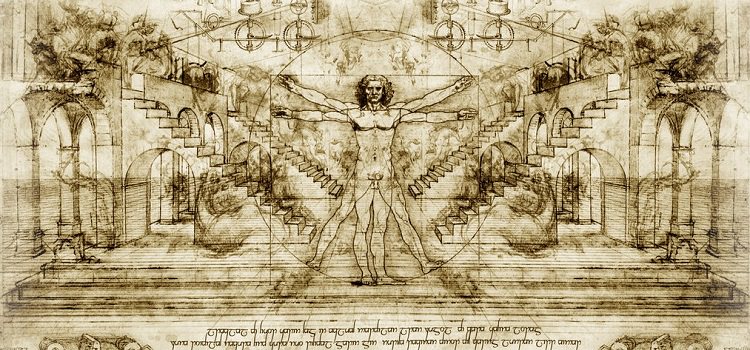
Long before the advent of ChatGPT and other large language models (LLMs), the question arose: Can a black box think? The research project Assisted Thinking: A Deep History of Scholarly AI meets Alan Turing’s (1950) seminal challenge with the assumption that intelligence is distributed between humans and machines. It pursues two lines of inquiry: on the one hand, by writing the history of AI as a genealogy of thinking machines from the baroque to the present, and on the other hand, by using insights gained from this genealogy to critically examine the use of language in current LLMs. The project’s guiding questions probe assistance and creativity in intellectual work by examining the architecture, modes of interaction, and language use of both historical and current thinking machines with a genealogy from writing desks and scholarly devices since the baroque period to current LLMs. How does the architecture of those intellectual furnishings facilitate thought? How is language incorporated in the device? Finally, how can the usages of the (historical) machines be assessed while they produce both creativity and constraints?

The Assisted Thinking project also will explore other questions, including, what does this prehistory of LLMs look like? What are the key scenarios in this long trajectory of scholars’ interactions with their thinking aids? Who is involved in the deeper history of artificial intelligence, reaching back far beyond the famous Dartmouth conference in 1956, when the term ā€œartificial intelligenceā€ was coined?

The Approach

Dall-E with illustrations from Vincentius Placcius, De arte excerpendi. On scholarly bookkeeping, Stockholm and Hamburg, 1689.

Following critical AI studies with a media historical perspective, the core concept of ā€œassistanceā€ takes the agential relationship between human and AI to be an unequal but distributed phenomenon, circumventing the discourse of the machinic replacement of human beings. The assisting device acts as a moderator and facilitator of human ideas and knowledge production, and it is aimed at creativity, understood here as the productive outcome of a shared interaction rather than as the characteristic of a single participant.

Two foci elucidate these concepts from different historical and conceptual angles. While the ā€œDeep History of AIā€ investigates the assistive function of ā€œintellectual furnishingsā€ like desks and writing cabinets from the baroque to the present, the focus on prompts as the interface between human and machine examines the change of language use while becoming both a medium of assistance and an agent in the creative interaction with the technology.

The Assisted Thinking project is being led by Markus Krajewski at the University of Basel (Switzerland).

NOMIS Researcher(s)

NOMIS Project 2025

— 2027

The Question

Imagine you receive this message from a friend: ā€œIt finally happened, I got the confirmation letter in the mail this morning, let’s go out tonight to debrief.ā€ As soon as you read this, your brain starts building a complex model: You might immediately know that your friend is talking about a job offer they have been waiting for, for over a year, and that they will be both excited and nervous, because the job means moving countries and their partner doesn’t want that; you might immediately think about whether you can move your 6pm yoga class tonight to go and meet your friend, or whether it might make sense for you to pick them up from home on your way back from work, or whether they are working in their office today.

When we talk with our friends, listen to the news or make plans with colleagues, our brains make sense of these complex situations by using background knowledge to create rich and powerful inferences about the mental states of other people. We are constantly reasoning about the things they know, their likely goals, whether to trust another person, whether to change our minds and when to make new plans together or seek new information.

This kind of social reasoning is central to human life and vital to the buildup of knowledge and cohesion in social discourse. Without reasoning about other minds, our ability to learn and share information would be critically limited, yet these core cognitive processes go beyond what contemporary models in modern cognitive science and neuroscience are capable of capturing. Even the most powerful modern artificial intelligence systems lack many aspects of social reasoning, and we currently lack models and methods that would help us to address this fundamental limitation.

The Approach

The project How Reasoning About Other Minds Supports Human Culture: Large-Scale Experimental Simulations of Cultural Evolution With Human Participants aims to fill this gap by conducting large-scale behavioral experiments in which people engage in social interactions with strangers to solve problems, make plans and discover new concepts together. These experiments will leverage new methods in experimental psychology to create situations that expose the rich structure of human social reasoning, and leverage computational methods to extract structure from large-scale behavioral data. Using modern experimentation, the project’s researchers will be able to construct networks of interacting participants who learn from each other over time, and study the evolution of participant behavior in micro-societies.

The experiments will generate large-scale datasets that can be used to test the predictions of formal computational models of social reasoning, and to improve machine learning systems that currently lack many forms of social reasoning. These insights will not only help us understand one of humanity’s key cognitive skills, but will also help to inform the design of digital systems that better support constructive discourse and learning in modern digital discourse arenas, such as social media platforms and conversational AI systems.

The How Reasoning About Other Minds Supports Human Culture project is being led by Bill Thompson at the University of California, Berkeley (USA).

Research is the vital expression of humankind’s most important qualities: curiosity and imagination.

Explorers, inventors, pioneers—dedicated researchers on the frontiers of science and the humanities.

Insight, when it comes, changes everything.