
Crisis: A Global Inquiry Into the Contemporary Moment
We inhabit a world in crisis. Or, more precisely, we live in a world in which the language of crisis has become the most common way of representing a series of situations we face. We have global economic crises, eurozone crises, refugee crises in Europe and the Middle East, leadership crises in the United States and Venezuela, institutional crises in Hungary and Poland, nuclear crises in North Korea and Iran, humanitarian crises in Yemen and Congo, food crises in South Sudan and the Horn of Africa, environmental crises in the Arctic and the Amazonia, as well as identity crises, legitimation crises, solidarity crises, security crises, gender crises … and even crises in the social sciences.
This ubiquity of the idea of crisis tells us something about the actuality as well as the imaginary of contemporary societies. One can regard it literally as a sign of our times: It signals something important about the present. The project, Crisis: A Global Inquiry Into the Contemporary Moment, seeks to analyze this objectively identifiable and subjectively experienced notion of crisis. It will explore, through a multi-sited study conducted on five continents and mobilizing different disciplines, the multiplicity of the forms of, and responses to, crises.
NOMIS researchers
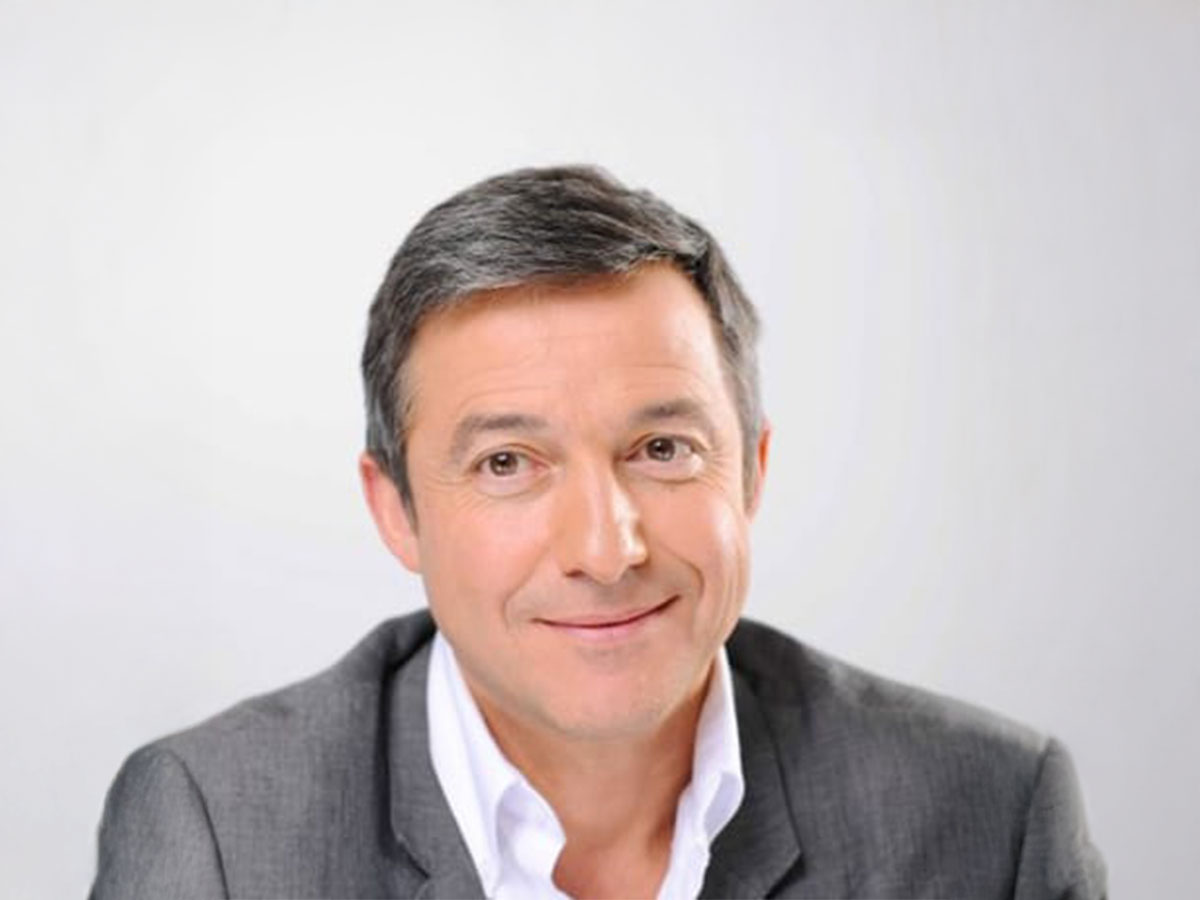
About Didier Fassin Didier Fassin is a 2018 NOMIS awardee and director of studies in anthropology at the École des Hautes Études en Sciences Sociales (EHESS; Paris, France), and has been the James D. Wolfensohn Professor at the Institute for Advanced Study (Princeton, US) since 2009. Born in France, Fassin received an MD and MPH […]
James D. Wolfensohn Professor
École des Hautes Études en Sciences Sociales
Institute for Advanced Study
Project Publications
L'Exil, toujours recommencé: Chronique de la frontière
Anthropologue et médecin, Didier Fassin est professeur au Collège de France, titulaire de la chaire Questions morales et enjeux politiques dans les sociétés contemporaines, et directeur d’études à l’EHESS. Anne-Claire Defossez est sociologue, chercheure à l’Institute for Advanced Study de Princeton.
Fuyant les violences politiques, les persécutions religieuses ou la pauvreté, des hommes, des femmes, des enfants d’Afghanistan, d’Iran, du Maghreb et d’Afrique subsaharienne, se mettent en route pour des voyages de plusieurs années au cours desquels ils affrontent les rackets des bandes armées, les brutalités des polices, les camps d’enfermement, les murs de barbelés, les rigueurs du désert, les périls de la mer. Beaucoup y perdent la vie.
Cinq années durant, été comme hiver, Didier Fassin et Anne-Claire Defossez ont mené une recherche à la frontière entre l’Italie et la France, dans les Alpes, auprès de nombre de ces exilés, pour reconstituer leur périple en l’inscrivant dans le contexte géopolitique des bouleversements du monde. Ils ont pris part aux activités menées pour leur porter assistance. Ils ont rencontré les multiples acteurs de ce territoire de migrations millénaires.
Leur enquête donne ainsi à comprendre l’expérience des exilés, l’engagement des volontaires et même le désarroi des forces de l’ordre, conscientes de la vanité de leur mission. Elle dévoile l’inefficacité d’une militarisation de la frontière qui rend plus dangereuse la traversée de la montagne et d’une politique qui nie les droits de personnes en quête de protection.
Research Fields
Social Sciences

Displaced people's perilous journeys: border violence as a public health issue
The 21st century has seen displacement of migrants and refugees unprecedented since World War 2. As of the end of 2022, of the 108 million people who had to leave their homes because of persecution, conflict, violence, or human rights violations, 62·5 million were internally displaced, 35·3 million were refugees, and 5·4 million were officially asylum seekers.
However, the number of people still in transit in search of protection or a better life is unknown. Whether they are Venezuelans trying to reach the USA, Senegalese trying to reach the Canary Islands, or Ethiopians trying to reach Saudi Arabia, or whether they are Guineans crossing the Sahara, Afghans crossing the Evros River, or Rohingyas crossing the Andaman Sea, the only figures that we have about these people are the conservative statistics produced by the International Organization for Migration of the number of deaths worldwide: 58 280 in 10 years.
But what about those who survived? In Europe, an indirect source is the number of asylum seekers, since most people arriving after forcible displacement apply for refugee status. In 2022, not counting Ukrainians who were granted temporary protection, there were 881 000 people seeking asylum, mostly from Syria, Afghanistan, Venezuela, and Türkiye.
This means at least an equivalent number of people travelled from their home country to their host country in the previous months or years. Yet, we know little of the journey of this approximately 1 million displaced people.
Research Fields
Social Sciences
Crisis as experience and politics
In the tradition of Koselleck, crisis has often been approached as an idea or as a narrative, but less research has been conducted on how people produce, respond to, and live through crises. Most of the articles of the present issue explore this perspective, with its dual dimension of experience and politics. In line with it, the present article proposes an analysis of the crisis caused by the COVID-19 pandemic through the questions of the rupture in time, the state of exception and the uncovering of inequalities.
Research Fields
Economic & Social Sciences, Political Science & Public Administration, Social Sciences
News

September 16, 2024
Didier Fassin awarded Huxley Medal
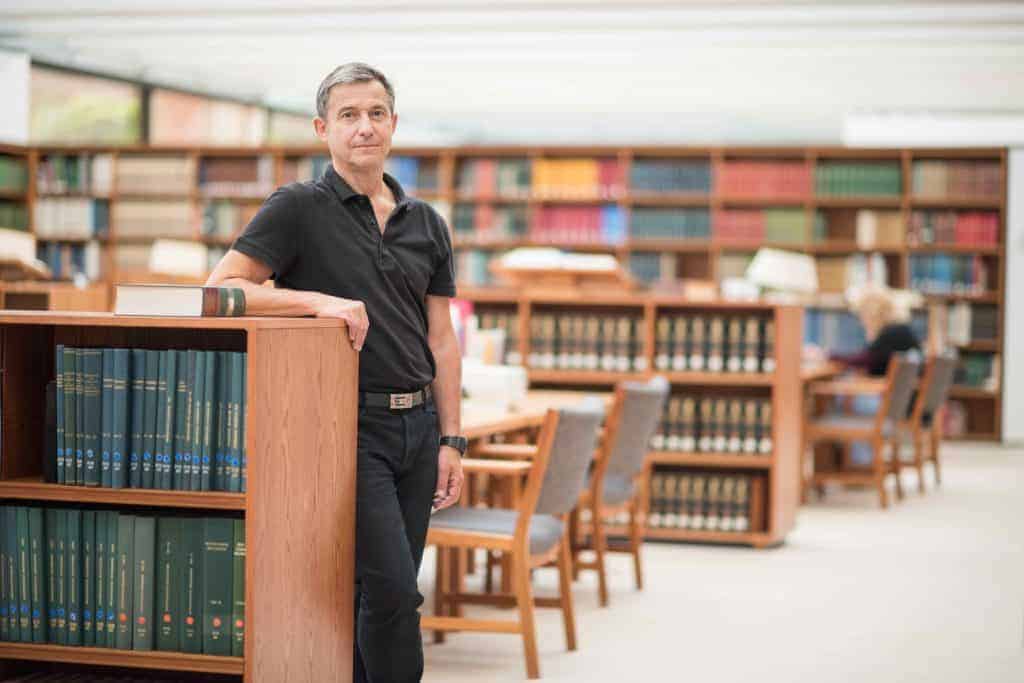
NOMIS Awardee Didier Fassin, James D. Wolfensohn Professor in the School of Social Science at the Institute for Advanced Study (IAS), has received the Huxley Memorial Medal from the Royal Anthropological Institute of Great Britain and Ireland, the highest British distinction in anthropology. Fassin, who will also deliver the Huxley Memorial Lecture, was recognized “for his outstanding contribution and […]

September 19, 2022
Didier Fassin appointed Chair of Moral Questions and Political Issues in Contemporary Society at Collège de France
NOMIS Awardee Didier Fassin has been appointed Chair of Moral Questions and Political Issues in Contemporary Society (Questions morales et enjeux politiques dans les sociétés contemporaines) at Collège de France. The appointment begins Oct. 1, 2022. In addition to this new role, Fassin will maintain his professorship at the Institute for Advanced Study on a […]
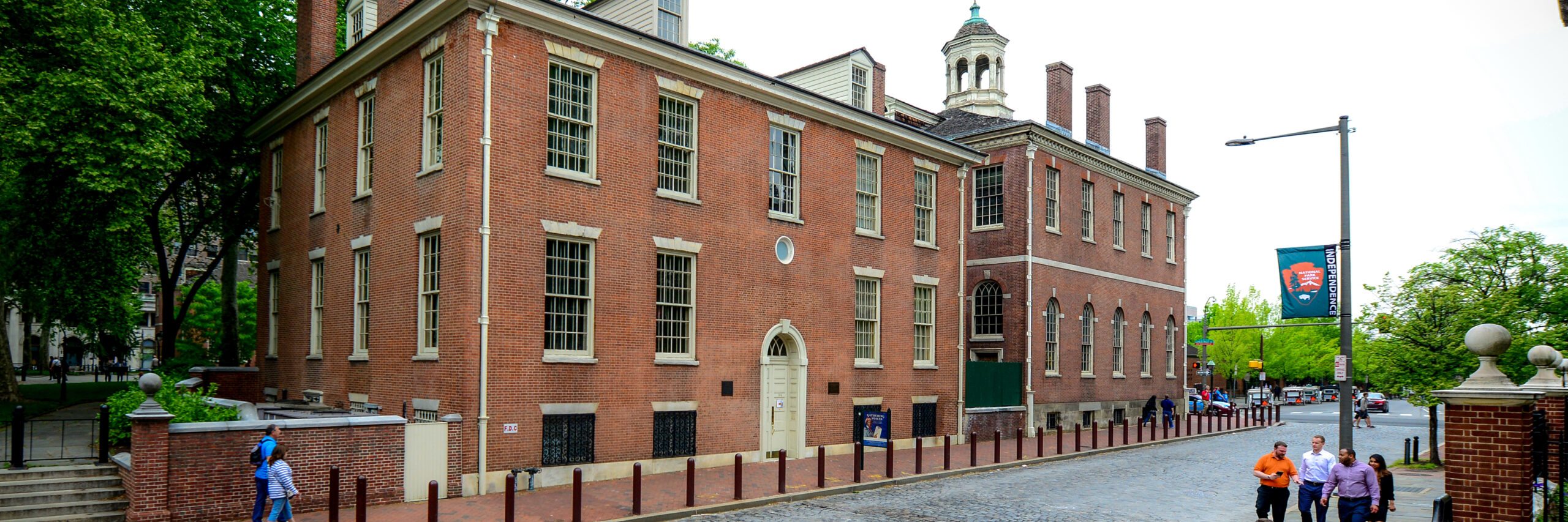
NOMIS Awardees Karl Deisseroth and Didier Fassin have been elected to the prestigious American Philosophical Society. The American Philosophical Society Welcomes New Members for 2022 The American Philosophical Society is pleased to welcome new Members elected to the Society in 2022. Election to the American Philosophical Society honors extraordinary accomplishments in all fields. The APS […]
