
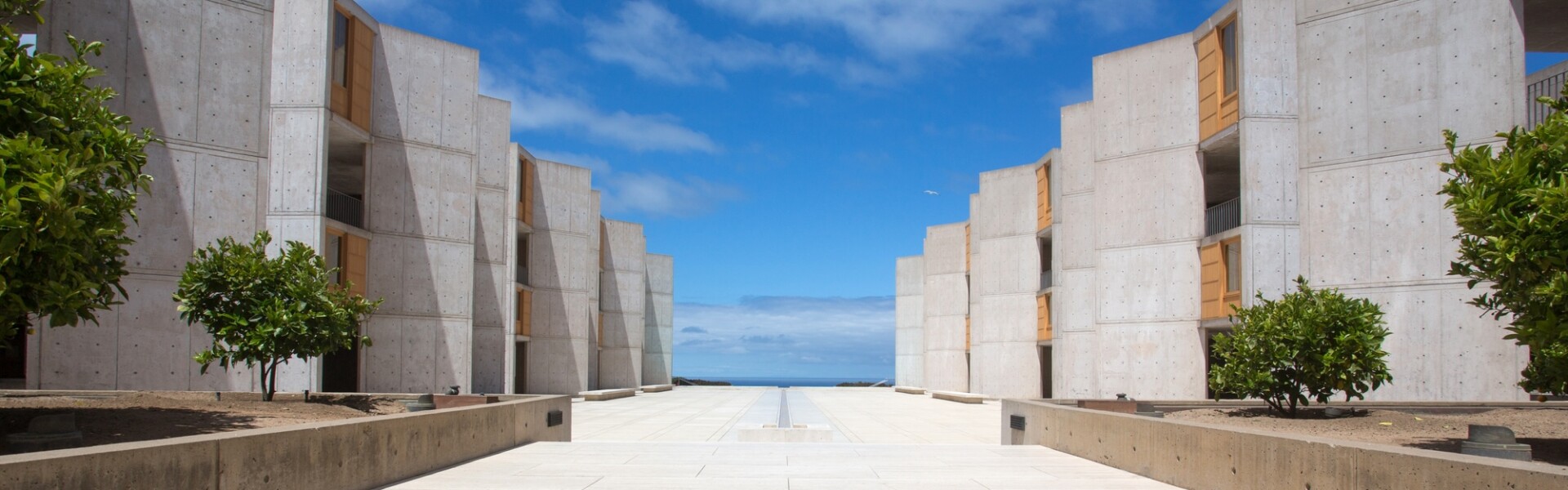
Salk Institute for Biological Studies
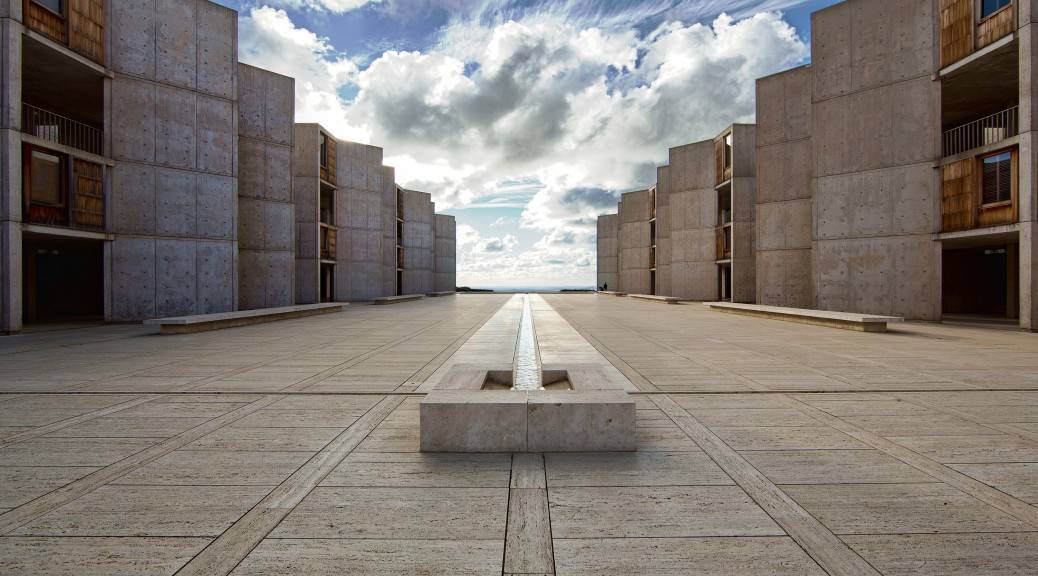
Unlocking the secrets of life itself is the driving force behind the Salk Institute. Salk’s team of world-class, award-winning scientists pushes the boundaries of knowledge in areas such as neuroscience, cancer research, aging, immunobiology, plant biology, computational biology and more. Founded by Jonas Salk, developer of the first safe and effective polio vaccine, the Institute is an independent, nonprofit research organization and architectural landmark: Small by choice, intimate by nature, and fearless in the face of any challenge. The Salk Institute has been a NOMIS partner since 2008. Together, Salk and NOMIS have established the NOMIS Center for Immunobiology and Microbial Pathogenesis and the NOMIS–Salk Fellowship Program.
NOMIS Center for Immunobiology and Microbial Pathogenesis, Salk Institute
NOMIS–Salk Fellowship Program
People
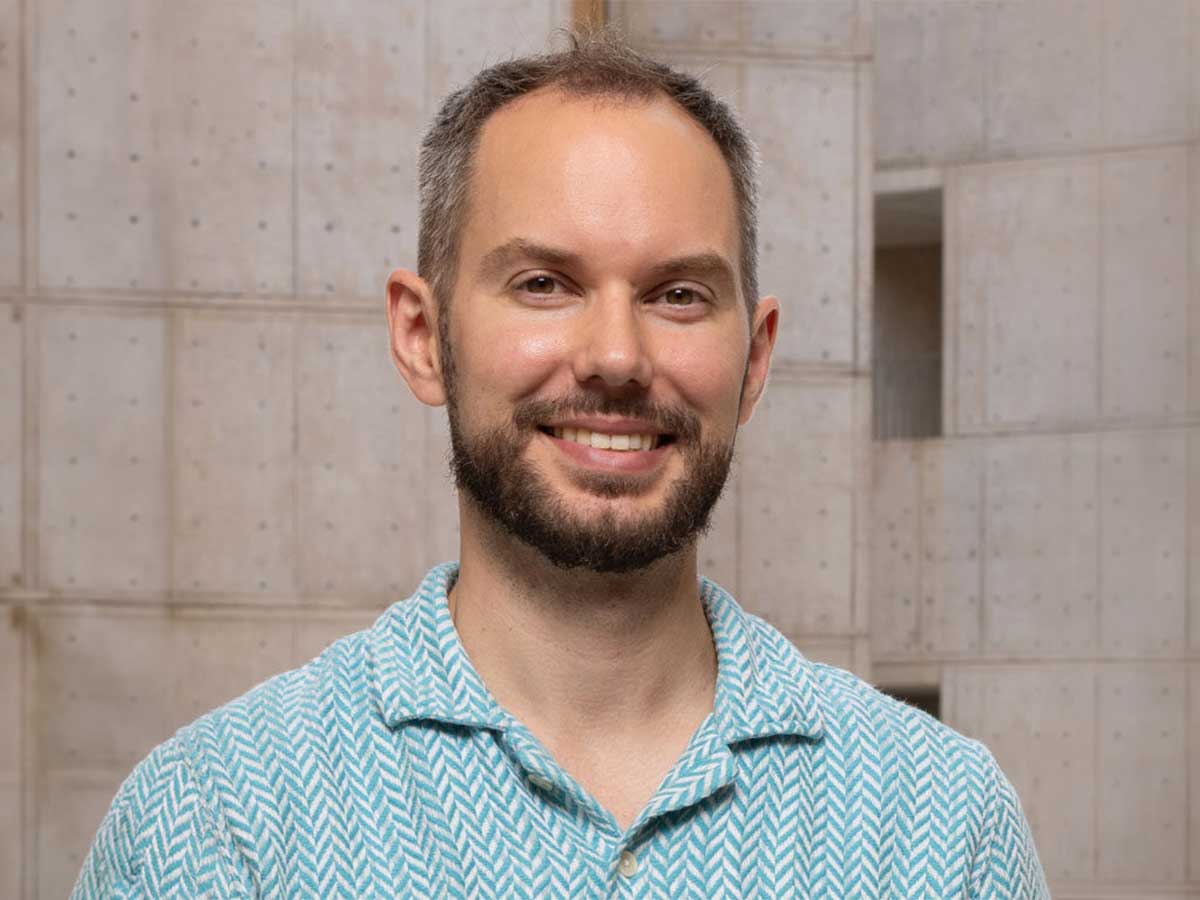
Timothy (Tim) Silas Strutzenberg is a NOMIS–Salk Fellow at the Salk Institute for Biological Studies in La Jolla, US, where he is conducting research under the mentorship of Dmitry Lyumkis.
NOMIS Fellow 2025-26
Salk Institute for Biological Studies
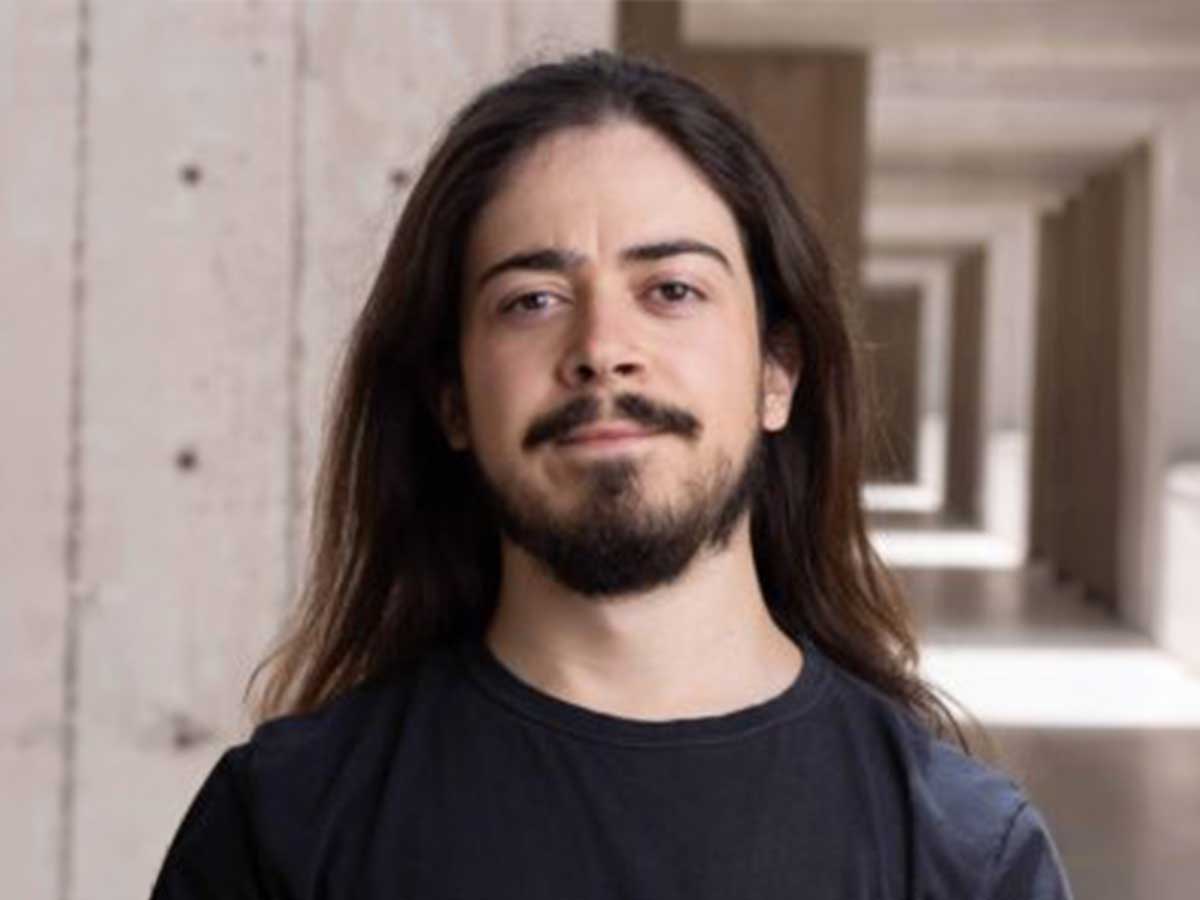
Eduardo Vieira de Souza is a NOMIS–Salk Fellow at the Salk Institute for Biological Studies in La Jolla, US, where he is conducting his research under the mentorship of Alan Saghatelian in the Peptide Biology Laboratory.
NOMIS Fellow 2025-27
Salk Institute for Biological Studies

Nicola Allen is associate professor at the Salk Institute for Biological Studies (La Jolla, US). She is co-leading the Neuroimmunology Initiative at Salk's NOMIS Center for Immunobiology and Microbial Pathogenesis.
Associate professor
Salk Institute for Biological Studies
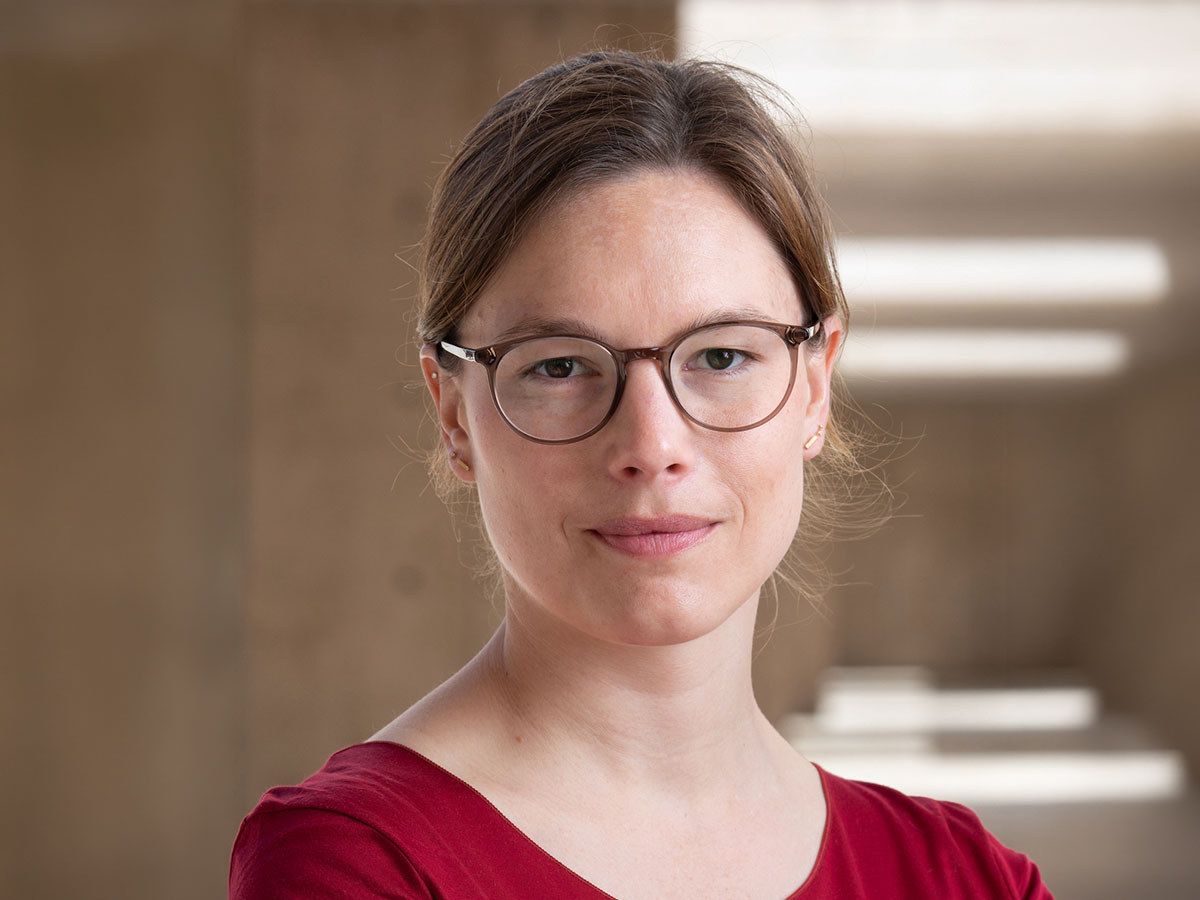
About Anna-Maria Globig Anna-Maria Globig is a NOMIS Center Postdoctoral Fellow at the Salk Institute for Biological Studies (La Jolla, USA). Globig was born and raised in Germany and obtained her medical degree from the Albert-Ludwigs-University in Freiburg im Breisgau. During her doctoral thesis, she investigated the immunological pathogenesis of inflammatory bowel disease. After receiving […]
NOMIS Fellow 2023-25
Salk Institute for Biological Studies
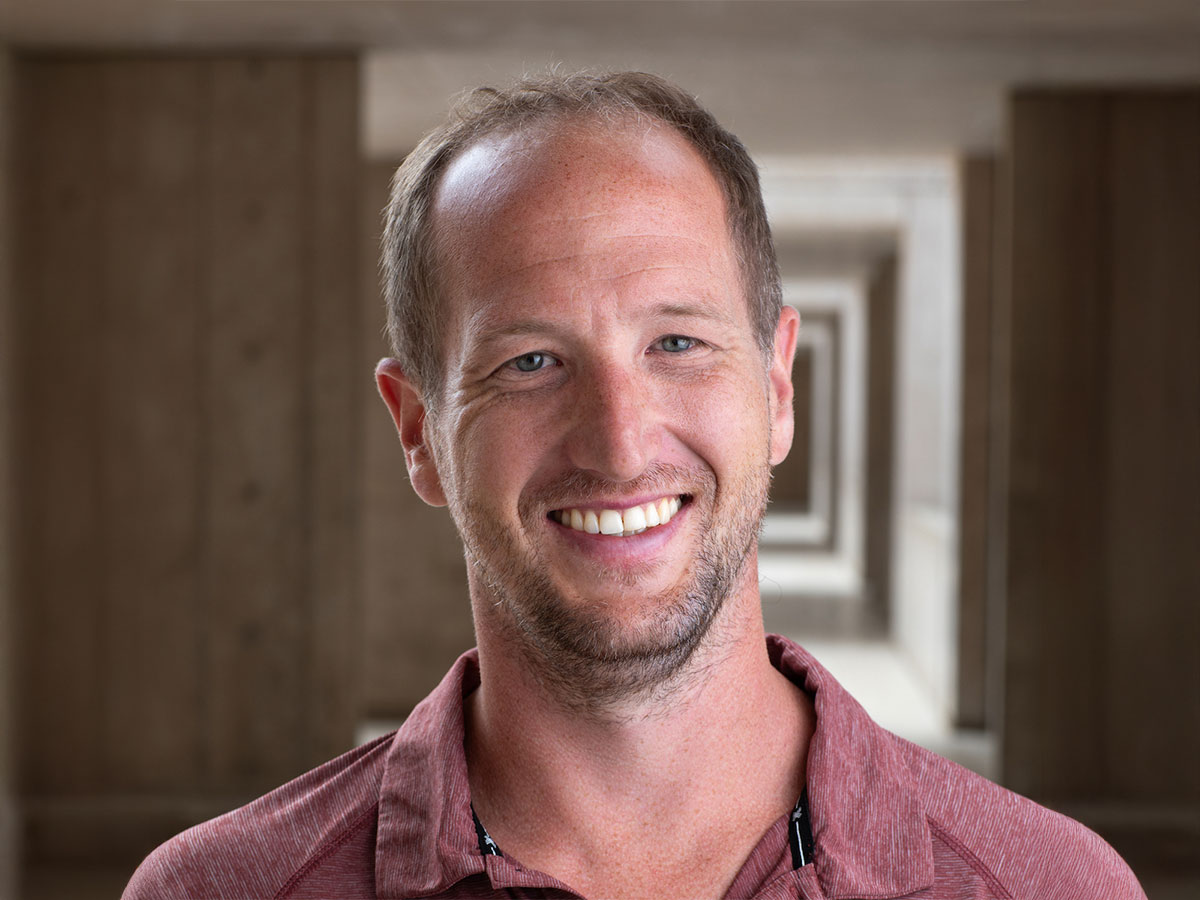
About Jeremiah Minich Jeremiah “Jake” Minich is a NOMIS–Salk Fellow at the Salk Institute for Biological Studies (La Jolla, US). Minich was born and raised in a rural part of central Pennsylvania (Appalachia; US). He received a BS in biochemistry and minor in Spanish from Point Loma Nazarene University in San Diego, US, and an […]
NOMIS Fellow 2023-25
Salk Institute for Biological Studies
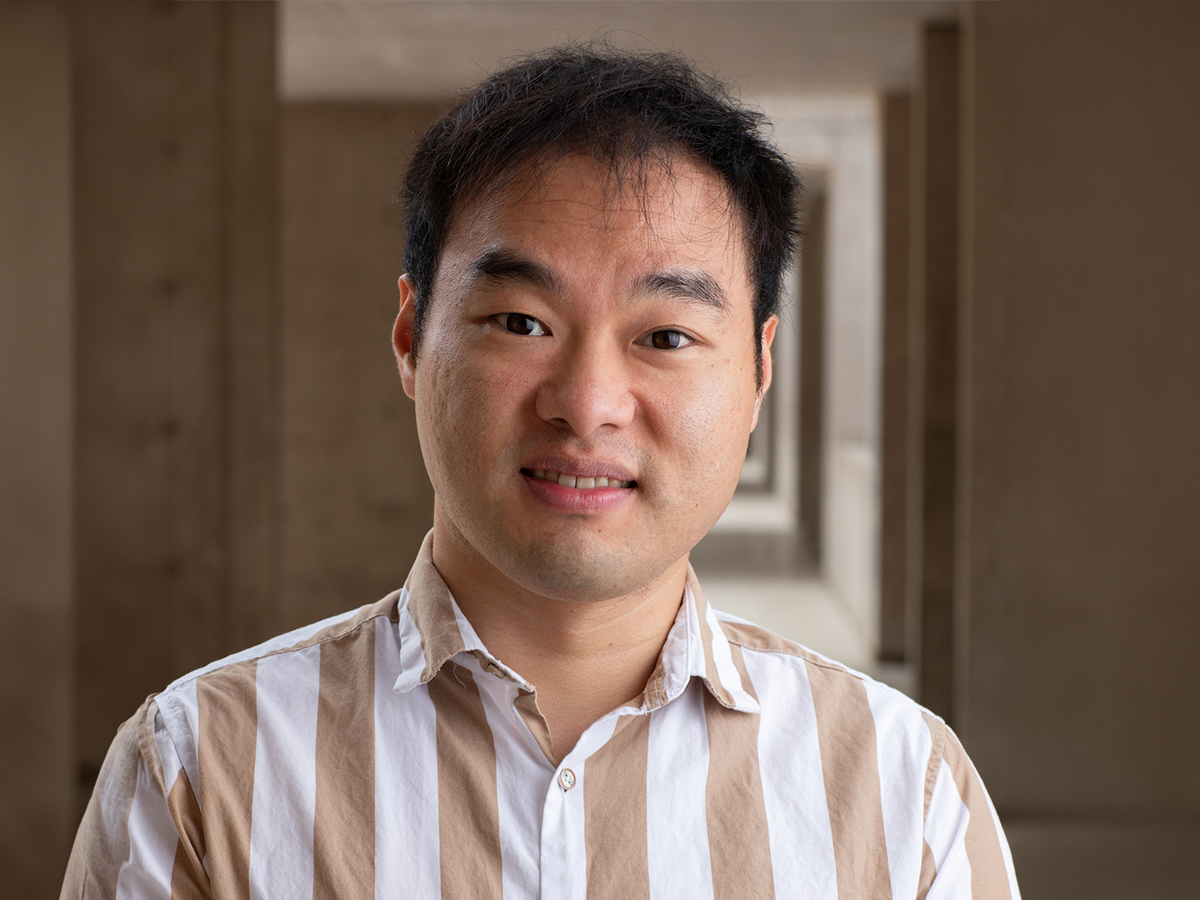
About Yuan Sui Yuan Sui is a NOMIS–Salk Fellow at the Salk Institute for Biological Studies (La Jolla, US). Originally from China, Sui earned his BS in Bioengineering from Jilin Agricultural University (China). His commitment to research led him to serve as a research volunteer and later a research assistant at Jilin University, where he focused on PTPN12 in […]
NOMIS Fellow 2023-25
Salk Institute for Biological Studies

About Deepshika Ramanan Deepshika Ramanan is assistant professor in the NOMIS Center for Immunobiology and Microbial Pathogenesis at the Salk Institute for Biological Studies (La Jolla, US). Ramanan is an immunologist that studies the biology of maternal-offspring relationships, like how maternal microbiota, diet, and environment can shape a newborn’s immune development, and influence their long-term […]
Assistant professor
Salk Institute for Biological Studies
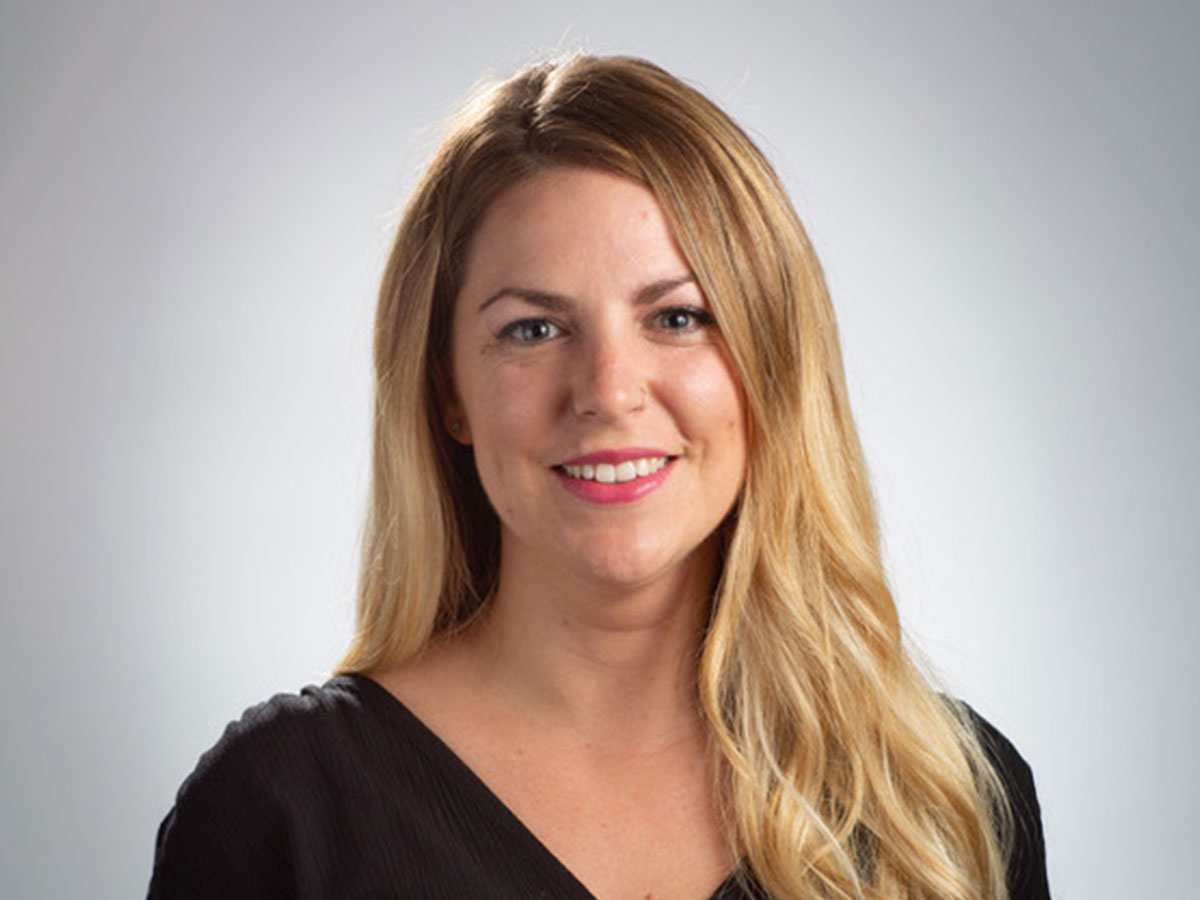
About Lidia Jiménez Lidia Jiménez is a NOMIS–Salk Fellow at the Salk Institute for Biological Studies (La Jolla, US). Jiménez was born in Spain and obtained a BS in pharmaceutical sciences in 2010 and an MSc in regenerative biomedicine in 2012 from the University of Granada (Spain). She obtained a PhD in molecular biosciences from […]
NOMIS Fellow 2021-23
Salk Institute for Biological Studies
About Andre Mu Andre Mu is a NOMIS–Salk Fellow at the Salk Institute for Biological Studies (La Jolla, US). Mu was born in Australia, and obtained his doctoral degree from the University of Melbourne in interdisciplinary sciences. There, he was awarded a competitive fellowship from the Natural Sciences and Engineering Research Council of Canada to […]
NOMIS Fellow 2020-21
Salk Institute for Biological Studies
9 of 24 People
Publications
Fluoxetine promotes IL-10–dependent metabolic defenses to protect from sepsis-induced lethality
Selective serotonin reuptake inhibitors (SSRIs) are some of the most prescribed drugs in the world. While they are used for their ability to increase serotonergic signaling in the brain, SSRIs are also known to have a broad range of effects beyond the brain, including immune and metabolic effects. Recent studies have demonstrated that SSRIs are protective in animal models and humans against several infections, including sepsis and COVID-19; however, the mechanisms underlying this protection are largely unknown. Here, we mechanistically link two previously described effects of the SSRI fluoxetine in mediating protection against sepsis. We show that fluoxetine-mediated protection is independent of peripheral serotonin and instead increases levels of circulating interleukin-10 (IL-10). IL-10 is necessary for protection from sepsis-induced hypertriglyceridemia, preventing cardiac effects including impairment of glucose oxidation, ectopic lipid accumulation, ventricular stretch and possibly cardiac failure. Our work reveals a beneficial “off-target” effect of fluoxetine, and reveals a protective immunometabolic defense mechanism with therapeutic potential.
Research Fields
Biochemistry & Molecular Biology, Biomedical Research, Clinical Medicine, Health Sciences, Immunology, Microbiology, Pharmacology & Pharmacy

Bile acid synthesis impedes tumor-specific T cell responses during liver cancer
The metabolic landscape of cancer greatly influences antitumor immunity, yet it remains unclear how organ-specific metabolites in the tumor microenvironment influence immunosurveillance. We found that accumulation of primary conjugated and secondary bile acids (BAs) are metabolic features of human hepatocellular carcinoma and experimental liver cancer models. Inhibiting conjugated BA synthesis in hepatocytes through deletion of the BA-conjugating enzyme bile acid–CoA:amino acid N-acyltransferase (BAAT) enhanced tumor-specific T cell responses, reduced tumor growth, and sensitized tumors to anti–programmed cell death protein 1 (anti–PD-1) immunotherapy. Furthermore, different BAs regulated CD8+ T cells differently; primary BAs induced oxidative stress, whereas the secondary BA lithocholic acid inhibited T cell function through endoplasmic reticulum stress, which was countered by ursodeoxycholic acid. We demonstrate that modifying BA synthesis or dietary intake of ursodeoxycholic acid could improve tumor immunotherapy in liver cancer model systems.
Research Fields
Biochemistry & Molecular Biology, Biomedical Research, Immunology, Microbiology, Oncology & Carcinogenesis

Astrocytes in aging
The mammalian nervous system is impacted by aging. Aging alters brain architecture, is associated with molecular damage, and can manifest with cognitive and motor deficits that diminish the quality of life. Astrocytes are glial cells of the CNS that regulate the development, function, and repair of neural circuits during development and adulthood; however, their functions in aging are less understood. Astrocytes change their transcriptome during aging, with astrocytes in areas such as the cerebellum, the hypothalamus, and white matter-rich regions being the most affected. While numerous studies describe astrocyte transcriptional changes in aging, many questions still remain. For example, how is astrocyte function altered by transcriptional changes that occur during aging? What are the mechanisms promoting astrocyte aged states? How do aged astrocytes impact brain function? This review discusses features of aged astrocytes and their potential triggers and proposes ways in which they may impact brain function and health span.
Research Fields
Clinical Medicine, Health Sciences, Immunology, Neurology & Neurosurgery
3 of 3 Publications
News

January 23, 2026
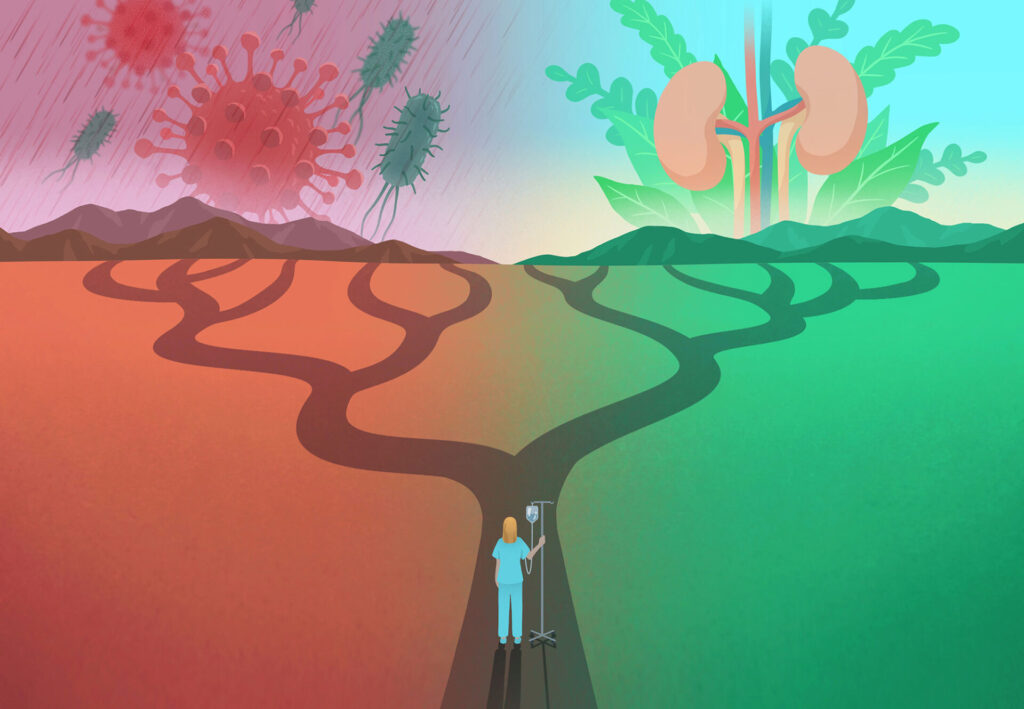
Could a dietary supplement make the difference between life and death during illness?
Inflammation is a critical aspect of the body’s immune response. However, some infections can provoke excessive inflammation, leading to tissue damage or even death. NOMIS researcher Janelle Ayres and Salk Institute scientists uncovered a key role the kidneys play in clearing inflammation from the body, showing that an amino acid supplement protects mice against inflammation-related injury and […]

January 14, 2026
Should younger and older people receive different treatments for the same infection?
NOMIS researcher Janelle Ayres and Salk Institute scientists find the mechanisms young mice use to fight sepsis become disadvantageous in older age, suggesting age-specific treatments may be necessary in ongoing antibiotic resistance crisis. Their findings were published in Nature. Dealing with an infection isn’t as straightforward as simply killing the pathogen. The body also needs […]

September 9, 2025
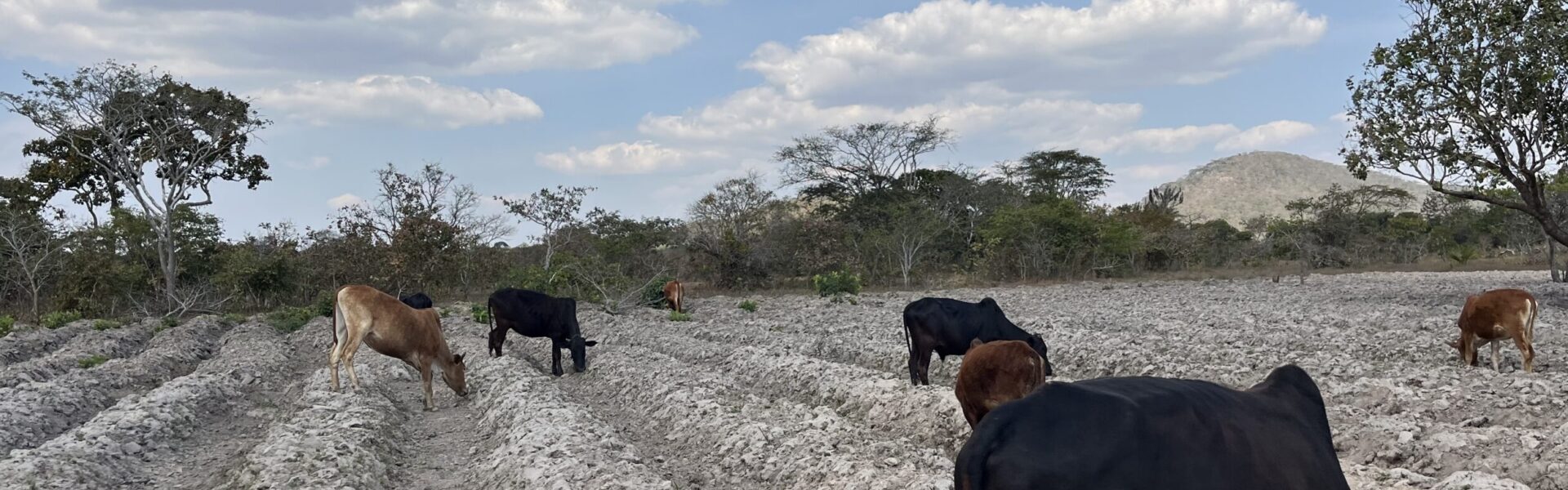
Can a healthy gut microbiome help prevent childhood stunting?
Former NOMIS–Salk Fellow Jeremiah Minich, together with other Salk Institute researchers, have discovered that gut microbiome turnover in children is linked to poor growth outcomes, pointing to microbiome-based diagnostics for malnutrition. Their findings were published in Cell. Malnutrition is responsible for more than half of all deaths in children under the age of five worldwide. […]
August 18, 2025
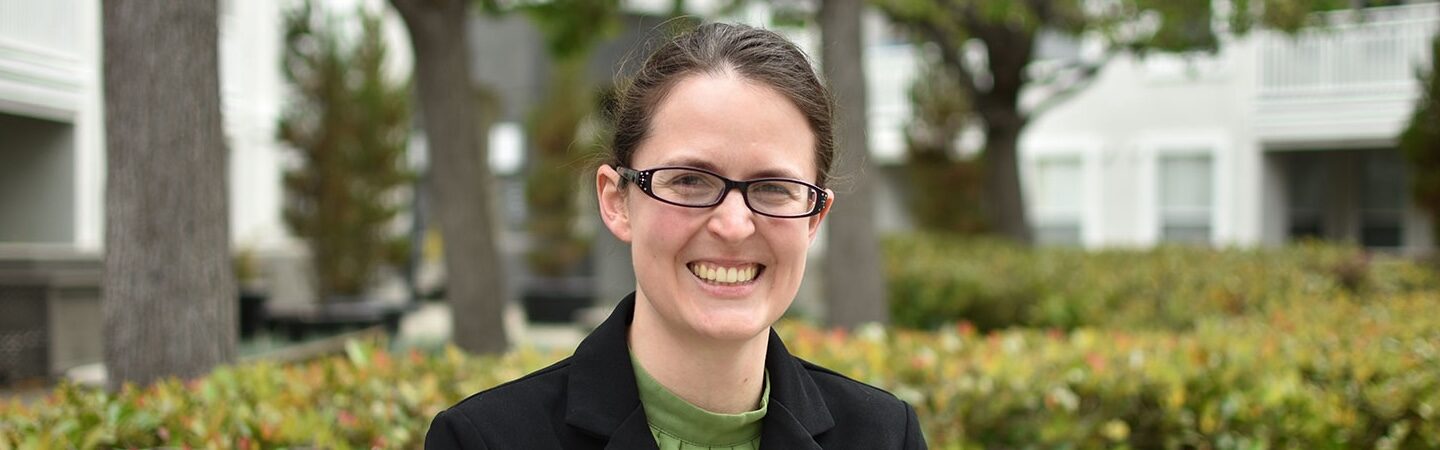
Immunologist Jamie Blum joins Salk Institute to study the immune system’s response to food
Joining the NOMIS Center for Immunobiology and Microbial Pathogenesis at the Salk Institute in La Jolla, US, immunologist Jamie Blum will explore how immune cells identify and respond to food compounds. The Salk Institute will welcome immunologist Jamie Blum as a NOMIS Assistant Professor in September 2025. Blum investigates how the immune system interprets what […]
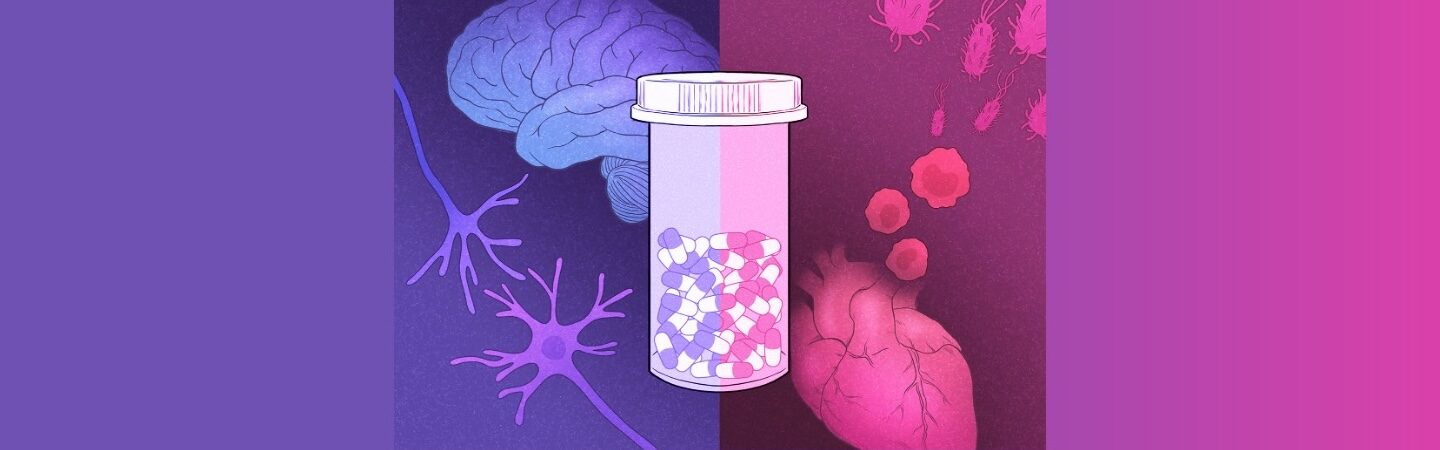
NOMIS researcher Janelle Ayres, together with a team of scientists at the Salk Institute, have discovered how the SSRI Prozac regulates the immune response and prevents sepsis in mice, demonstrating a potential new use for the antidepressant. Their findings were published in Science Advances. Antidepressants like Prozac are commonly prescribed to treat mental health disorders, […]
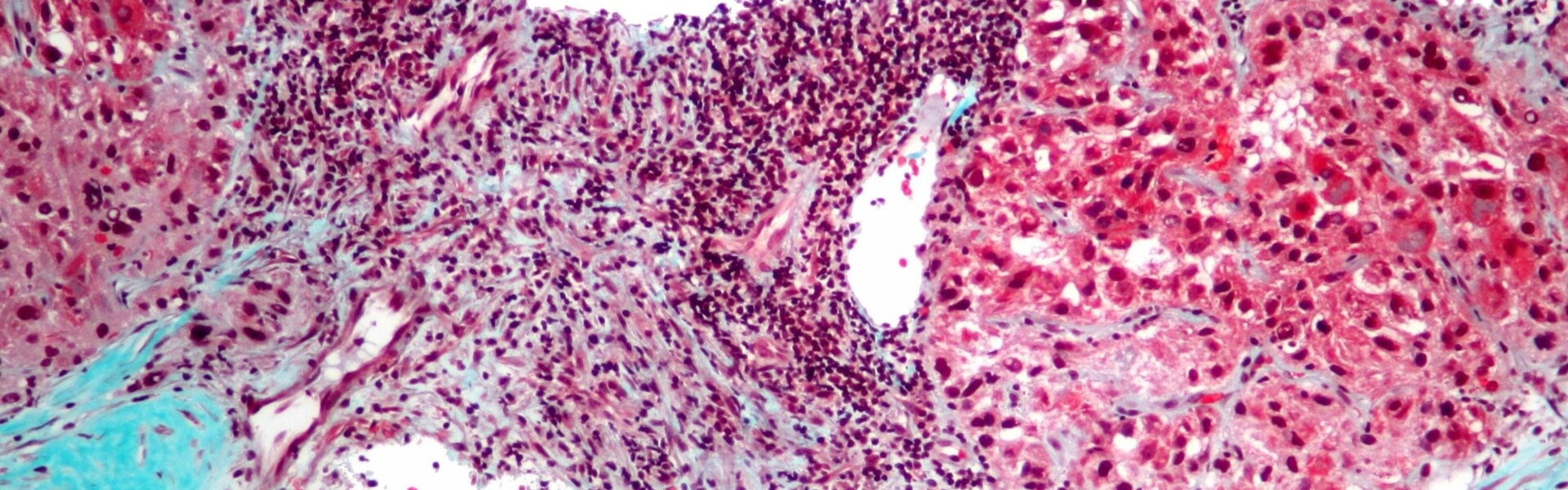
Scientists at the Salk Institute — including Director of the NOMIS Center for Immunobiology and Microbial Pathogenesis Susan Kaech, NOMIS researcher Gerald Shadel, former NOMIS Fellow Siva Karthik Varanasi and NOMIS Fellow Dan Chen — have discovered that removing the bile acid–creating protein BAAT and adding the bile acid UDCA controls tumor growth in mice […]
June 20, 2024
Salk Institute launches Neuroimmunology Initiative with $20 million gift from NOMIS Foundation
The Salk Institute will receive $20 million over four years from the NOMIS Foundation to launch a new Neuroimmunology Initiative within the Institute’s NOMIS Center for Immunobiology and Microbial Pathogenesis. By funding research programs, faculty recruitment, and pilot grants, the gift will enable Salk scientists to develop a deep understanding of the crosstalk between the […]
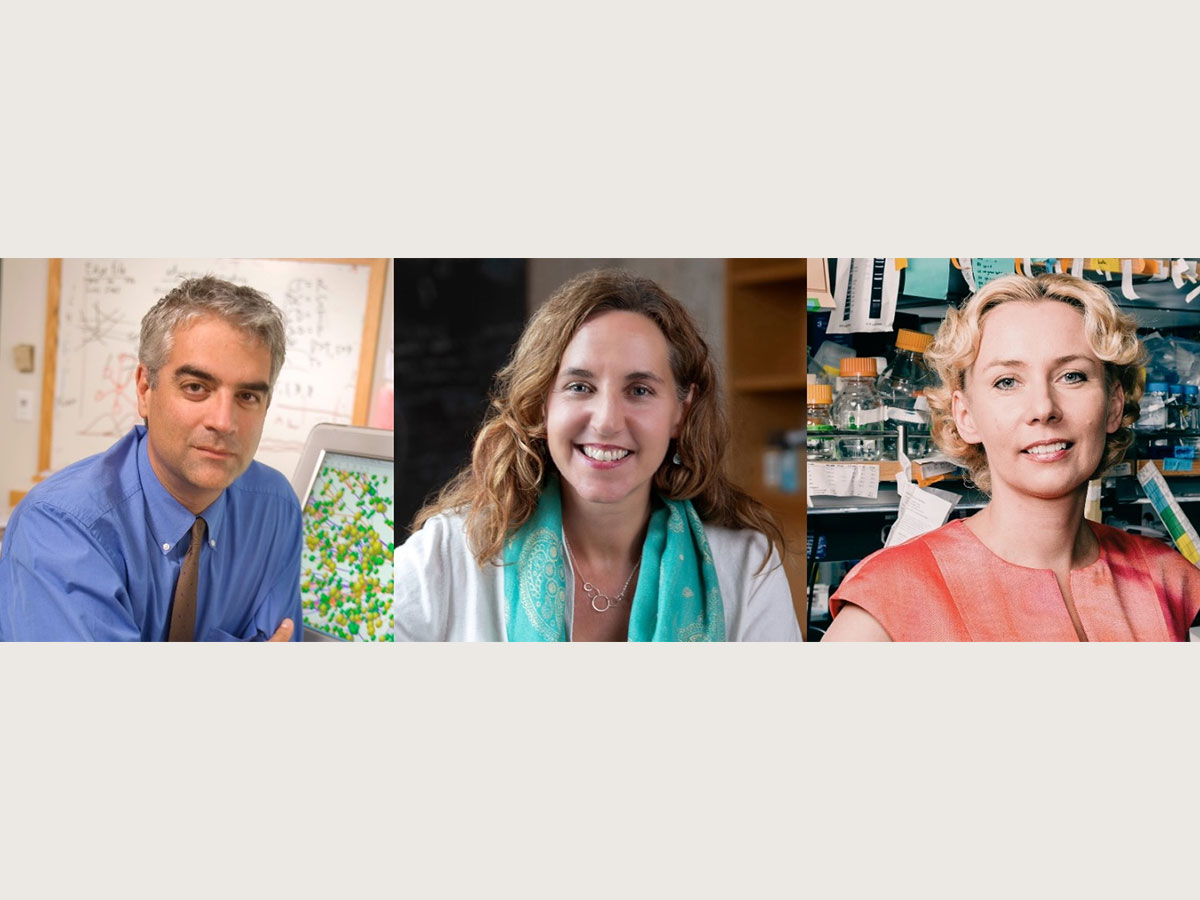

NOMIS Center for Immunobiology and Microbial Pathogenesis Director Susan Kaech and NOMIS researchers Nicholas Christakis and Joanna Wysocka have been elected to the US National Academy of Sciences. They are among 120 new members and 24 international members to be elected to the academy in recognition of their distinguished and continuing achievements in original research. The election […]
