Photo gallery

Published on
October 25, 2017
D.H. Chen Professor of Bioengineering and of Psychiatry and Behavioral Sciences
NOMIS Honorary Council member; director, Department of Evolutionary Genetics
D. H. Chen Professor II
Organization

NOMIS Distinguished Scientist Award 2017
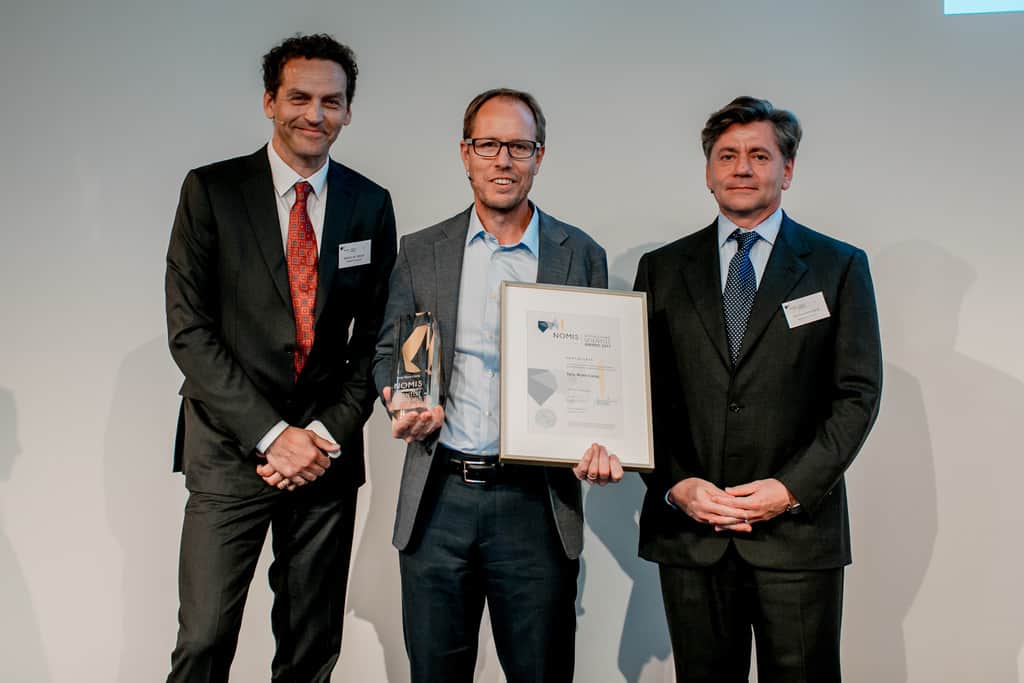
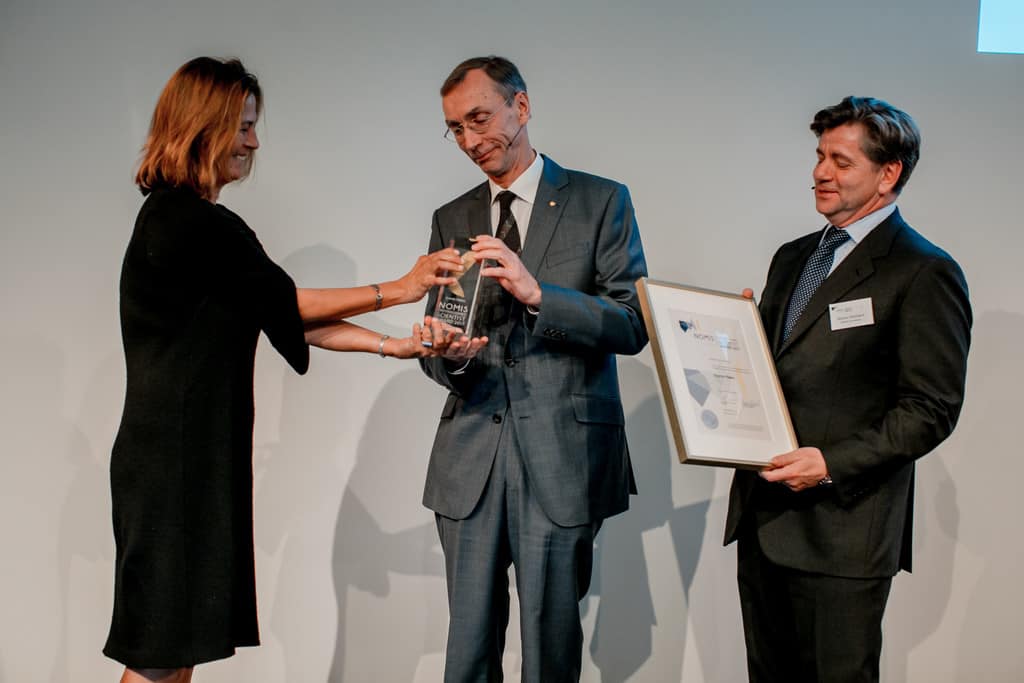
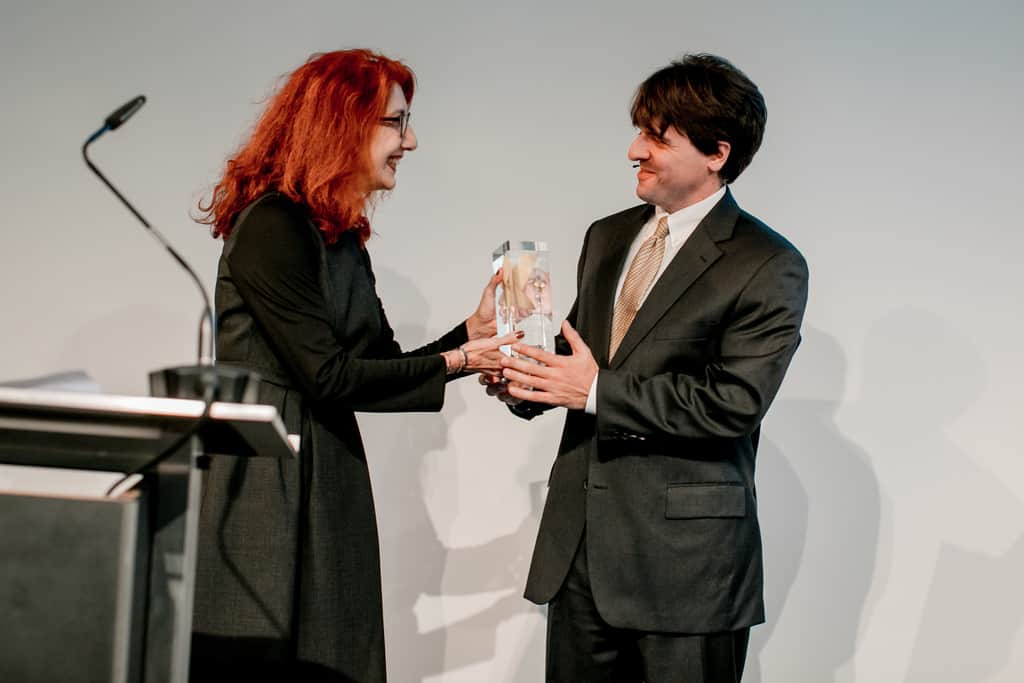
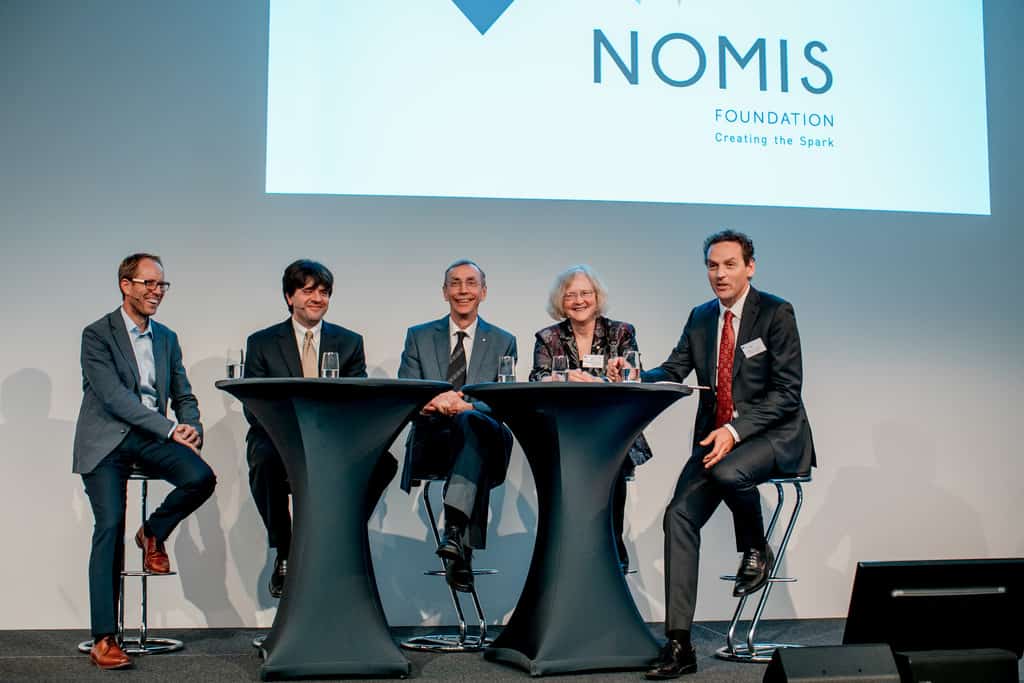
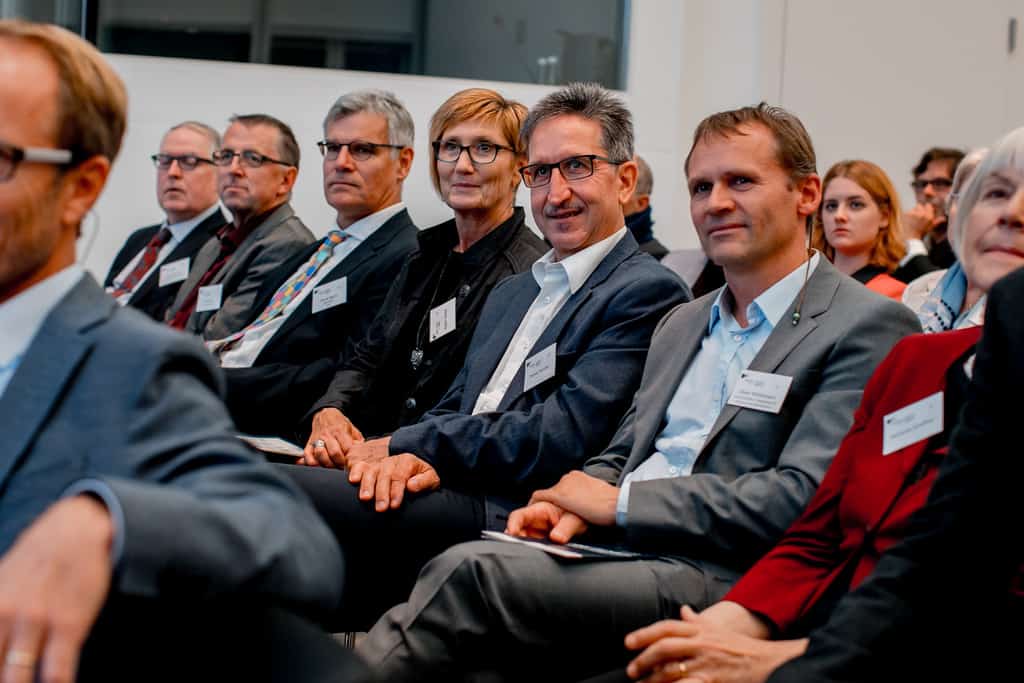
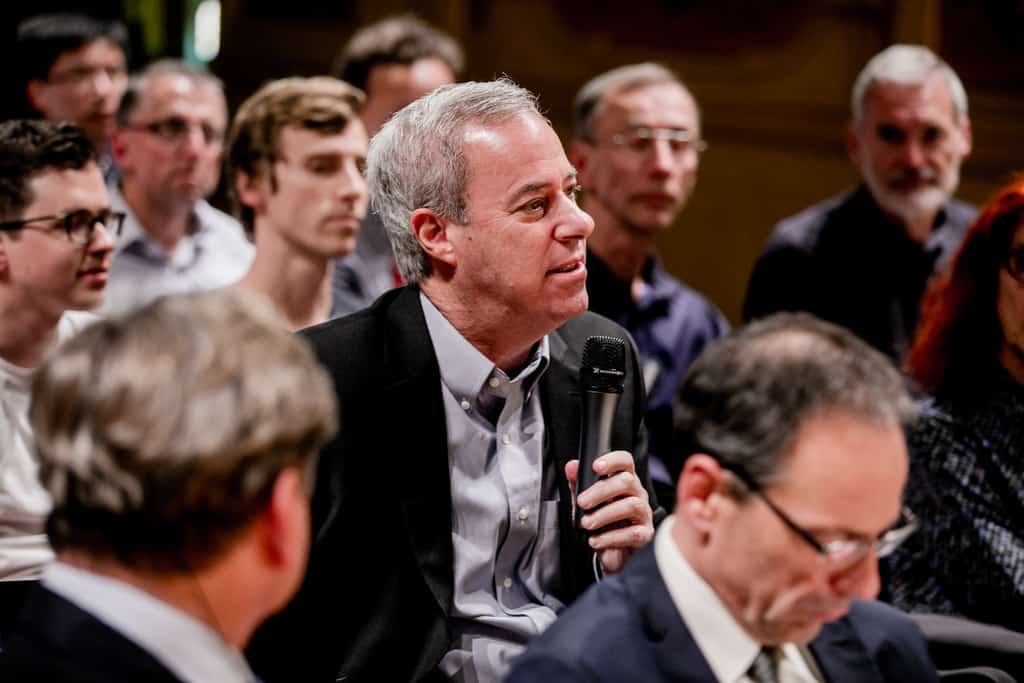
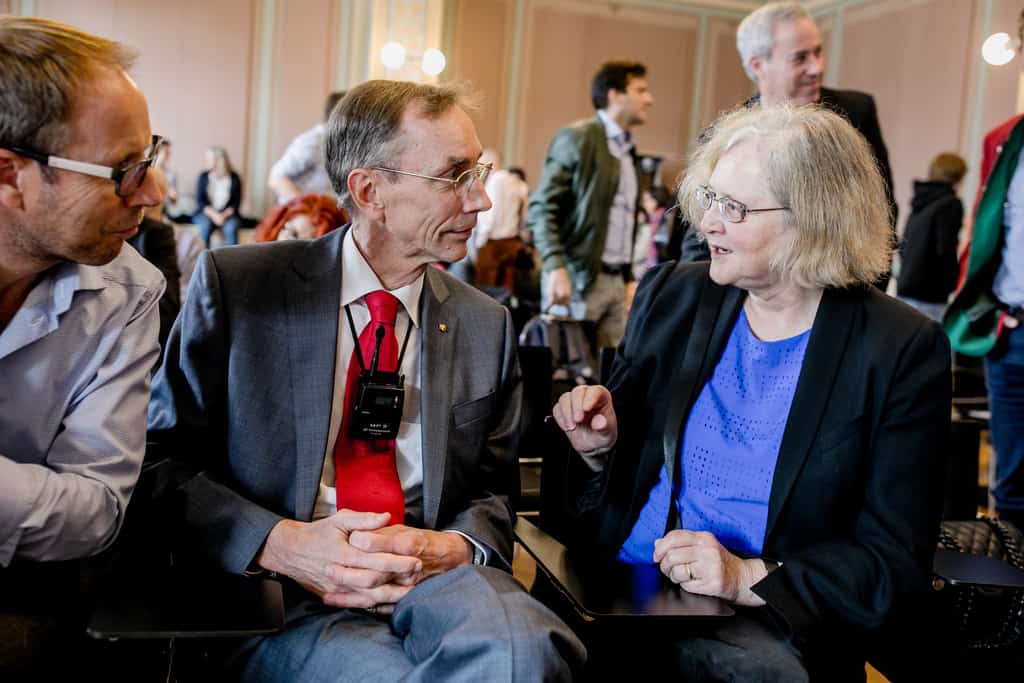
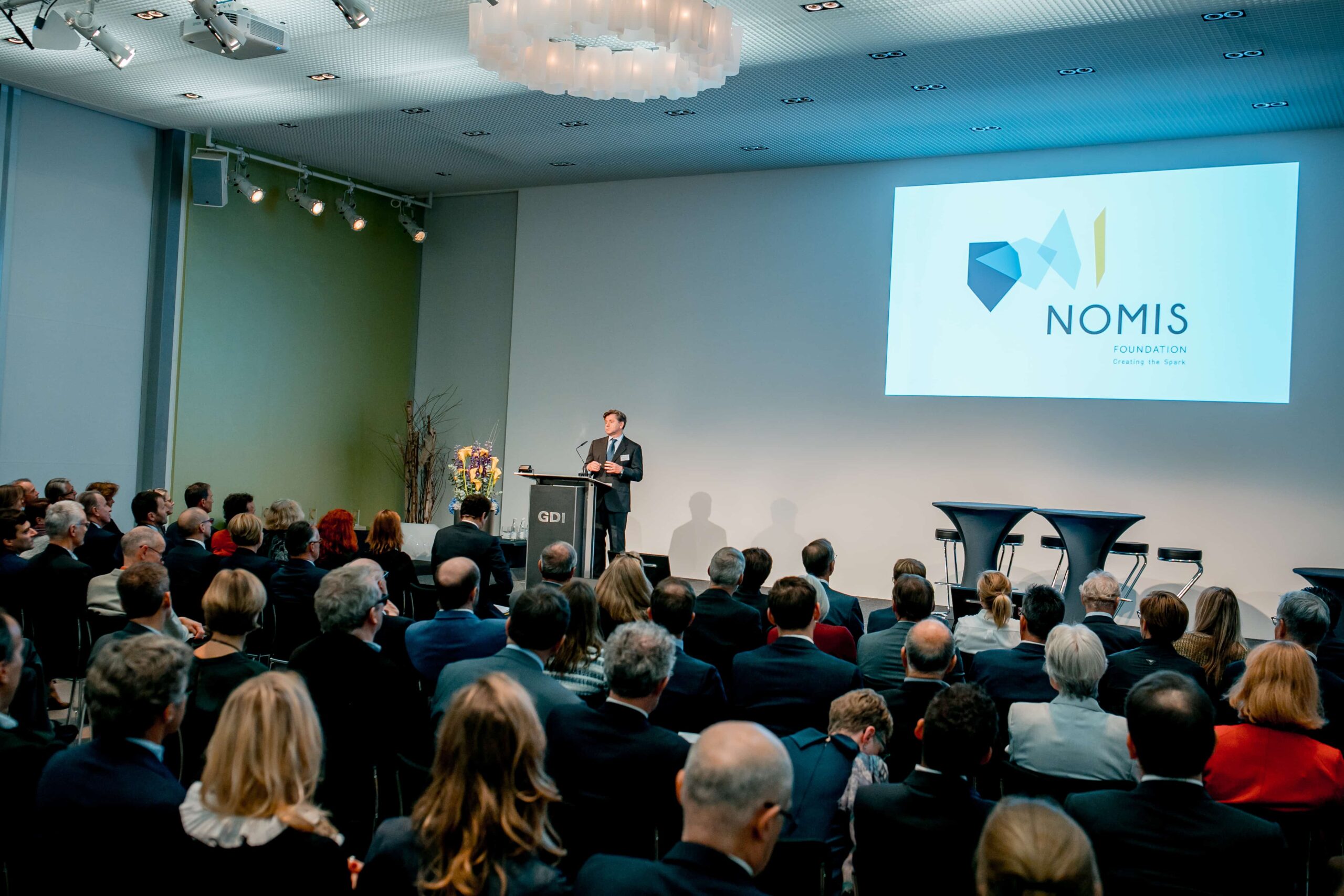
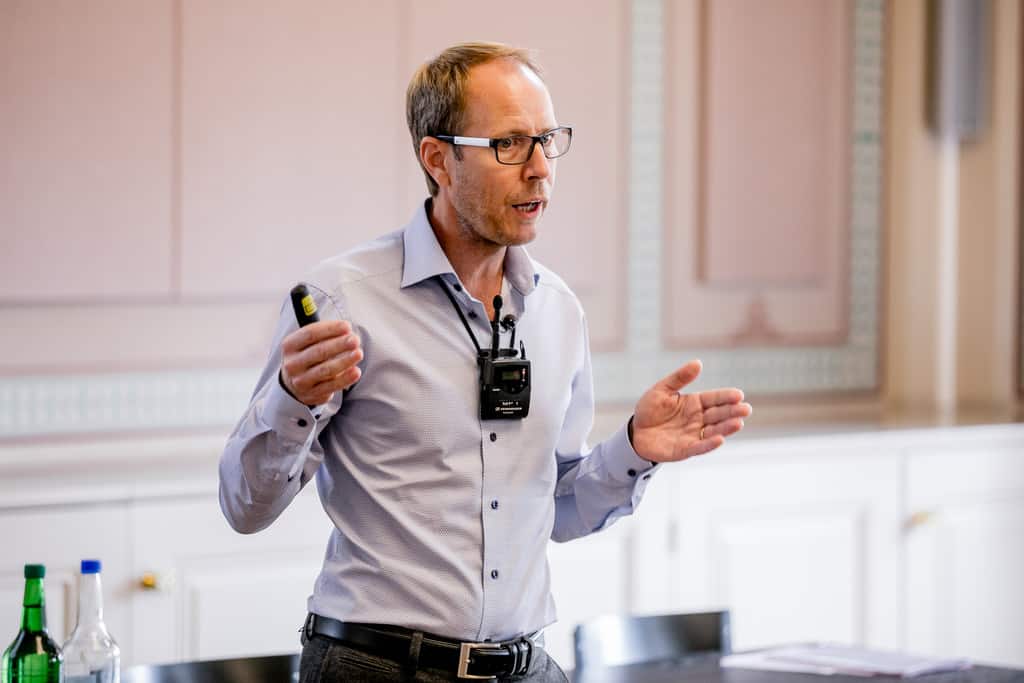
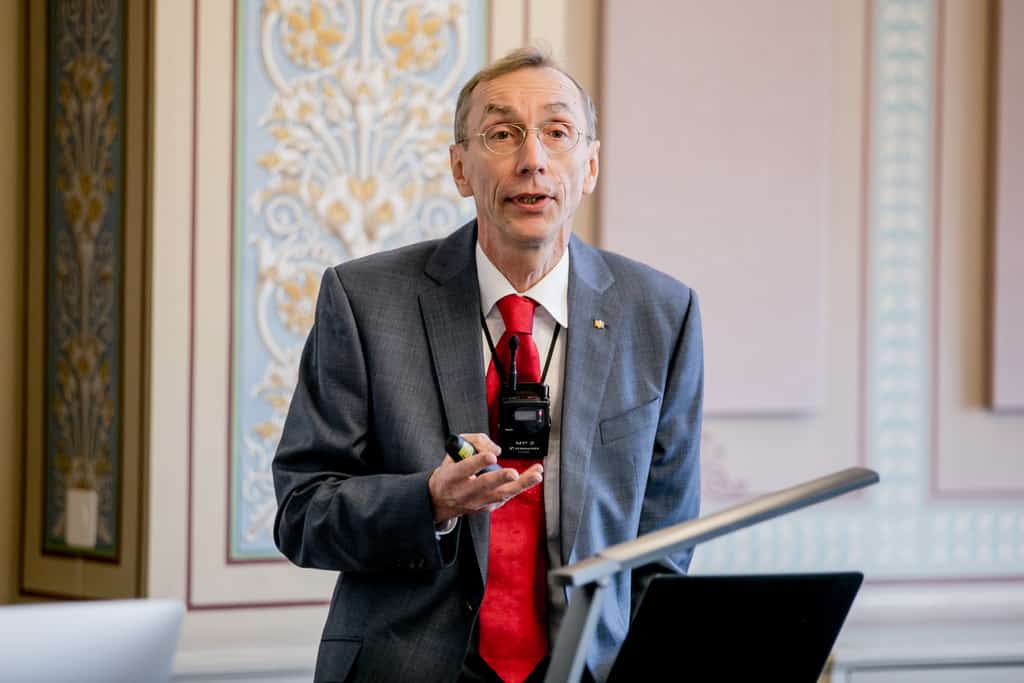

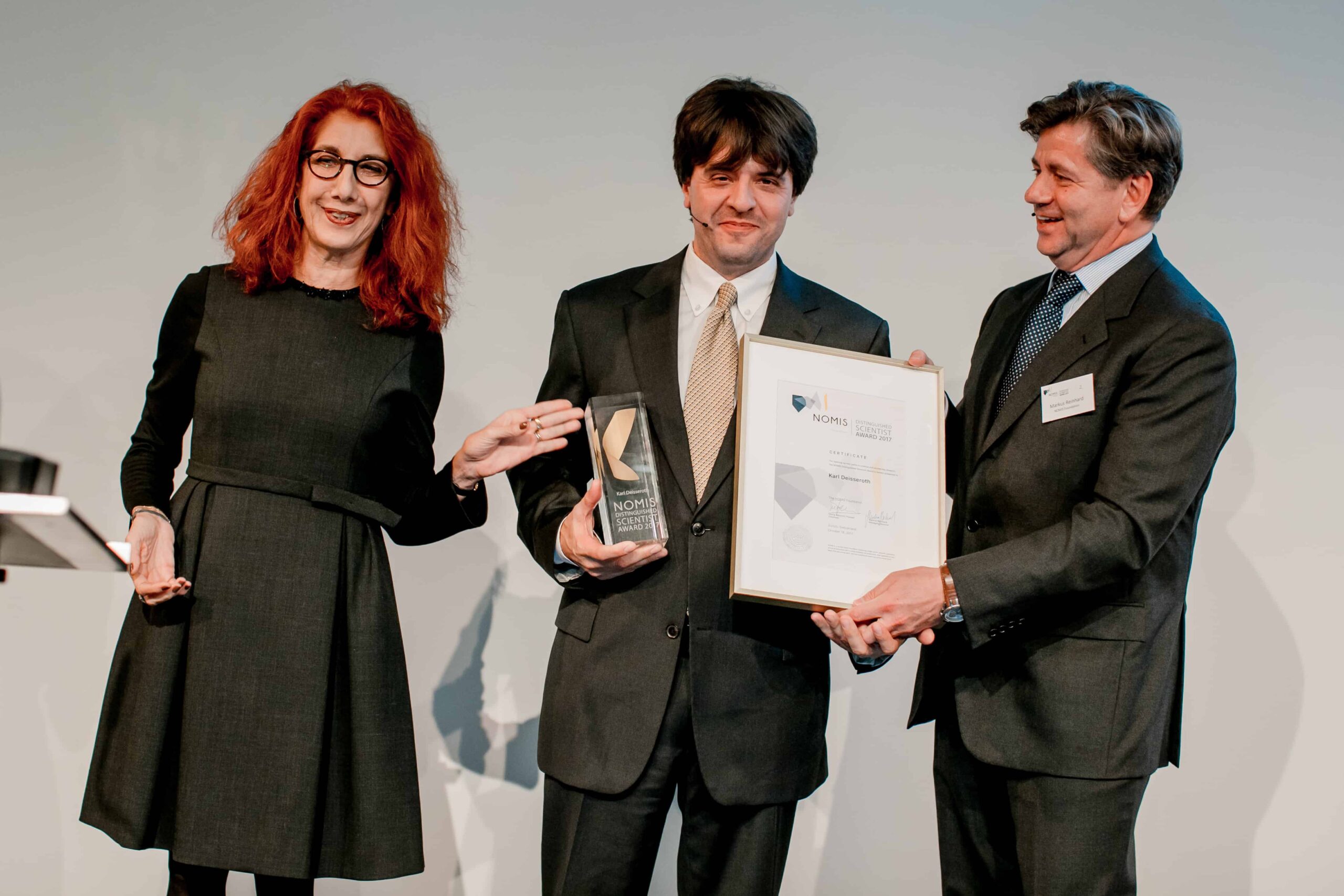


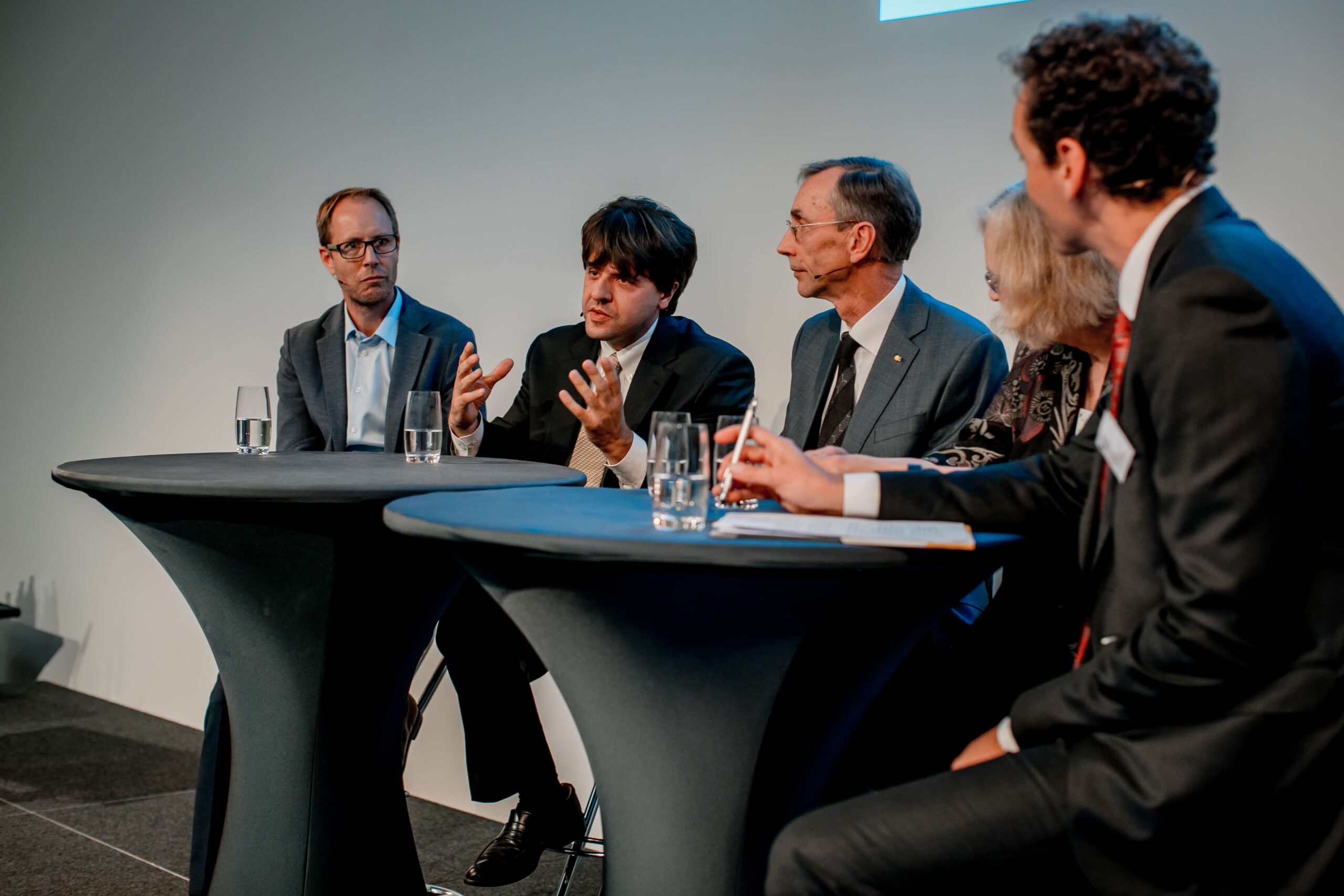
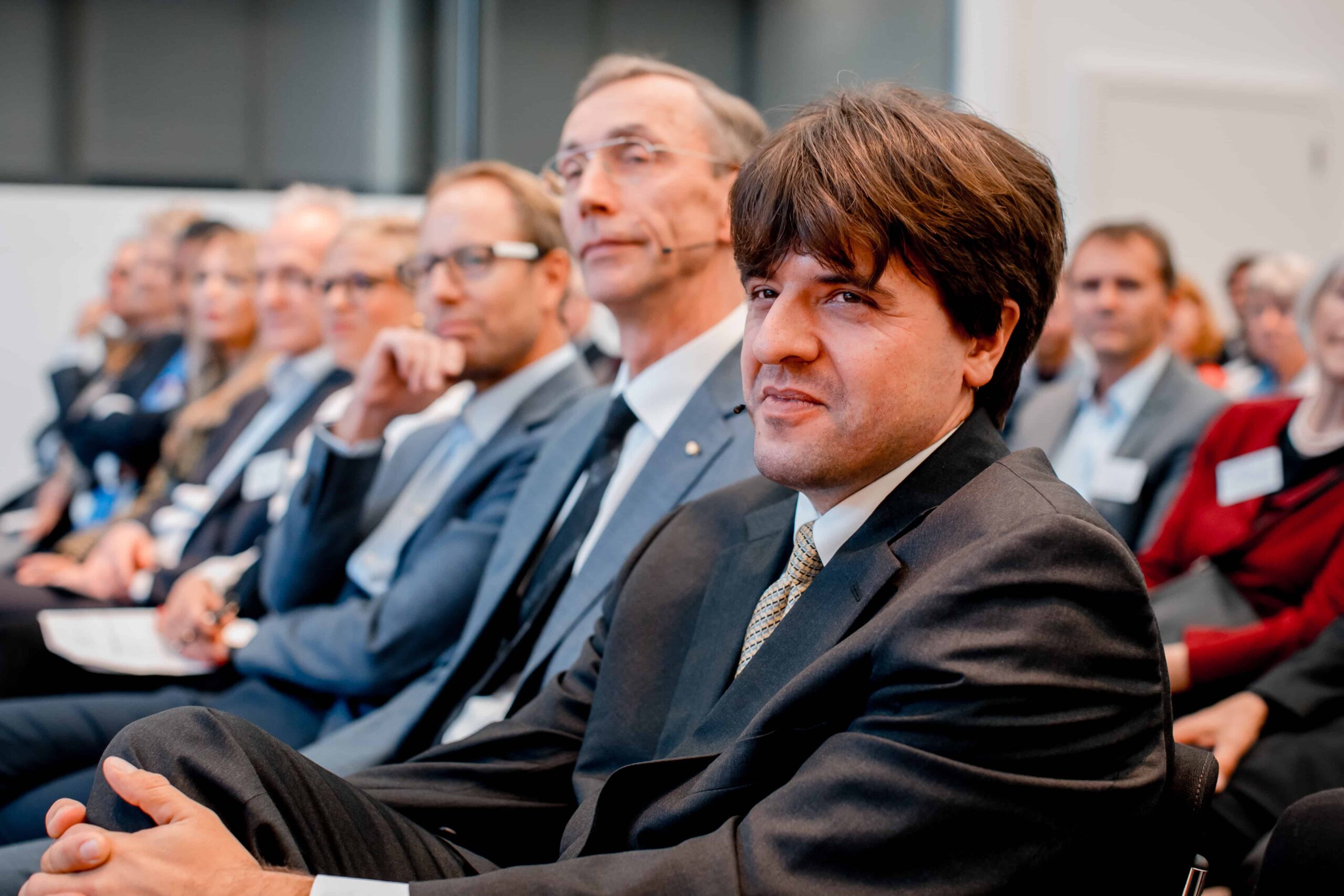
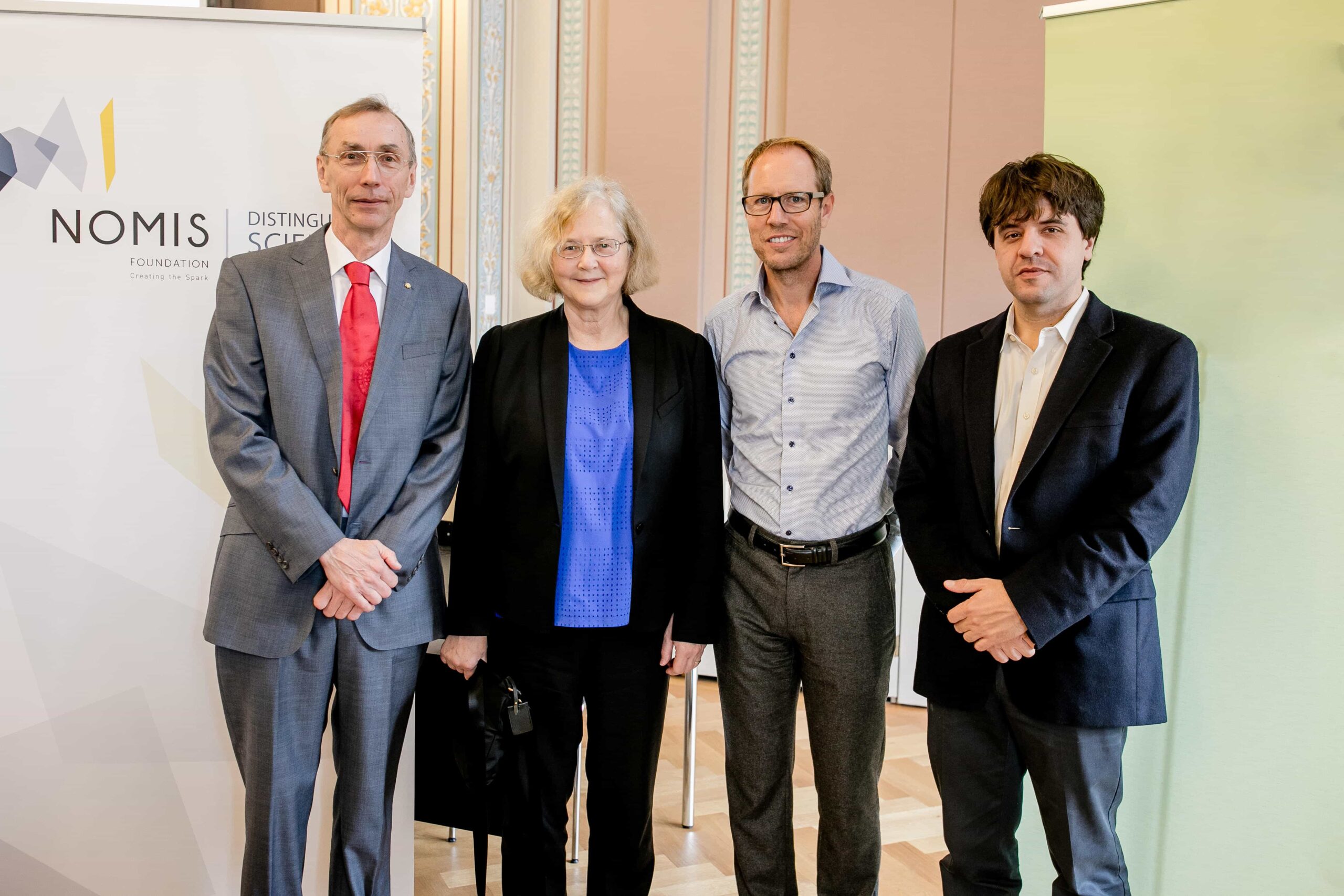
NOMIS researchers
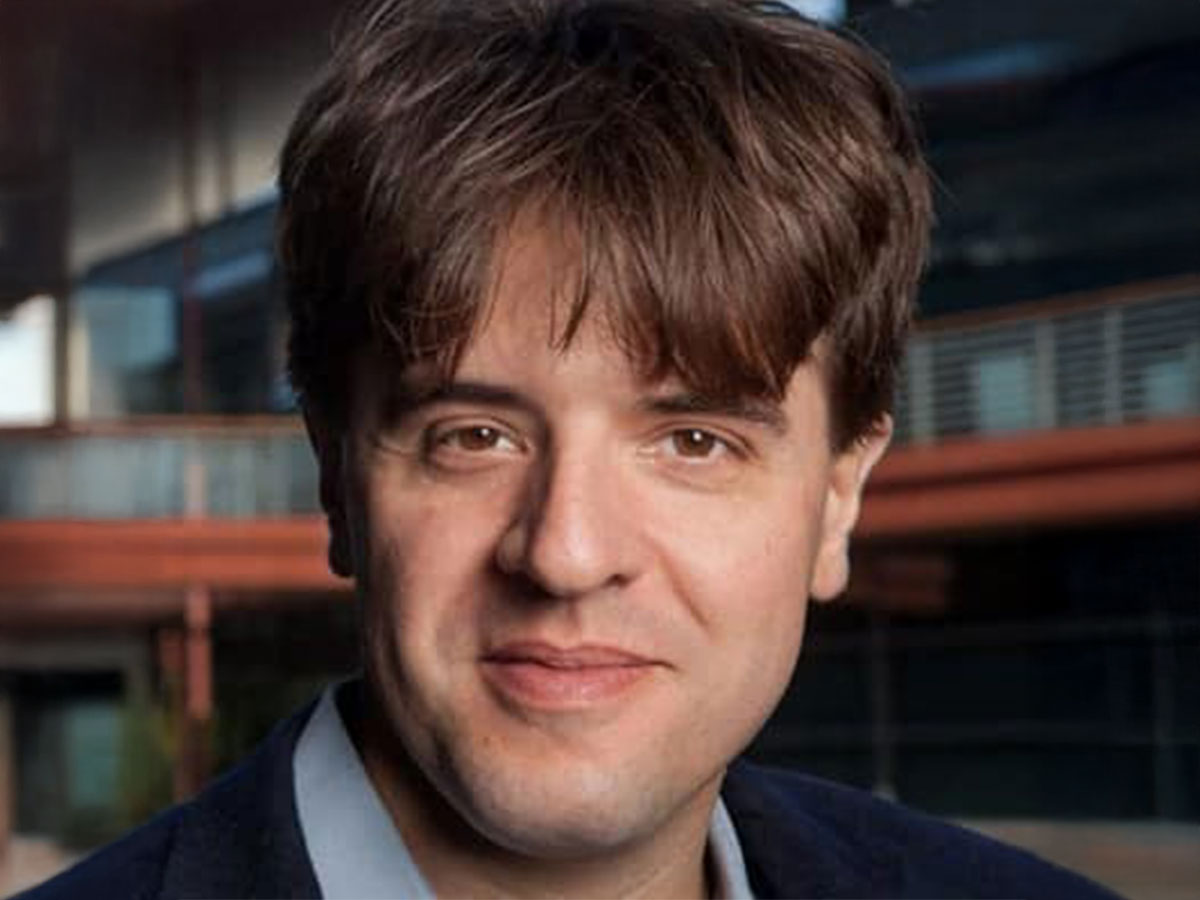
About Karl Deisseroth Karl Deisseroth is a 2017 NOMIS Awardee and has been the D.H. Chen Professor of Bioengineering and of Psychiatry and Behavioral Sciences at Stanford University (Stanford, US) since 2012. He led the project Discovering the Causal Principles Underlying Brain-Wide Dynamics. Born in Boston, US, Deisseroth studied biochemical science at Harvard University (Boston) […]
D.H. Chen Professor of Bioengineering and of Psychiatry and Behavioral Sciences
Stanford Medicine
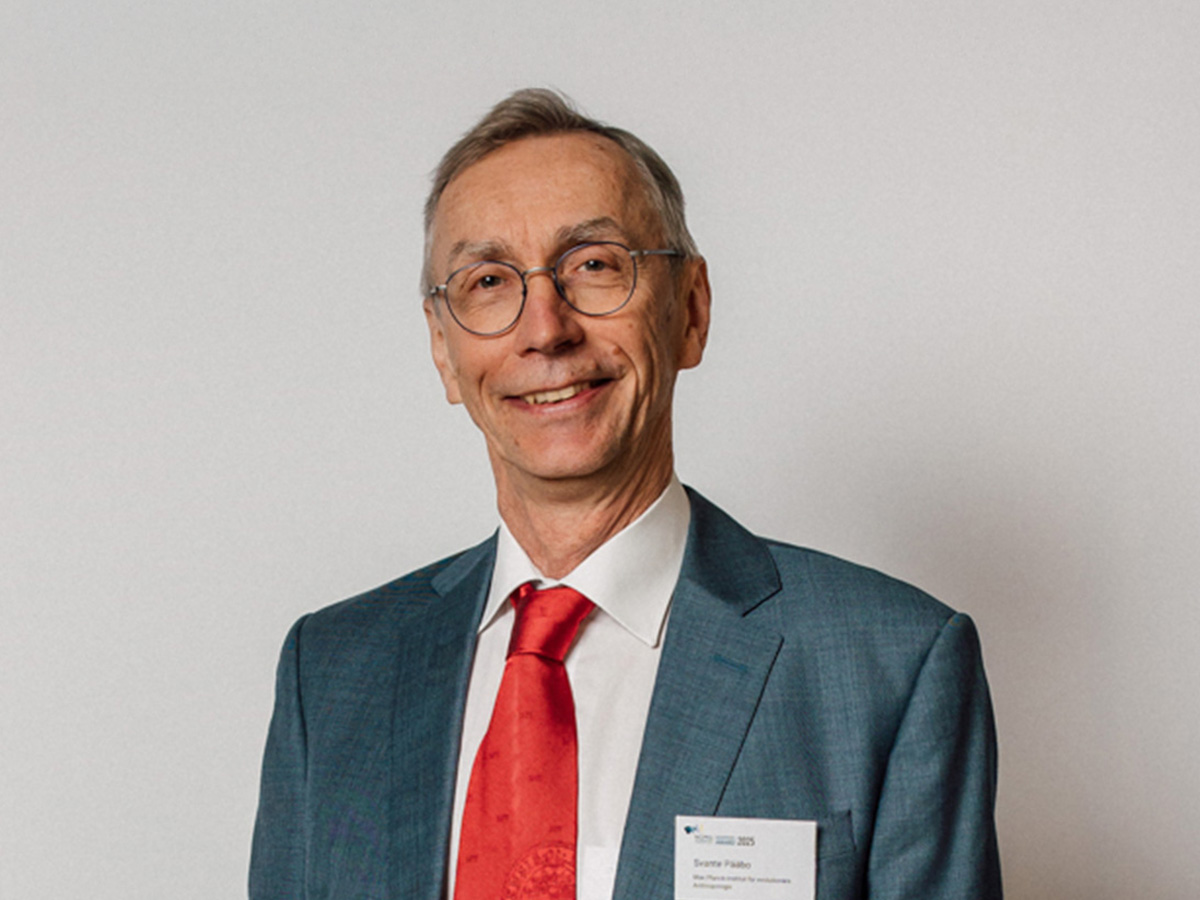
About Svante Pääbo Svante Pääbo is a 2017 NOMIS Awardee and has been director of the Department of Evolutionary Genetics at the Max Planck Institute for Evolutionary Anthropology (Leipzig, Germany) since 1997. Pääbo was born in Stockholm, Sweden. He earned his PhD from Uppsala University, Sweden, in 1986 and did postdoctoral research at the Department of Biochemistry […]
NOMIS Honorary Council member; director, Department of Evolutionary Genetics
Max Planck Institute for Evolutionary Anthropology
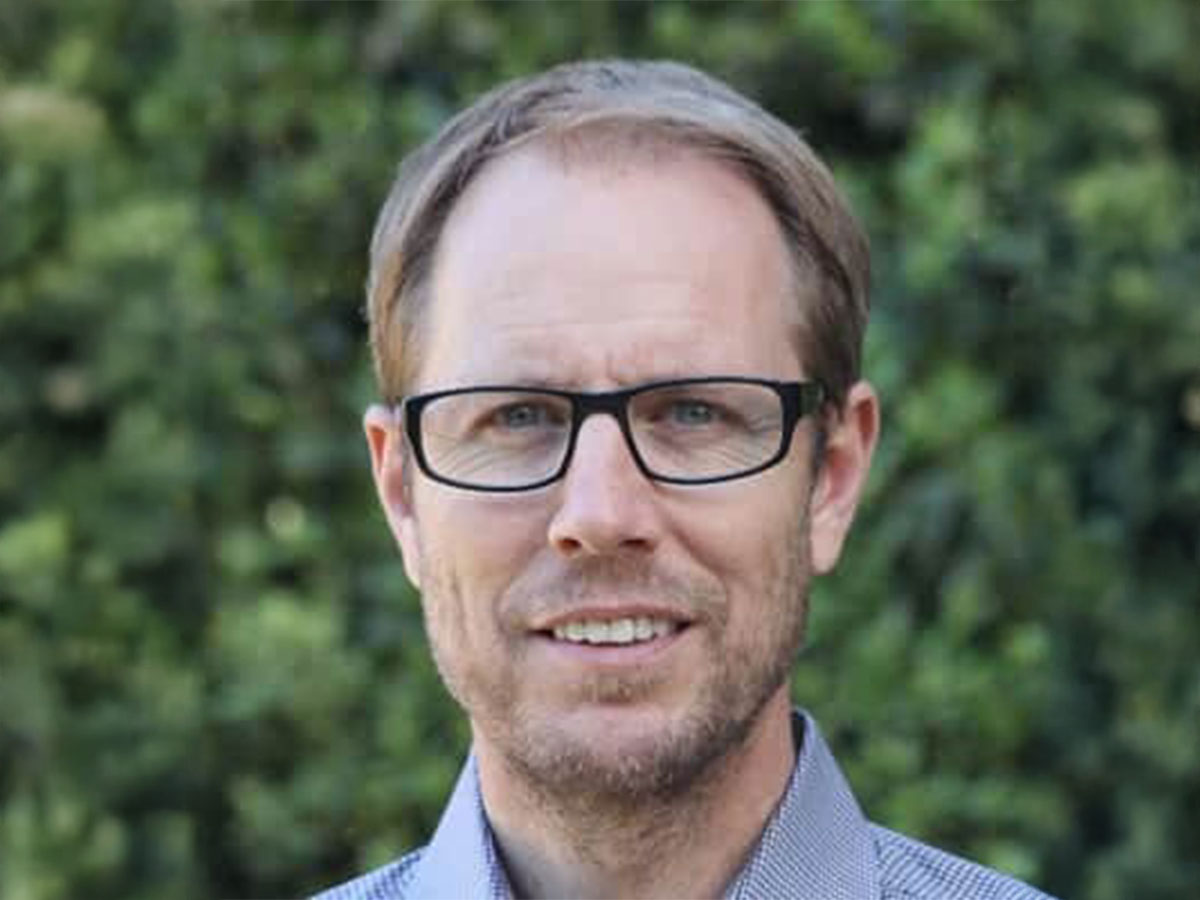
About Tony Wyss-Coray Tony Wyss-Coray is a 2017 NOMIS Awardee and has been professor of the Department of Neurology and Neurological Sciences at Stanford University (Stanford, US) since 2011 and the D. H. Chen Professor II at Stanford since 2018. He led the project COVID-19 and the Brain as well as the Brain Rejuvenation Factors […]
D. H. Chen Professor II
Stanford Medicine
NOMIS Project(s)
Brain Rejuvenation Factors From Blood
Brain aging results in cognitive decline and is the major cause of neurodegenerative diseases including Alzheimer’s, Parkinson’s, vascular dementia and stroke. My research team discovered that circulatory factors in blood from young mice or humans are capable of reversing aspects of brain aging in aged mice at the molecular, cellular, physiological and functional level. These […]
NOMIS researcher
Project period
2017 – 2022
A Cell and Molecular Approach to Research into the Biological Basis of the Human Condition
What sets humans apart from other organisms? That is a question that fascinates many scientists. Recently, we have determined high-quality genome sequences from Neandertals, the closest evolutionary relatives of present-day humans. This has enabled us to identify genetic changes in the human genome that all or almost all present-day humans share, no matter where they […]
NOMIS researcher
Project period
2017 – 2024