
Body and Image in Arts and Sciences (BIAS)
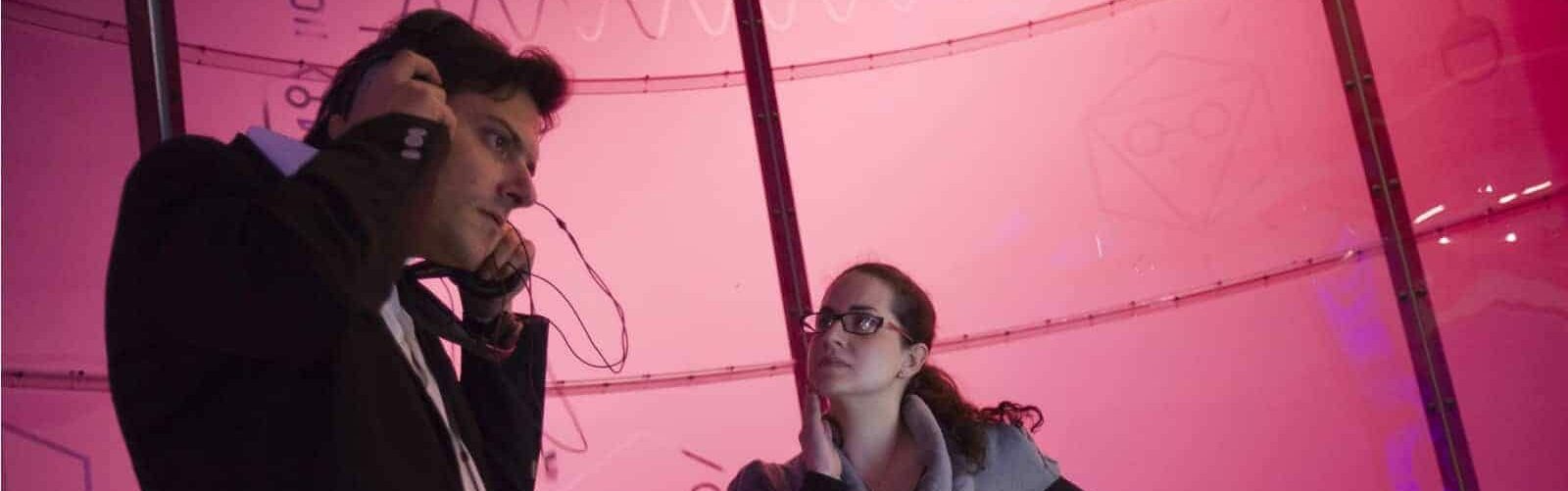
The Body and Image in Arts and Sciences (BIAS) project was an innovative interdisciplinary research program that merged perspectives from cognitive neurosciences and psychology with those from the humanities and arts to study the performative power of images. Research was conducted at the Warburg Institute, the premier institute in the world for the study of cultural history and the role of images in culture, inspired by Aby Warburg’s unparalleled interdisciplinary vision on the history of images.
Warburg’s intellectual aim was to trace the transmission of thought through images, and the ways in which these were embodied in pictorial expression. Throughout his work, he insisted on the study of the body and its biological expressive power to shed light on art and culture. The questions he asked in the context of art history and the answers he proposed remain relevant today, for understanding the culture that we live in, as well as for the present and future of the relations between the humanities and sciences insofar as they share the common goal of understanding the human condition and culture. It is at this intersection between the “highways of culture and the pathways of the mind” that the BIAS project placed itself: How do we relate to and respond to each other in a culture powered by images? To answer this question, BIAS bridged scientific insights on the underlying physiological, neural and cognitive mechanisms with a scholarly understanding of the cultural, historical and political context within which such mechanisms are deployed.
The project was led by NOMIS Awardee Manos Tsakiris at the Warburg Institute, University of London, UK.
NOMIS researchers
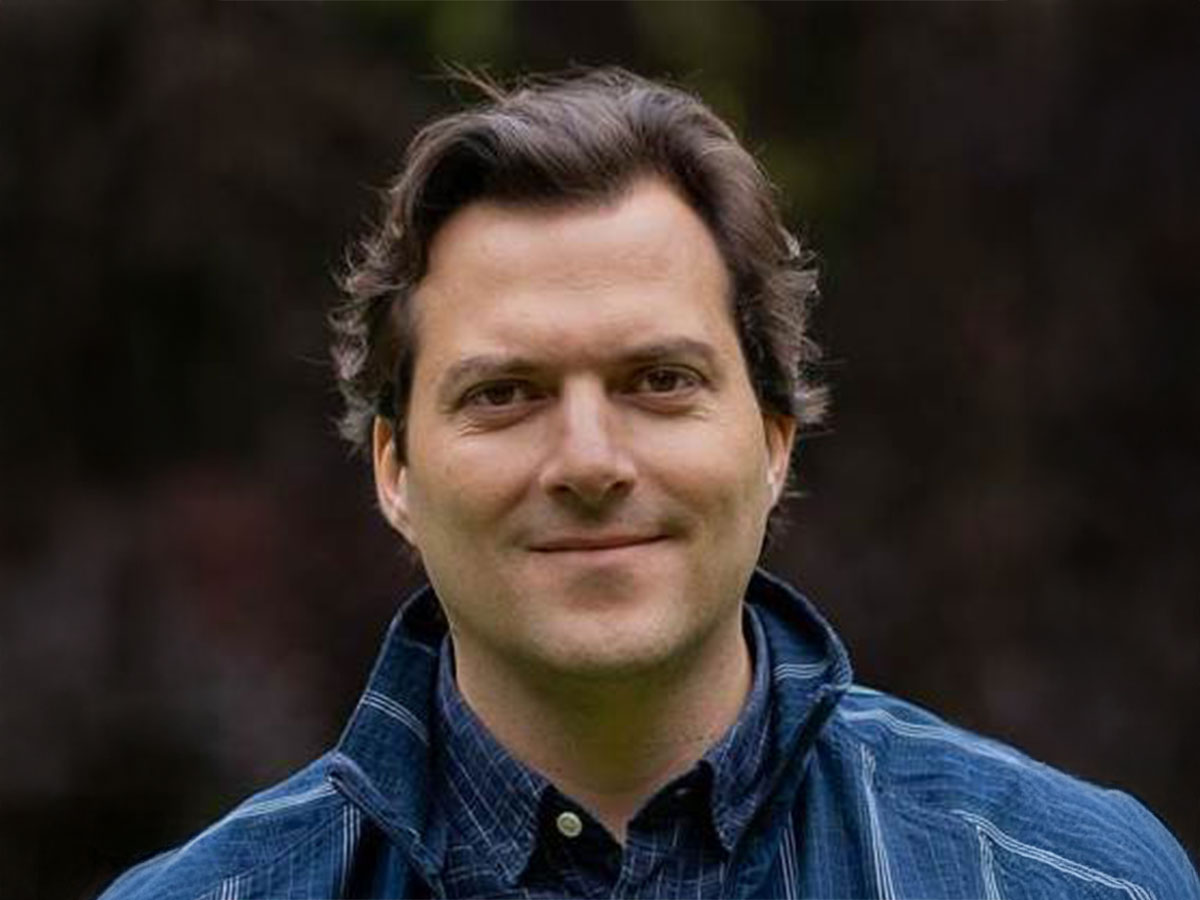
About Manos Tsakiris Manos Tsakiris is the inaugural 2016 NOMIS Awardee. He is professor of psychology in the Department of Psychology, Royal Holloway, University of London (London, England). He led the Body and Image in Arts and Sciences (BIAS) project and is currently director of the Centre for the Politics of Feelings. Tsakiris was born […]
Professor of Psychology
Royal Holloway University of London
The Warburg Institute
Project publications
From the Viscera to First Impressions: Phase-Dependent Cardio-Visual Signals Bias the Perceived Trustworthiness of Faces
When we see new people, we rapidly form first impressions. Whereas past research has focused on the role of morphological or emotional cues, we asked whether transient visceral states bias the impressions we form. Across three studies (N = 94 university students), we investigated how fluctuations of bodily states, driven by the interoceptive impact of cardiac signals, influence the perceived trustworthiness of faces. Participants less often chose faces presented in synchrony with their own cardiac systole as more trustworthy than faces presented out of synchrony. Participants also explicitly judged faces presented in synchrony with their cardiac systole as less trustworthy. Finally, the presentation of faces in synchrony with participants’ cardiac diastole did not modulate participants’ perceptions of the faces’ trustworthiness, suggesting that the systolic phase is necessary for such interoceptive effects. These findings highlight the role of phasic interoceptive information in the processing of social information and provide a mechanistic account of the role of visceroception for social perception. © The Author(s) 2022.
Research Fields
Experimental Psychology, Health Sciences, Psychology & Cognitive Sciences
Mapping moral language on US presidential primary campaigns reveals rhetorical networks of political division and unity
During political campaigns, candidates use rhetoric to advance competing visions and assessments of their country. Research reveals that the moral language used in this rhetoric can significantly influence citizens’ political attitudes and behaviors; however, the moral language actually used in the rhetoric of elites during political campaigns remains understudied. Using a data set of every tweet (N = 139, 412) published by 39 US presidential candidates during the 2016 and 2020 primary elections, we extracted moral language and constructed network models illustrating how candidates’ rhetoric is semantically connected. These network models yielded two key discoveries. First, we find that party affiliation clusters can be reconstructed solely based on the moral words used in candidates’ rhetoric. Within each party, popular moral values are expressed in highly similar ways, with Democrats emphasizing careful and just treatment of individuals and Republicans emphasizing in-group loyalty and respect for social hierarchies. Second, we illustrate the ways in which outsider candidates like Donald Trump can separate themselves during primaries by using moral rhetoric that differs from their parties’ common language. Our findings demonstrate the functional use of strategic moral rhetoric in a campaign context and show that unique methods of text network analysis are broadly applicable to the study of campaigns and social movements. © The Author(s) 2023. Published by Oxford University Press on behalf of National Academy of Sciences. This is an Open Access article distributed under the terms of the Creative Commons Attribution License (https://creativecommons.org/licenses/by/4.0/), which permits unrestricted reuse, distribution, and reproduction in any medium, provided the original work is properly cited.
Research Fields
Clinical Medicine, Health Sciences, Neurology & Neurosurgery

Re-cognizing the new self: The neurocognitive plasticity of self-processing following facial transplantation
The face is a defining feature of our individuality, crucial for our social interactions. But what happens when the face connected to the self is radically altered or replaced? We address the plasticity of self-face recognition in the context of facial transplantation. While the acquisition of a new face following facial transplantation is a medical fact, the experience of a new identity is an unexplored psychological outcome. We traced the changes in self-face recognition before and after facial transplantation to understand if and how the transplanted face gradually comes to be perceived and recognized as the recipient’s own new face. Neurobehavioral evidence documents a strong representation of the pre-injury appearance pre-operatively, while following the transplantation, the recipient incorporates the new face into his self-identity. The acquisition of this new facial identity is supported by neural activity in medial frontal regions that are considered to integrate psychological and perceptual aspects of the self. Copyright © 2023 the Author(s).
Research Fields
Economic & Social Sciences, Education, Social Sciences
Project news

March 27, 2023
First of its kind study reveals how facial transplant recipient recognizes new appearance as their own
NOMIS Awardee Manos Tsakiris and fellow researchers from the UK and USA conducted the first ever investigation into how a facial transplant recipient started to accept their new appearance as part of their own identity. Published in the Proceedings of the National Academy of Sciences (PNAS), the study, Re-cognizing the new self: The neurocognitive plasticity of […]
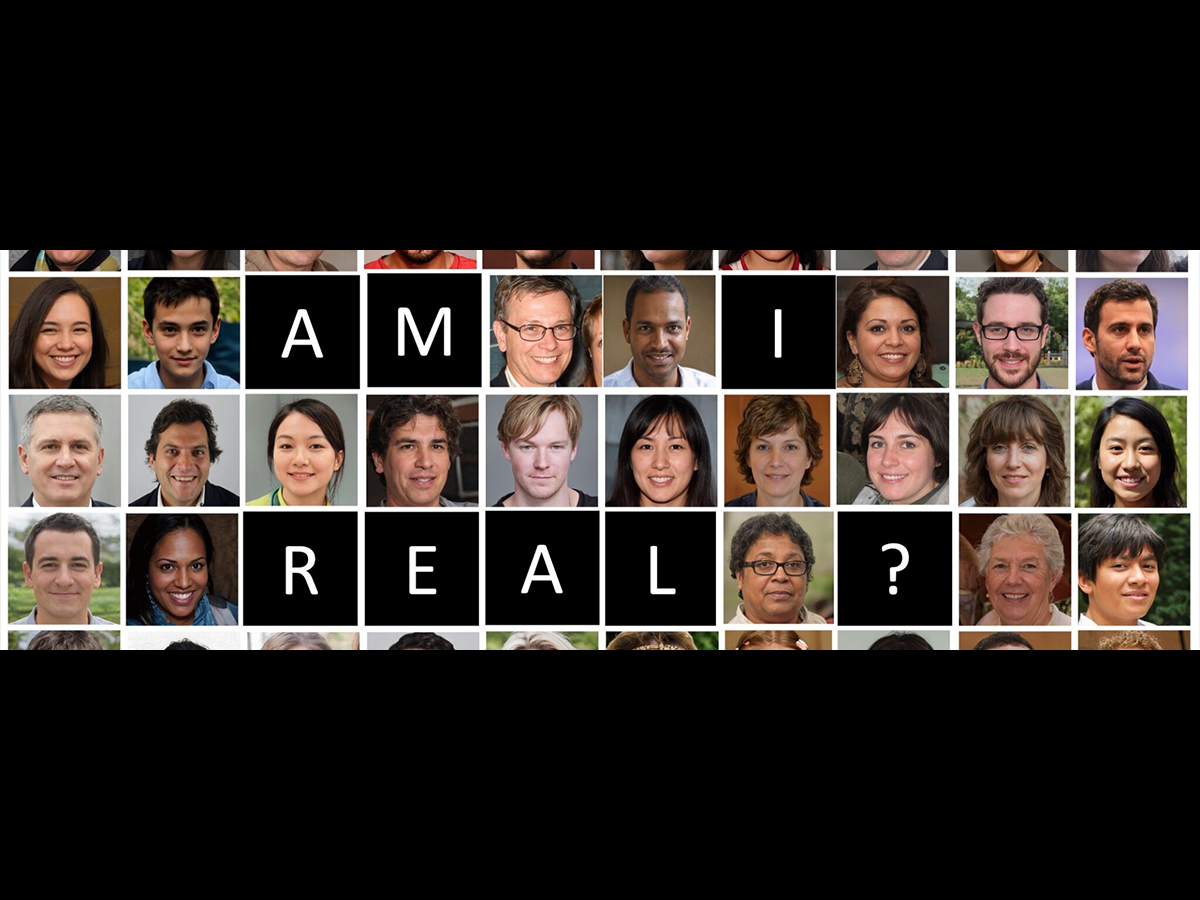
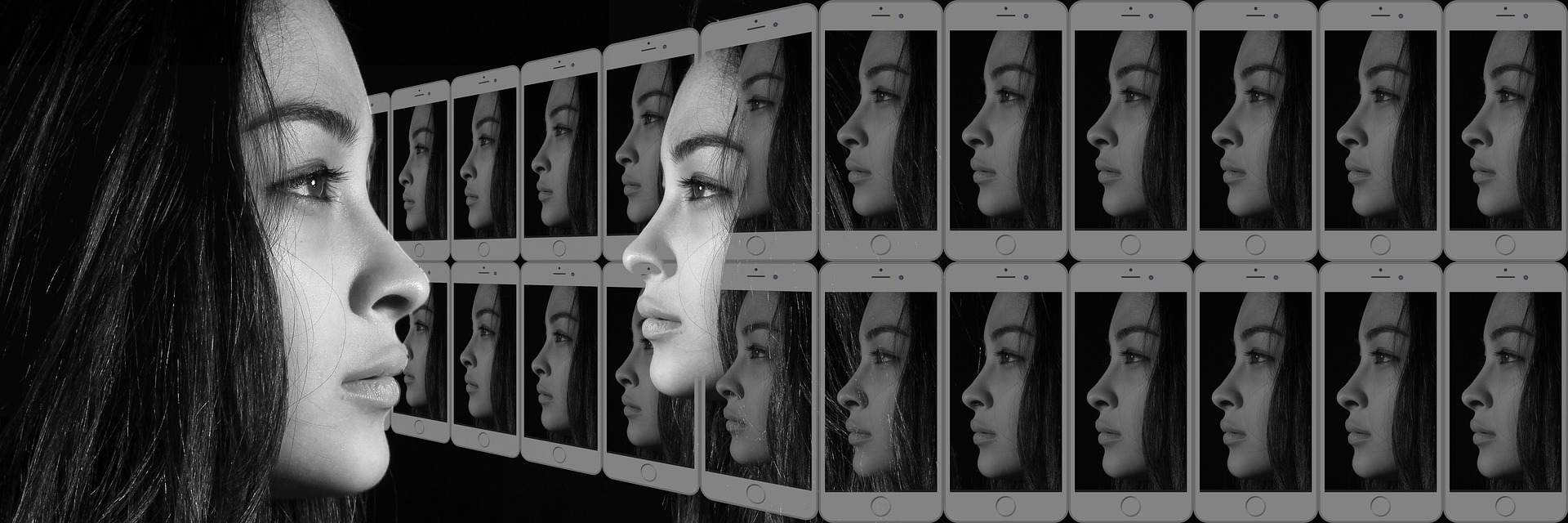
NOMIS Awardee Manos Tsakiris and colleagues have published their findings in iScience showing that people are more likely to perceive artificially generated faces as real than real ones. The findings have important social implications. We might think that we are good at recognizing faces, but as it turns out we cannot tell the difference between […]
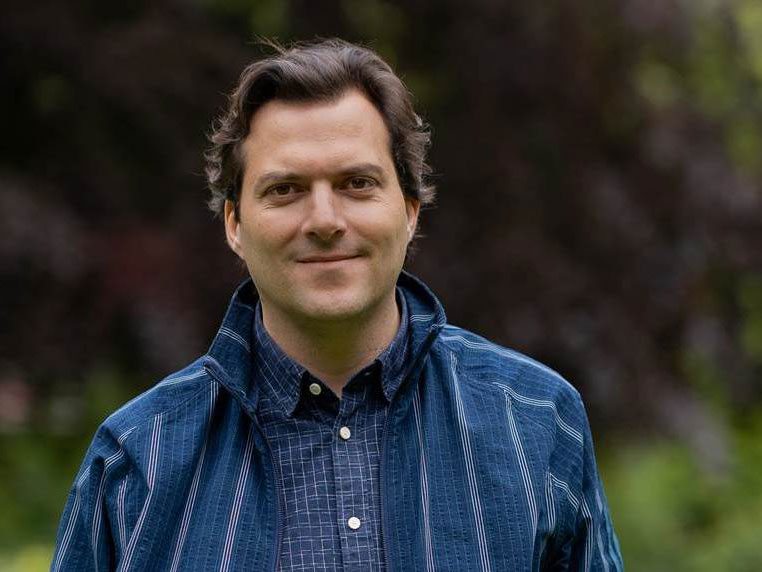

Marking the completion of the Body and Image in Arts and Sciences (BIAS) project, the NOMIS Foundation is delighted to release its first NOMIS Insight film featuring inaugural NOMIS Awardee Manos Tsakiris. Created in collaboration with Vollformat, the film tells the story of Tsakiris’ NOMIS research project, from conception to studies to insights, and supports […]
