

Tom J. Battin
Full professor of environmental sciences, School of Architecture, Civil and Environmental Engineering
Organization
EPFL (Swiss Federal Institute of Technology in Lausanne)

About Tom J. Battin
Tom J. Battin is professor of environmental sciences at the Ecole Polytechnique Fédérale de Lausanne (EPFL). He is leading the project Vanishing Glaciers – What Else Besides Water Is Lost?
Born in Luxembourg, Battin received a PhD in ecology at the University of Vienna (Austria) and completed postdoctoral work at the Stroud Water Research Center in the US, the University of Barcelona and the University of Vienna. He was a group leader at the WasserCluster Lunz (Austria), a research center on aquatic ecosystems, after which he became chair in limnology at the University of Vienna. Battin was head of the Department of Limnology and Bio-Oceanography at the University of Vienna and visiting professor at the Uppsala University and the University of Applied Arts in Vienna. He is the recipient of a Ramón y Cajal postdoctoral fellowship in Spain and the prestigious Start Prize in Austria.
Battin’s research focuses on the microbial ecology and biogeochemistry of stream ecosystems. His work has led to a better understanding of physical, chemical and biological process coupling in streams. He demonstrated the relevance of microbial biofilms for stream ecosystem processes, including stream hydraulics and has pioneered the field of microbial diversity dynamics from the small scale to entire fluvial networks. Battin has also contributed to the present day awareness that inland waters, particularly streams and rivers, are major components of the global carbon cycle. His notion of the “boundless carbon cycle” has greatly influenced global carbon cycle research. His current research focuses on the molecular underpinnings of the success of the biofilm mode of life in high-mountain streams and on the role these streams play in global biogeochemical cycles.
‘s projects
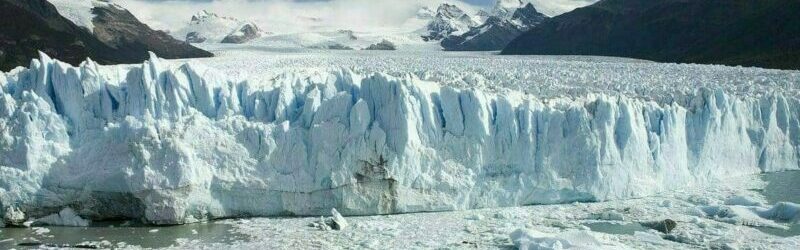
Vanishing Glaciers — What Else Besides Water Is Lost?
Microorganisms are the most ancient, most abundant and most successful form of life on Earth. For more than 3 billion years, the microbial metabolism, coupled with geophysical processes, orchestrated major biogeochemical cycles on Earth. Microbial life even endured periods of global glaciations such as those 600 and 700 million years ago when Earth was a […]
NOMIS researcher
Project period
2018 – 2025
‘s publications

Glacier-fed stream diatoms (Bacillariophyta) from the Rwenzori Mountains, Uganda, with the description of one new species from the genus Neidium
Glacier-fed streams (GFSs) are harsh environments hosting unique, highly specialized communities. Interestingly, glaciers and their GFSs are also present in Earth’s tropical regions, where environmental characteristics contrast with GFS conditions elsewhere. Yet, despite the unique and isolated nature of tropical GFSs, little is known about their inhabitants, even though they may disappear later this century with ongoing climate change. Here, we examined diatom communities from one of the last tropical African GFSs in the Rwenzori Mountains, Uganda, to characterize the composition and diversity of this unique system. Six sediment-associated biofilm samples were collected from two reaches of a stream draining the Mt. Stanley Glacier, and the resident diatom communities were studied morphologically using light and scanning electron microscopy, as well as through the sequencing of amplicons from extracted DNA (18S and rbcL). In general, morphological results agree well with barcoding results, but each individually provides irreplaceable insights. In total, we identify 24 morphotypes utilizing light microscopy, 101 diatom Amplicon Sequence Variants (ASVs) using 18S sequences, and 65 ASVs with rbcL. Across approaches, common genera include Achnanthidium, Psammothidium, Neidium, Cymbopleura, Eunotia, and Pinnularia. However, only about half of the diversity could be assigned to the species level across methodologies, including several of the most common taxa, indicating a high level of uniqueness. Accordingly, one of the most common taxa encountered is described here as a new species, Neidium rwenzoriense sp. nov. Our results emphasize the Rwenzori Mountains as a global hotspot for endemism, and the novelty of disappearing tropical GFSs as diatom habitats.
Research Fields
Biology, Conservation Biology, Earth & Environmental Sciences, Ecology, Environmental Sciences, Natural Sciences
Glaciers are not just blocks of ice — plans to save them mustn’t overlook their hidden life
As glaciers begin to disappear, technological fixes to slow or halt ice melt are emerging. But regulations are urgently required before these fixes are used widely.
Research Fields
Biology, Conservation Biology, Earth & Environmental Sciences, Environmental Sciences, Natural Sciences

Predicting climate-change impacts on the global glacier-fed stream microbiome
The shrinkage of glaciers and the vanishing of glacier-fed streams (GFSs) are emblematic of climate change. However, forecasts of how GFS microbiome structure and function will change under projected climate change scenarios are lacking. Combining 2,333 prokaryotic metagenome-assembled genomes with climatic, glaciological, and environmental data collected by the Vanishing Glaciers project from 164 GFSs draining Earth’s major mountain ranges, we here predict the future of the GFS microbiome until the end of the century under various climate change scenarios. Our model framework is rooted in a space-for-time substitution design and leverages statistical learning approaches. We predict that declining environmental selection promotes primary production in GFSs, stimulating both bacterial biomass and biodiversity. Concomitantly, predictions suggest that the phylogenetic structure of the GFS microbiome will change and entire bacterial clades are at risk. Furthermore, genomic projections reveal that microbiome functions will shift, with intensified solar energy acquisition pathways, heterotrophy and algal-bacterial interactions. Altogether, we project a ‘greener’ future of the world’s GFSs accompanied by a loss of clades that have adapted to environmental harshness, with consequences for ecosystem functioning.
Research Fields
Biology, Conservation Biology, Earth & Environmental Sciences, Ecology, Environmental Sciences, Natural Sciences
‘s news

March 31, 2025
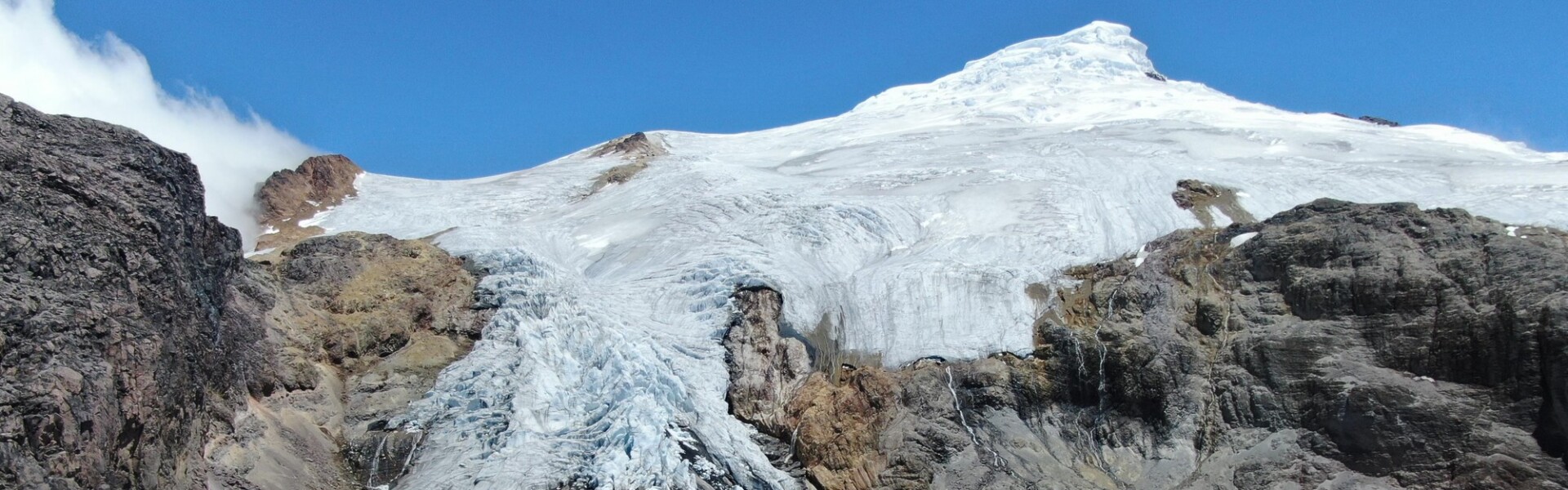
Glaciers are not just blocks of ice
Glaciers are rapidly shrinking, and nearly half of the world’s glaciers are expected to disappear by 2100. While technological interventions to slow ice melt are emerging, NOMIS researcher Tom Battin and fellow scientists argue that “these must incorporate the complexity of the icy biome that they aim to preserve.” In an article in Nature, they […]

March 21, 2025
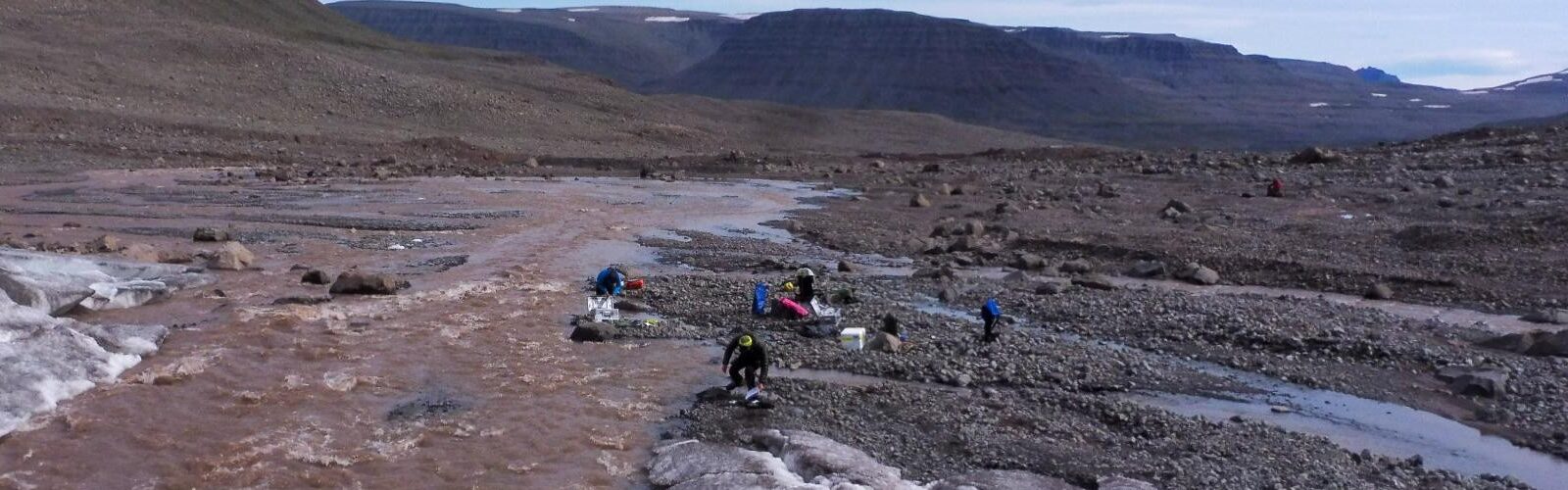
Glacier melt puts unique microbial ecosystems under threat
A pioneering study by NOMIS researcher Tom Battin and the Vanishing Glaciers team has revealed how climate change is impacting glacier-fed streams and the essential microbiomes they contain — which could change radically by the end of this century. Their findings were published in Nature Communications. by Leila Ueberschlag, EPFL Climate change is causing the […]
January 8, 2025
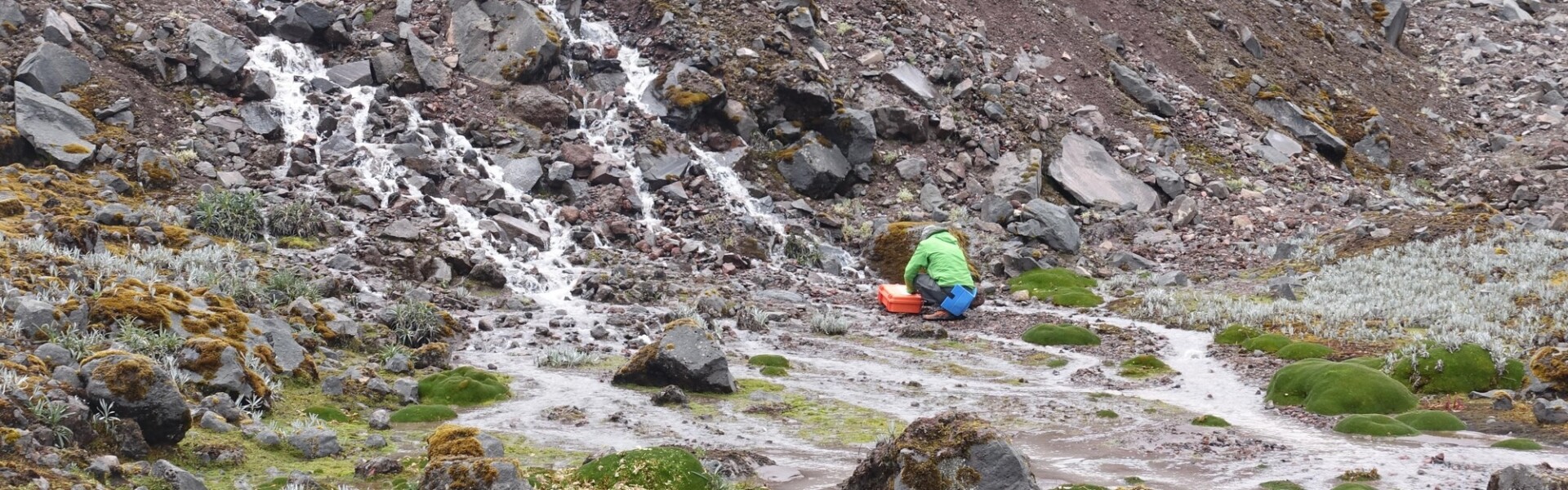
Scientists discover a unique microbiome on our planet's roof
NOMIS researcher Tom Battin, together with a team of scientists led by EPFL, have published papers in Nature and Nature Microbiology that shed light on the uniqueness, complexity and climate-related vulnerability of the world’s glacier-fed-stream microbiome. The streams draining the glaciers on our planet’s mountaintops harbor a wealth of unique microorganisms, yet little was known about […]
