

Luregn Schlapbach
Head of Intensive Care and Neonatology
Organization
University Children's Hospital Zurich

About Luregn Schlapbach
Luregn Schlapbach is head of the Department of Intensive Care and Neonatology at the University Children’s Hospital Zurich, Switzerland, and holds the Professorship for Pediatric Intensive Care at the University of Zurich. He led the projects Improving Recovery of Children Suffering From PIMS Associated With COVID (RECOVERY-PIMS), and Genomic and Immunologic Causes Underlying COVID-19 PIMS-TS. He is currently leading the AI in Pediatric ICUs project and co-leading the project Deciphering Dynamic Systems in Childhood.
Following completion of medical school with an MD at the University of Basel, Switzerland, in 2004, Schlapbach was trained in pediatrics, neonatology and pediatric intensive care in Switzerland and Australia. From 2013 to 2020 he worked as a senior staff specialist in pediatric intensive care in Australia, including the country’s largest pediatric ICU at Queensland Children’s Hospital in Brisbane. He became internationally known for his work on sepsis, infection and inflammation in critically ill children and led the Paediatric Study Group of the Australian and New Zealand Intensive Care Society. In 2020, he was selected as head of the Department of Intensive Care and Neonatology at the University Children’s Hospital Zurich. Since then, Schlapbach established an internationally leading research program on pediatric critical illness.
Research focus
Schlapbach’s research has focused on sepsis, life-threatening infections, and inflammation in critically ill neonates and children, including aspects such as epidemiology, biomarkers, genomics and clinical trials. He is interested in improving our understanding of why some children become critically unwell, and in developing better approaches to enable early recognition and targeted treatment for this vulnerable population. He has led observational, genomic and interventional studies in the field, is involved in international consortia on life-threatening childhood infections, and serves on the steering board of several large pediatric trials. His vision is to develop a research ecosystem modeled on pediatric oncology that integrates molecular phenotyping with precision trials to improve long-term outcomes for children with critical illness.
Awards and recognition
Schlapbach was awarded the prestigious NHMRC practitioner fellowship in 2018 and received several national and international awards in recognition of his contribution to improve care for critically ill children. He has been group head of the Pediatric Surviving Sepsis Campaign and co-chairman of the international Pediatric Sepsis Definition Taskforce. He has been elected to the boards of national and international sepsis quality improvement initiatives and is co-founder and vice-chair of the PICU-CONNECT global collaboration for trials in critically ill children.
Luregn Schlapbach photo by Barbora Prekopová / Kinderspital Zürich
‘s projects
Deciphering Dynamic Systems in Childhood
Childhood is one of the most dynamic phases of human life: a period of rapid growth and development that sets the trajectory for lifelong health. When serious illnesses such as sepsis, rare metabolic disorders or childhood cancers strike early in life, they disrupt these dynamics. Yet in current practice, diseases are primarily described with static snapshots: blood tests, scans, or labels captured at certain time points used in historic taxonomies of disease. This frames disease as a fixed deviation from health, rather than a shifting imbalance. The Deciphering Dynamic Systems in Childhood project investigates childhood disease as a dynamic process from a molecular perspective.
NOMIS researchers
Project period
2026 – 2029

The Question In high-income countries, about one in 100 children require intensive care unit (ICU) support due to life-threatening illness, trauma or surgery. In the United States alone, over 500,000 neonates and children are admitted to ICUs every year. Although survival of critically ill children has continuously improved, with current mortality rates as low as […]
NOMIS researcher
Project period
2023 – 2026

Genomic and Immunologic Causes Underlying COVID-19 PIMS-TS
Pediatric inflammatory multisystem syndrome temporally associated with COVID-19 (PIMS-TS) is a rare but potentially life-threatening condition. While children have been relatively spared from direct health-related consequences of COVID-19, the emergence of PIMS-TS has demonstrated the unique susceptibility of pediatric age groups. Weeks after asymptomatic COVID-19 infection, children with PIMS-TS classically manifest a febrile disease often […]
NOMIS researcher
Project period
2022 – 2024
‘s publications
Published on
June 16, 2026
NOMIS Researcher
Luregn SchlapbachPublished in
Critical Care and Resuscitation
Resuscitation in paediatric septic shock using vitamin C and hydrocortisone (RESPOND): The RESPOND randomised controlled trial statistical analysis plan
Background The Resuscitation in Paediatric Septic Shock using Vitamin C and Hydrocortisone (RESPOND) trial is a multicentre randomised controlled trial exploring whether the use of hydrocortisone alone, or in combination with vitamin C, increases time alive and free of vasopressors for critically ill children. Objective To present the prespecified statistical analysis plan (SAP) for the RESPOND trial prior to finalising recruitment and locking the trial dataset. Design, setting, and participants The RESPOND trial is a three-arm, parallel group, open-label, randomised controlled trial, recruiting in paediatric intensive care units in Australia, New Zealand, India, and Brazil. The planned sample size is 384 participants. Main outcome measures The primary outcome is time alive and free of inotropes/vasopressors, censored at 7 days post-randomisation. Secondary outcomes include clinical (e.g. alive and free of multi-organ dysfunction, length of stay), safety, health economics (e.g. incremental costs, quality-adjusted life years), and long-term outcomes (measured at 6 months post-randomisation; e.g. health-related quality of life). Results and conclusions The SAP was designed by the Chief Investigators and approved by the RESPOND Steering Committee. Statistical analyses are summarised. The primary outcome will be analysed using quantile regression adjusted for stratification variables. Appropriate statistical comparisons between groups were planned and described in a way that is transparent, available to the public, verifiable, and predetermined before completion of data collection. The trial statistician, RESPOND Steering Committee members, and SAP authors remain blind to treatment allocation throughout the study. Data Safety and Monitoring Board members were provided with safety data with masked group identifiers during interim analyses. The RESPOND trial commenced recruitment in December, 2021, and aims to complete recruitment by mid-2026. Trial registration ACTRN12621000247875.
Research Fields
Clinical Medicine, Emergency & Critical Care Medicine, Health Sciences
Published on
June 3, 2026
NOMIS Researcher
Luregn SchlapbachPublished in
Journal of Antimicrobial Chemotherapy
The impact of an ex vivo paediatric renal replacement therapy circuit on antimicrobial concentrations
Background: Critically ill children receiving continuous renal replacement therapy may experience sub-therapeutic concentrations for antimicrobials leading to treatment failure and antimicrobial resistant pathogens. The objective of this study was to determine whether antimicrobial concentrations are reduced by a paediatric continuous renal replacement therapy (CRRT). Method: An ex vivo closed continuous veno–venous haemodiafiltration was simulated for a 3 kg infant to assess antimicrobial clearance across three ultrafiltration rates (zero, low and high flux). Slow continuous ultrafiltration was used to assess antimicrobial adsorption and recovery over 240 minutes. Controls were included to account for spontaneous drug degradation. This study was conducted in a university research laboratory with no participants. Antimicrobial concentrations were measured using a validated HPLC-MS/MS method. Results: The antimicrobial filter clearance during high-flux filtration was significantly increased for fluconazole, piperacillin, tazobactam, vancomycin and voriconazole (P < 0.05). The antimicrobial recovery [mean (%)] at 240 minutes in the CRRT model was significantly different from baseline (time zero) for ampicillin 49%, fluconazole 76%, gentamicin (0%) meropenem 51%, piperacillin 54%, vancomycin 31% and voriconazole 47% (P < 0.05). A significant relationship was demonstrated between antimicrobial recovery and molecular charge (R2 = 0.58 P 70% of the study antimicrobials in the ex vivo paediatric CRRT model, as a result of an increase in filter clearance during high-flux filtration or from drug-circuit adsorption. These findings suggests that antimicrobial dosing in critically ill children receiving CRRT requires assessment to determine whether antimicrobial concentrations are therapeutic.
Research Fields
Biomedical Research, Health Sciences, Microbiology
Improving Registration and Dataflows Between Pediatric Oncology Clinics and the Childhood Cancer Registry of Switzerland: Protocol for SwissPedCancer Quality Assurance Study
Background: Cancer registries are essential to monitor cancer incidence and survival to provide better quality cancer data for research. In Switzerland, the pediatric oncology units within pediatric hospitals actively report cancer cases, and the coding and registration team of the Childhood Cancer Registry (ChCR) enters data manually from medical files into the registry database. There are no automated data transfers or feedback loops between the pediatric oncology clinics and the ChCR. This ongoing process is time-consuming, inefficient, and a source of potential errors. Objective: SwissPedCancer aims to explore the options for automated data transfers from clinical data warehouses and feedback loops to make cancer registry processes more efficient. Methods: SwissPedCancer is a nested project within the national data stream initiative, the Swiss Pediatric Personalized Research Network (SwissPedHealth). Since September 2022, SwissPedHealth has developed and piloted structures to make routine clinical data from pediatric oncology clinics available for monitoring, benchmarking, and research in an interoperable, standardized, and quality-controlled way. SwissPedCancer expects to include approximately 2800 patients diagnosed with cancer before the age of 20 years between 2017 and 2023. The pediatric oncology clinics’ data and the manually validated ChCR data will be delivered separately to a secure national computing network for health-related data (Biomedical Information Technology). We will compare these two data sources to assess completeness (case ascertainment), accuracy (validity), and timeliness of cancer registration in the ChCR. We will evaluate data on diagnosis, treatments, underlying genetic disease, remission, relapse, and late effects. SwissPedCancer will provide a framework for optimizing standardized and uniform data transfers between pediatric oncology clinics and the ChCR and for other registries within Switzerland. Results: The project was funded in September 2022 and received ethics exemption in October 2023. Data extraction from participating hospitals and the ChCR is expected to commence in January 2026. Study results are anticipated to be available in summer 2026. Conclusions: SwissPedCancer aims to reduce manual workload while improving the completeness, accuracy, timeliness, and comparability of childhood cancer data in Switzerland. The project will contribute to a robust, interoperable, and sustainable national infrastructure supporting high-quality cancer registration, timely analyses, and evidence-based decision-making.
Research Fields
Health Sciences, Public Health & Health Services, Substance Abuse
DOI
10.2196/87007‘s news


December 20, 2024
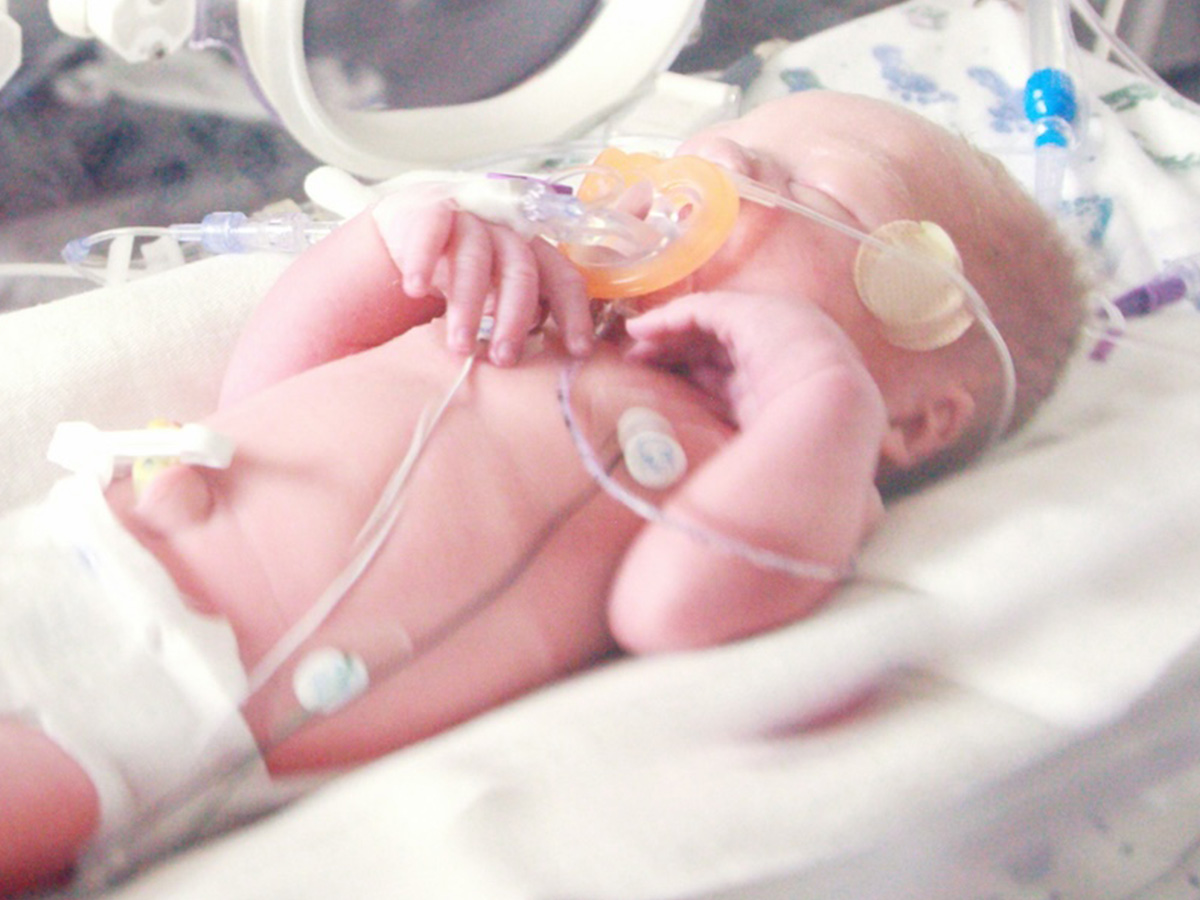
New roadmap to revolutionize pediatric critical care
A new global initiative led by NOMIS researcher Luregn Schlapbach aims to revolutionize the care of critically ill children by addressing longstanding gaps in research and infrastructure in pediatric critical care. Published in The Lancet Child & Adolescent Health, this roadmap to build global collaborative research for the most critically ill children paves the way […]

August 26, 2024
Luregn Schlapbach leads The Lancet series on pediatric sepsis
NOMIS researcher Luregn Schlapbach was invited by The Lancet to lead a series on pediatric sepsis, a life-threatening response to infection. The four articles in this series put forth the current and future landscapes surrounding sepsis in children, including the many challenges health care providers are facing and the opportunities to tackle them. Following are […]


January 27, 2024
New global criteria for improved diagnosis of pediatric sepsis
Diagnosis of sepsis in children has been improved based on new research findings by NOMIS researcher Luregn Schlapbach and colleagues. An international research team co-led by the University Children’s Hospital Zurich harnessed artificial intelligence to analyze data from over 3.5 million children suffering from this life-threatening disease. Their findings were published in the Journal of […]
