Evolutionary diversification of methanotrophic ANME-1 archaea and their expansive virome
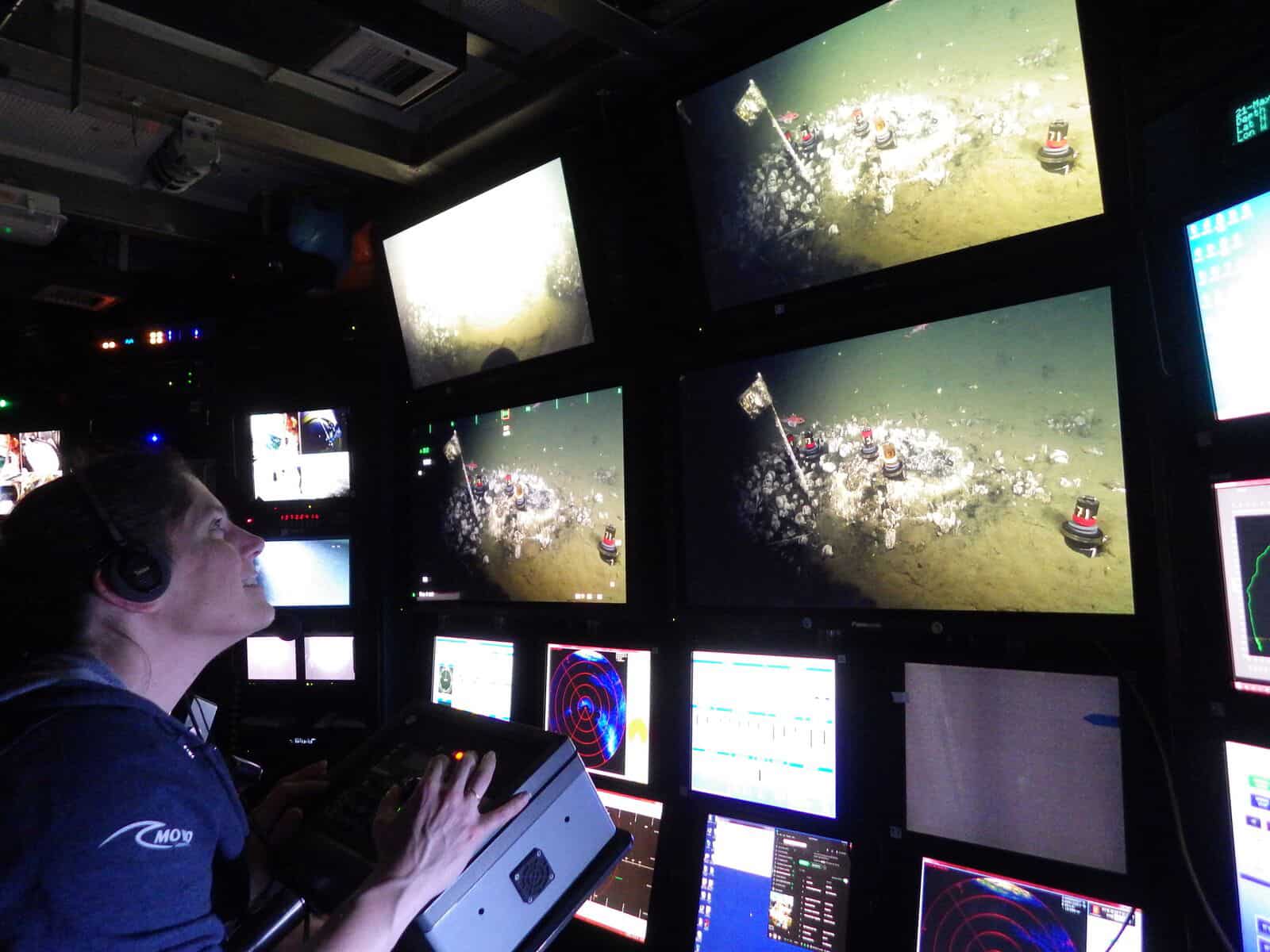
NOMIS Awardee Victoria Orphan and colleagues have published in Nature Microbiology the findings of their study, which used metagenomics on deep-sea hydrothermal samples to expand ‘Candidatus Methanophagales’ (ANME-1) diversity and uncover the effect of virus–host dynamics.
Abstract
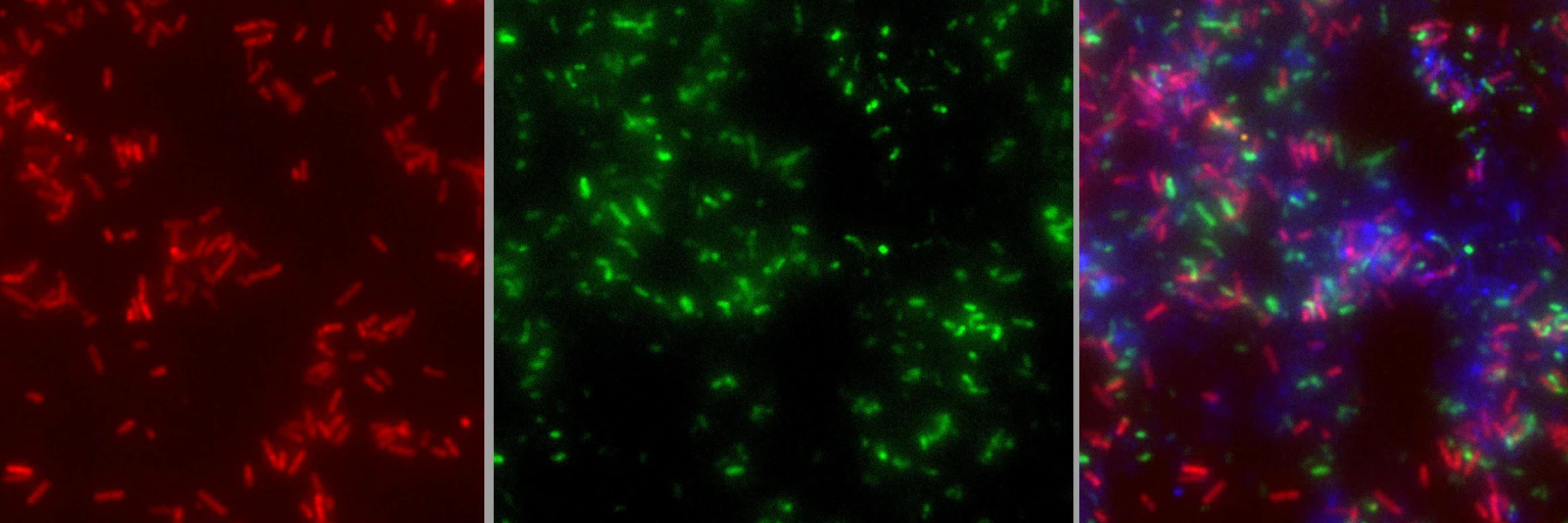
‘Candidatus Methanophagales’ (ANME-1) is an order-level clade of archaea responsible for anaerobic methane oxidation in deep-sea sediments. The diversity, ecology and evolution of ANME-1 remain poorly understood. In this study, we use metagenomics on deep-sea hydrothermal samples to expand ANME-1 diversity and uncover the effect of virus–host dynamics. Phylogenetic analyses reveal a deep-branching, thermophilic family, ‘Candidatus Methanospirareceae’, closely related to short-chain alkane oxidizers. Global phylogeny and near-complete genomes show that hydrogen metabolism within ANME-1 is an ancient trait that was vertically inherited but differentially lost during lineage diversification. Metagenomics also uncovered 16 undescribed virus families so far exclusively targeting ANME-1 archaea, showing unique structural and replicative signatures. The expansive ANME-1 virome contains a metabolic gene repertoire that can influence host ecology and evolution through virus-mediated gene displacement. Our results suggest an evolutionary continuum between anaerobic methane and short-chain alkane oxidizers and underscore the effects of viruses on the dynamics and evolution of methane-driven ecosystems.
Read the Nature Microbiology publication: Evolutionary diversification of methanotrophic ANME-1 archaea and their expansive virome
NOMIS researchers
About Victoria Orphan Victoria Orphan is a NOMIS board member and a 2018 NOMIS Awardee. She is the James Irvine Professor of Environmental Science and Geobiology in the Division of Geological and Planetary Sciences at the California Institute of Technology (Caltech; Pasadena, US). Born in the US, Orphan earned a BA in aquatic biology in […]
Member of the NOMIS Foundation Board of Directors
California Institute of Technology
NOMIS Foundation
NOMIS Project(s)
Understanding Virus-Host Dynamics in Ocean Ecosystems
While it may be humbling to think about, we are guests on a planet full of microbes. Invisible to the naked eye, these micron-sized (one-millionth of a meter) life forms provide the majority of Earth’s diversity, but that’s just the beginning. In terms of sheer mass, microbes outweigh all 7.6 billion people ― and every […]
NOMIS researcher
Project period
2018 – 2024