
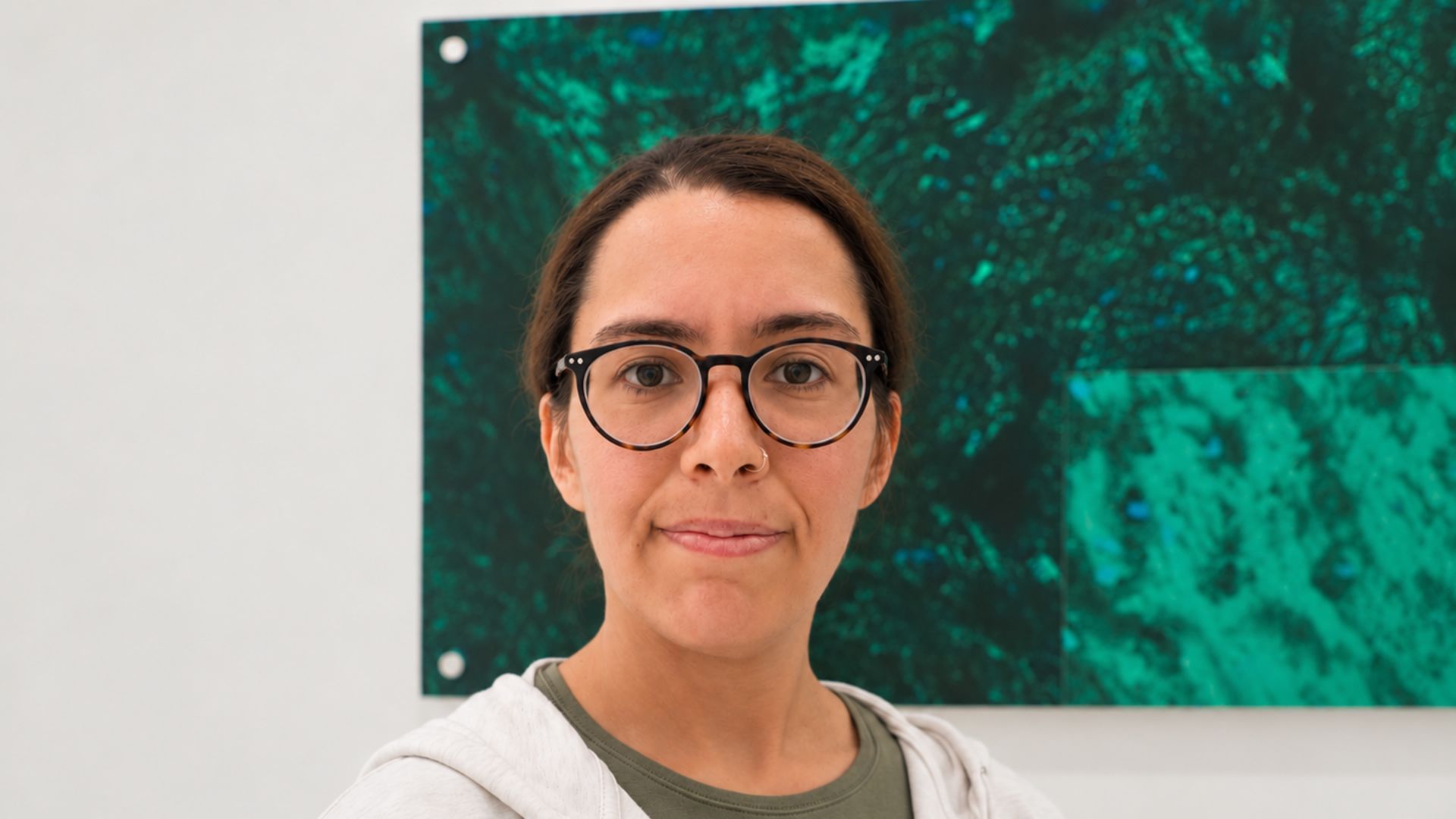
Seren Baygün
NOMIS Fellow 2026-30
Organization
SyNergy

About Seren Baygün
Seren Baygün is a NOMIS–SyNergy Fellow at the Ludwig-Maximilians Universität in Munich (LMU Munich) within the Munich Cluster for Systems Neurology (SyNergy) in Germany. She works in Martin Kerschensteiner’s laboratory at the LMU Biomedical Center’s Institute of Clinical Neuroimmunology.
Baygün earned a BS in biology from Middle East Technical University in Turkey and an MS in biology from LMU Munich. During her master’s studies, she worked in Robert Weinberg’s laboratory at the Massachusetts Institute of Technology in Cambridge, US, where she investigated the regulation of epithelial-to-mesenchymal transition in breast cancer and explored how reversing these cellular states could potentially be exploited to promote less aggressive cancer states.
She completed her PhD in experimental hematology in Marc Schmidt-Supprian’s laboratory at the Technical University of Munich in Germany, where she developed novel mouse models to study B-cell biology and B-cell-derived lymphomas in vivo. By combining these models with PiggyBac mutagenesis and CRISPR-based screens, she investigated the intrinsic genetic determinants of germinal center B cells and lymphomas.
Baygün’s postdoctoral research focused on how aberrantly activated B cells become targets of other immune cells in the body. This work revealed that aberrantly activated B cells can instruct strong T-cell responses that subsequently act against these same B cells, thereby constraining pathology and providing long-term protection against autoimmunity and lymphomagenesis.
Research focus
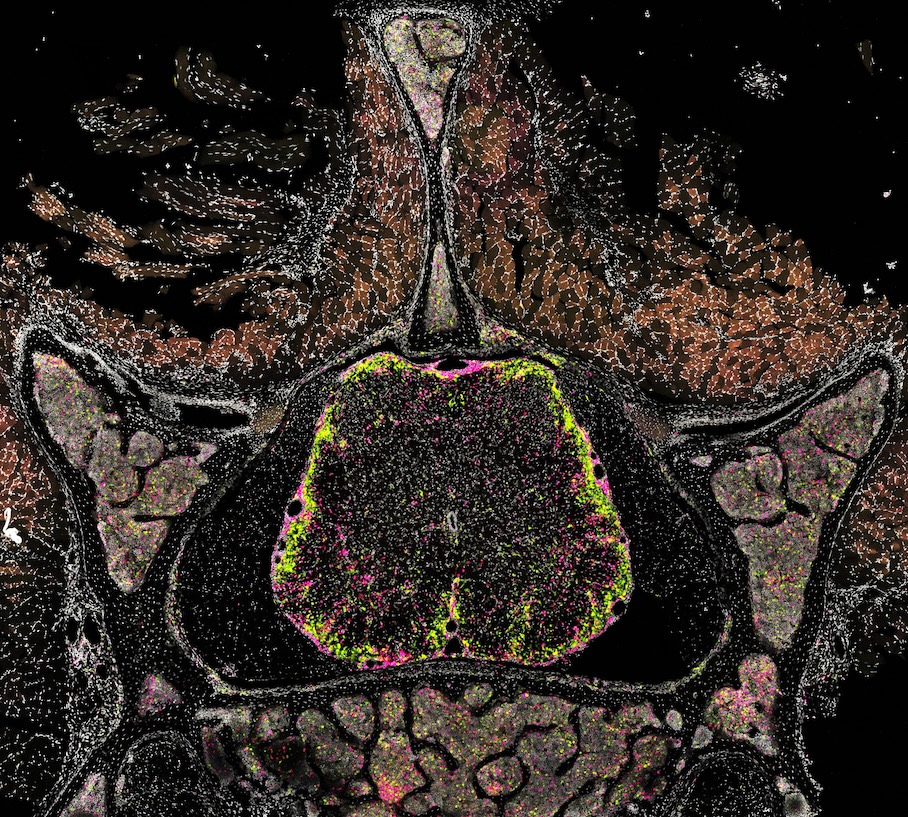
B cells are central components of adaptive immunity, but their functions can vary profoundly depending on their genetic complexity, antigen specificity, activation status, tissue environment and interactions with surrounding cells. In neurological disease, these same cells can support protective immune responses or contribute to chronic inflammation and tissue damage. As a NOMIS–SyNergy Fellow, Baygün investigates B cells and their interactions with other key cell types in the central nervous system. Her research focuses on understanding the determinants that drive B cells to adopt protective or pathogenic roles within the central nervous system.
To investigate these opposing roles, she aims to establish experimental in vivo models that make it possible to follow and manipulate B cells within the complex cellular networks of the central nervous system. By combining functional genetics and single-cell sequencing with in vivo imaging, she will study how different B-cell states emerge, change and interact with surrounding cells in central nervous system diseases such as multiple sclerosis. These insights may ultimately provide a basis for therapeutic strategies that more selectively target pathogenic B-cell functions while preserving beneficial immune responses.
Portrait courtesy of Seren Baygün
