
ETH Zurich


ETH Zurich is a leading science and technology university in Zurich, Switzerland, founded in 1855 as a center of innovation and knowledge. Basic research is the foundation for the success of ETH as a whole and particularly for mission-oriented research targeted at solving global challenges. ETH has been a NOMIS partner since 2017. Together, NOMIS and ETH have established two professorships and the NOMIS–ETH Fellowship Program.
Professorship of Genome Biology at ETH Zurich
Professorship of Cryo-Electron Microscopy at ETH Zurich
NOMIS–ETH Fellowship Program
People
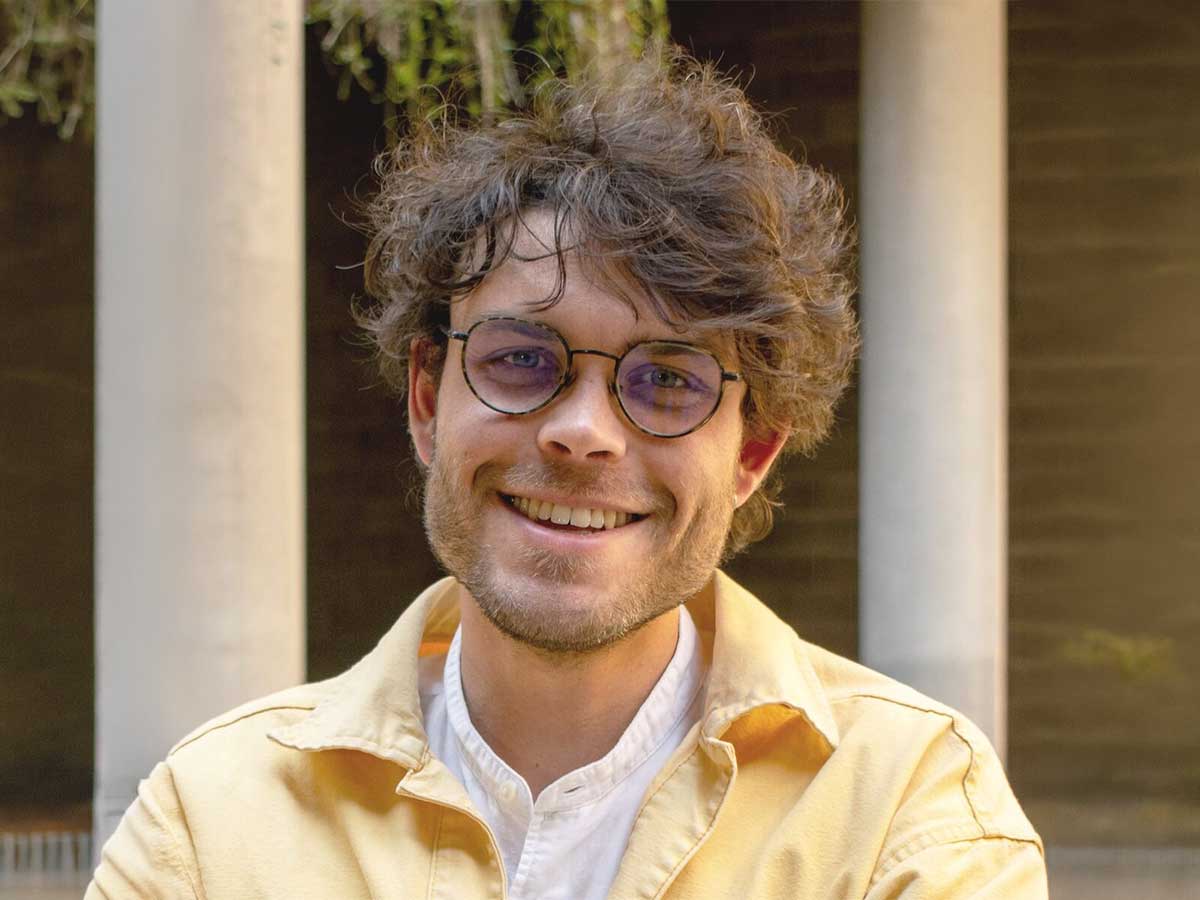
Antonin Affholder is a NOMIS–ETH Fellow at the Centre for Origin and Prevalence of Life at ETH Zurich (Switzerland). He is conducting his research in the Department of Environmental Systems Science under the mentorship of Loïc Pellissier.
NOMIS Fellow 2025-28
ETH Zurich
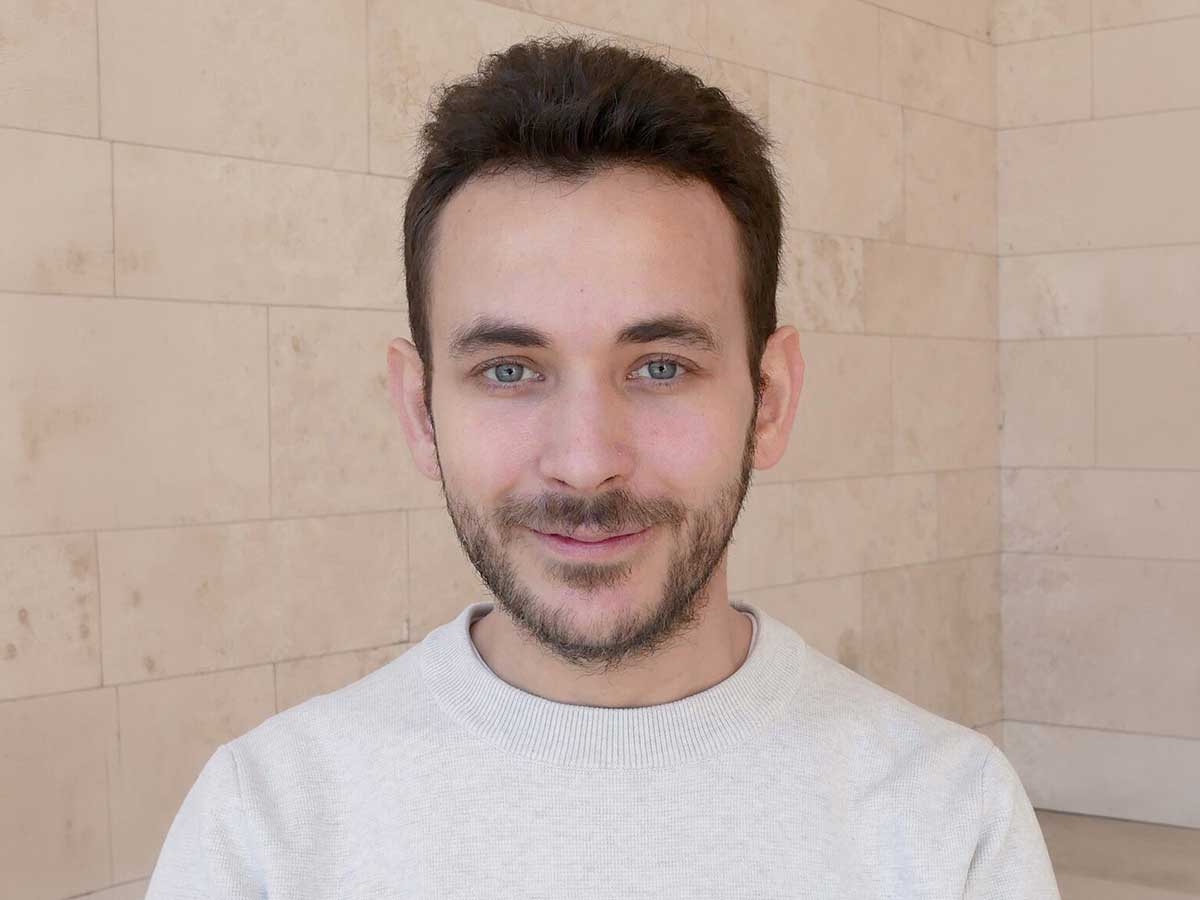
Thomas Drant is a NOMIS–ETH Fellow at the Centre for Origin and Prevalence of Life at ETH Zurich (Switzerland). He is conducting his research in the Department of Earth and Planetary Sciences under the mentorship of Paolo Sossi and Olivier Bachmann.
NOMIS Fellow 2025-28
ETH Zurich
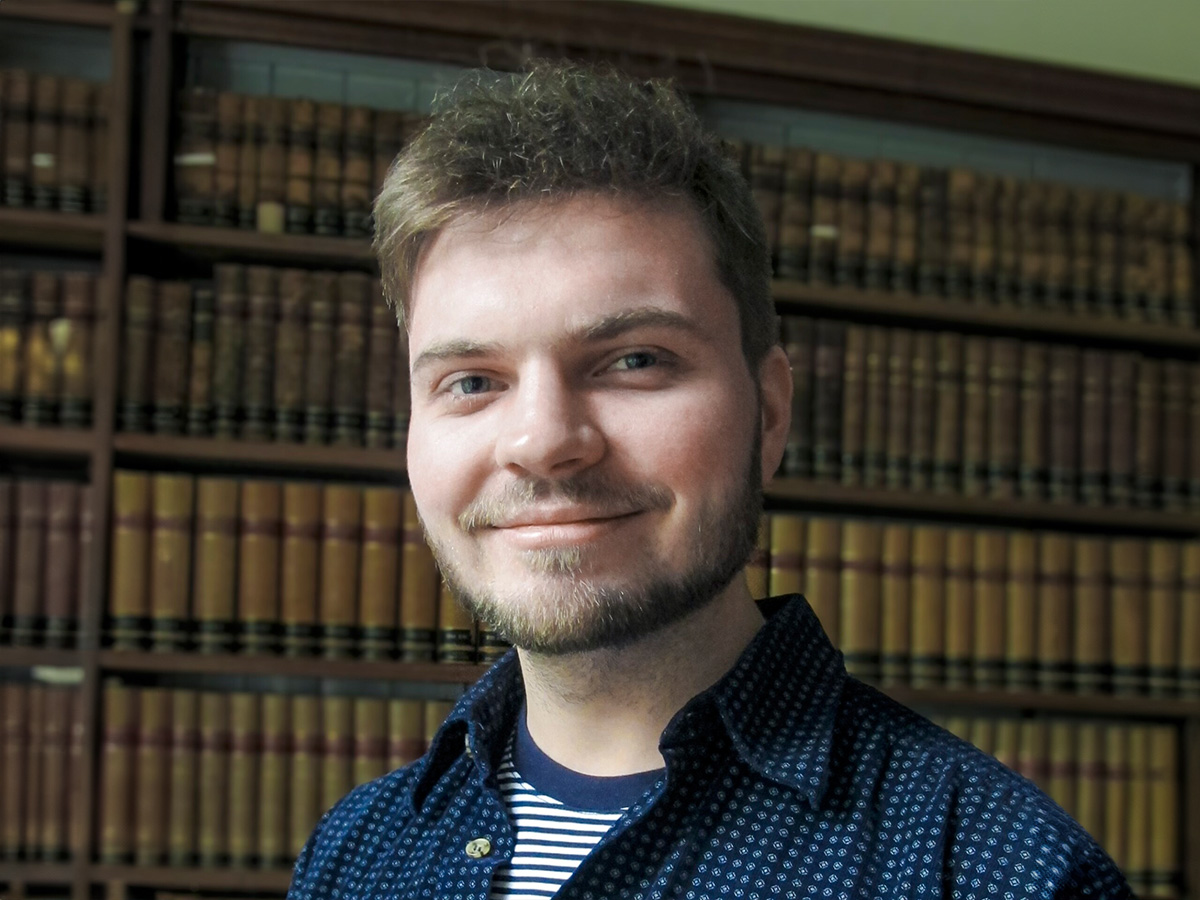
About Sean Jordan Sean Jordan is a NOMIS–ETH Fellow at the Centre for Origin and Prevalence of Life at ETH Zurich (Switzerland). He is conducting his research under the mentorship of Sascha Quanz in the Exoplanets and Habitability group in the Institute for Particle and Astrophysics. Jordan is a planetary scientist and astrophysicist, originally from […]
NOMIS Fellow 2024-27
ETH Zurich
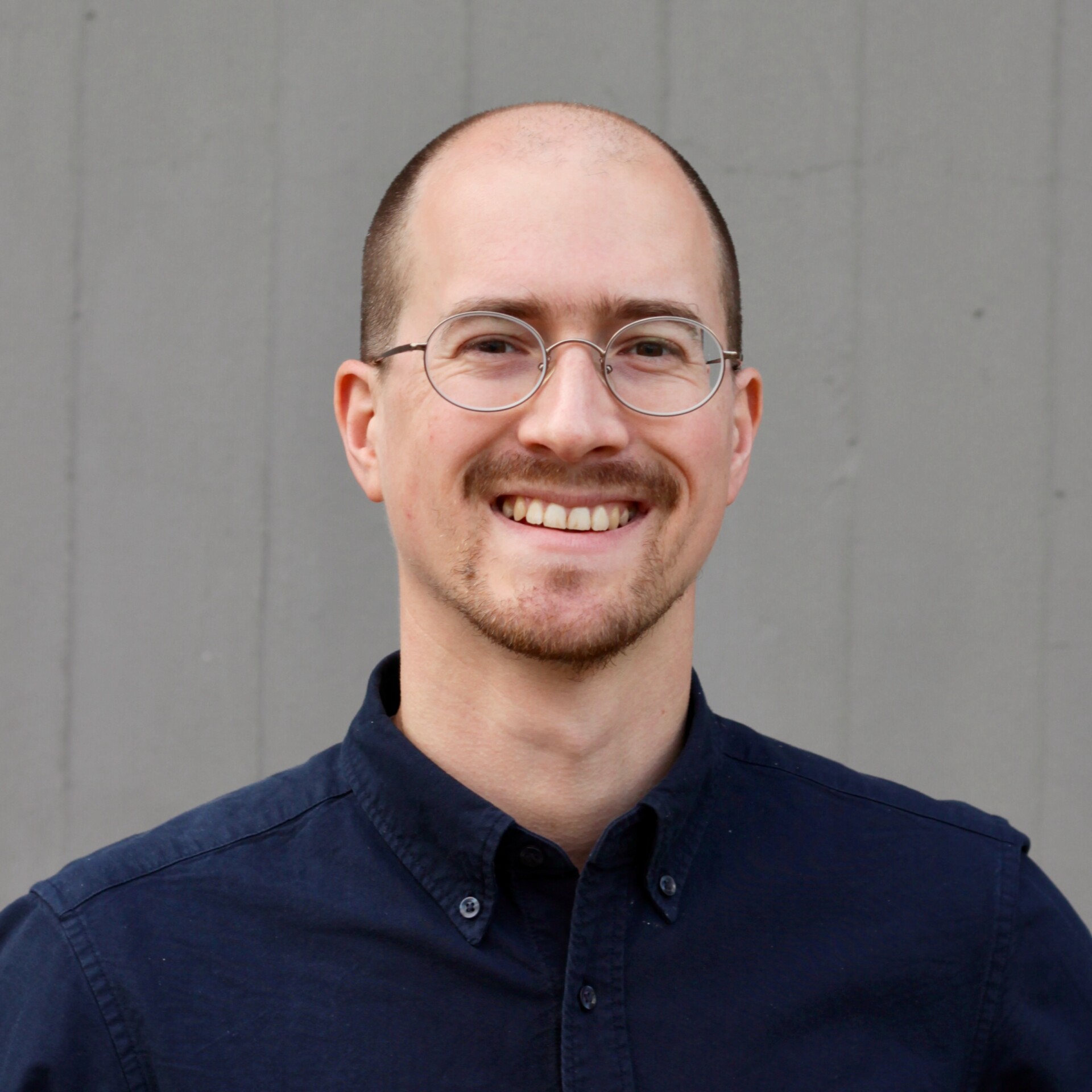
David Schnettler is a NOMIS–ETH Fellow at the Centre for Origin and Prevalence of Life at ETH Zurich (Switzerland). He is conducting his research under the mentorship of Sven Panke in the Department of Biosystems Science and Engineering (D-BSSE) in the Bioprocess Laboratory.
NOMIS Fellow 2024-27
ETH Zurich
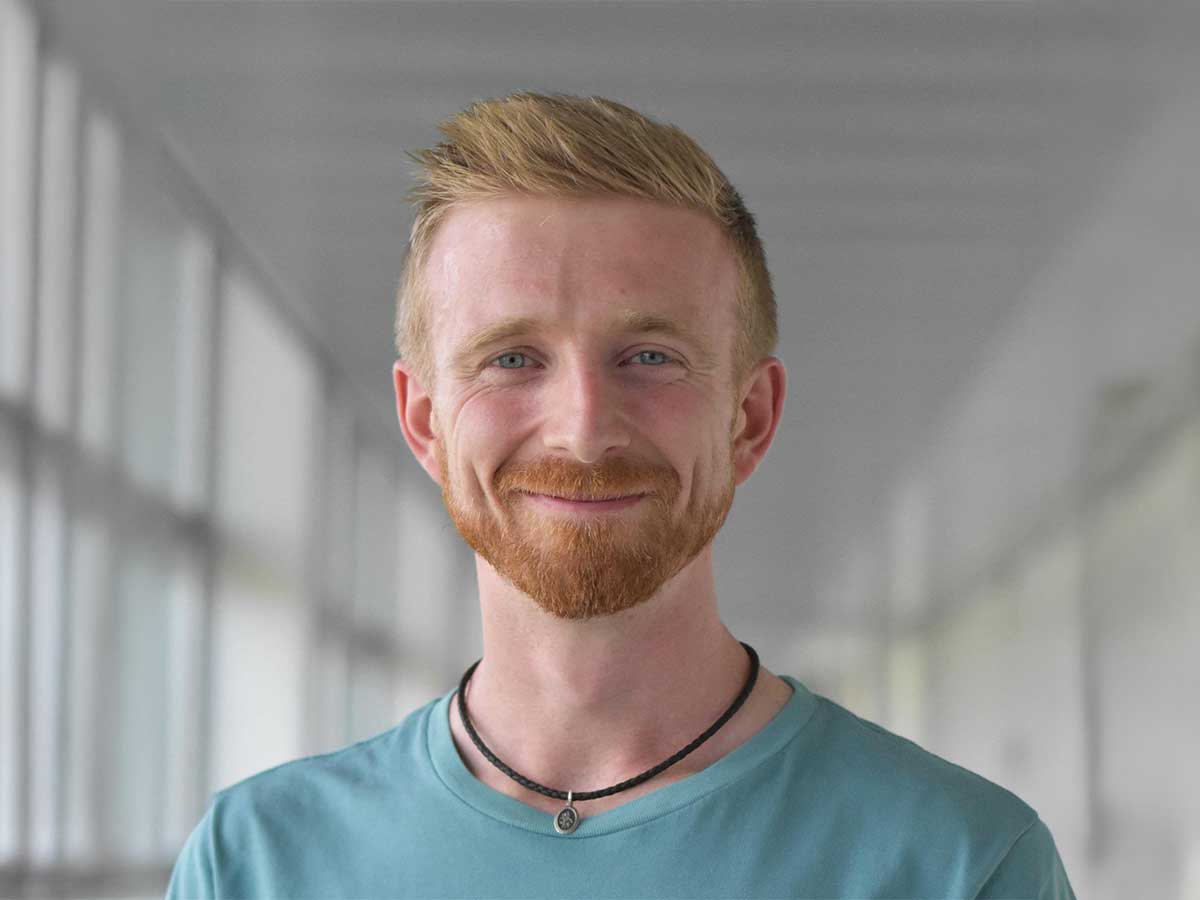
Taylor Priest is a NOMIS–ETH Fellow at the Centre for Origin and Prevalence of Life at ETH Zurich (Switzerland). He is conducting his research under the mentorship of Shinichi Sunagawa and Marie Schoelmerich in the Microbiome Lab.
NOMIS Fellow 2024-27
ETH Zurich
5 of 5 People
Publications
Comprehensive interrogation of synthetic lethality in the DNA damage response
The DNA damage response (DDR) is a multifaceted network of pathways that preserves genome stability1,2. Unravelling the complementary interplay between these pathways remains a challenge3,4. Here we used CRISPR interference (CRISPRi) screening to comprehensively map the genetic interactions required for survival during normal human cell homeostasis across all core DDR genes. We captured known interactions and discovered myriad new connections that are available online. We defined the molecular mechanism of two of the strongest interactions. First, we found that WDR48 works with USP1 to restrain PCNA degradation in FEN1/LIG1-deficient cells. Second, we found that SMARCAL1 and FANCM directly unwind TA-rich DNA cruciforms, preventing catastrophic chromosome breakage by the ERCC1–ERCC4 complex. Our data yield fundamental insights into genome maintenance, provide a springboard for mechanistic investigations into new connections between DDR factors and pinpoint synthetic vulnerabilities that could be exploited in cancer therapy.
Research Fields
Applied Sciences, Biochemistry & Molecular Biology, Bioinformatics, Biomedical Research, Clinical Medicine, Enabling & Strategic Technologies, Genetics & Heredity, Health Sciences, Oncology & Carcinogenesis

Large closed-basin lakes sustainably supplied phosphate during the origins of life
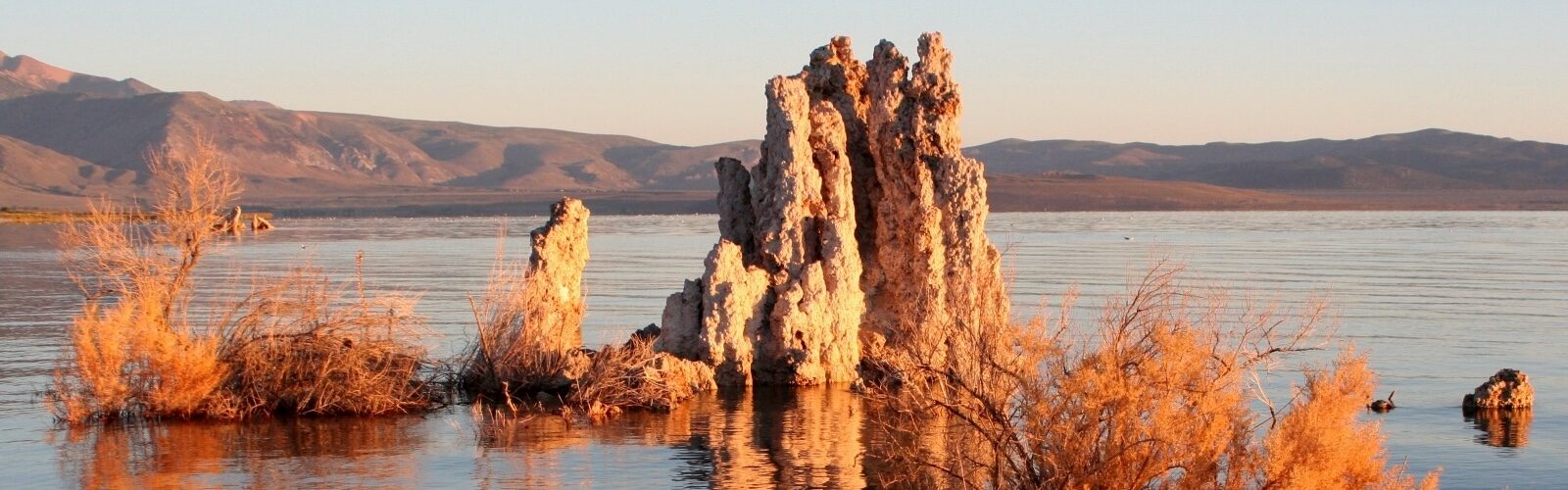
The origin of life on Earth required a supply of phosphorus (P) for the synthesis of universal biomolecules. Closed lakes may have accumulated high P concentrations on early Earth. However, it is not clear whether prebiotic P uptake in such settings would then have been sustainable. We show that large closed-basin lakes can combine high P concentrations at steady state with extremely high rates of biological productivity. Our case study is Mono Lake in California, which has close to 1 millimolar dissolved P at steady state despite extremely high rates of biological productivity, in contrast to smaller closed basins where life is scarce. Hence, large closed-basin lakes offer an environment where high rates of prebiotic P productivity can plausibly coexist with high steady-state P concentrations. Such lakes should have readily formed on the heavily cratered and volcanically active surface of early Earth.
Research Fields
Natural Sciences, Physics & Astronomy

Stepwise assembly and release of Tc toxins from Yersinia entomophaga
Tc toxins are virulence factors of bacterial pathogens. Although their structure and intoxication mechanism are well understood, it remains elusive where this large macromolecular complex is assembled and how it is released. Here we show by an integrative multiscale imaging approach that Yersinia entomophaga Tc (YenTc) toxin components are expressed only in a subpopulation of cells that are ‘primed’ with several other potential virulence factors, including filaments of the protease M66/StcE. A phage-like lysis cassette is required for YenTc release; however, before resulting in complete cell lysis, the lysis cassette generates intermediate ‘ghost’ cells, which may serve as assembly compartments and become packed with assembled YenTc holotoxins. We hypothesize that this stepwise mechanism evolved to minimize the number of cells that need to be killed. The occurrence of similar lysis cassettes in diverse organisms indicates a conserved mechanism for Tc toxin release that may apply to other extracellular macromolecular machines.
Research Fields
Biochemistry & Molecular Biology, Biomedical Research, Health Sciences, Microbiology
3 of 3 Publications
News


April 11, 2025
How human cells repair damaged DNA
NOMIS Professor of Genome Biology Jacob Corn and fellow researchers at ETH Zurich have unravelled the complex network that cells use to repair their genetic material. By examining thousands upon thousands of genetic interactions, the team has discovered new vulnerabilities in cancer cells that could be exploited therapeutically in the future. Their findings were published […]
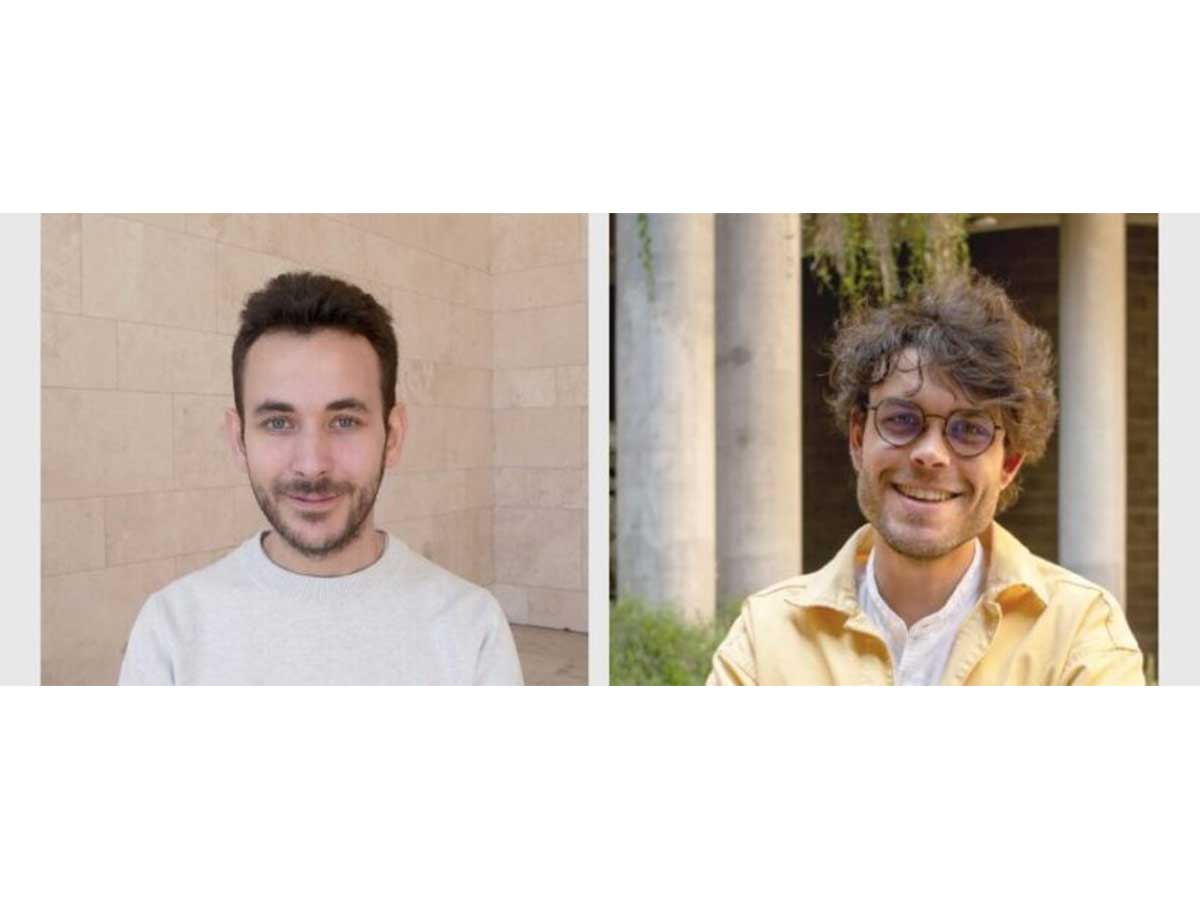

Thomas Drant and Antonin Affholder have been named the new NOMIS–ETH Fellows at the Centre for Origin and Prevalence of Life (COPL) at ETH Zurich. Supporting COPL’s interdisciplinary and collaborative effort to explore fundamental questions about how and why life began, the NOMIS–ETH Fellowship Program enables exceptional early-career researchers to examine these big questions, make […]

March 26, 2025
Were large soda lakes the cradle of life?
Scientists have long puzzled over how life could have emerged when phosphorus, a key ingredient for DNA, RNA, and cellular energy, was so scarce on early Earth. New research by NOMIS–ETH Fellow Craig Walton and fellow scientists suggests that large soda lakes — alkali lakes rich in dissolved sodium salts — could have concentrated phosphorus […]
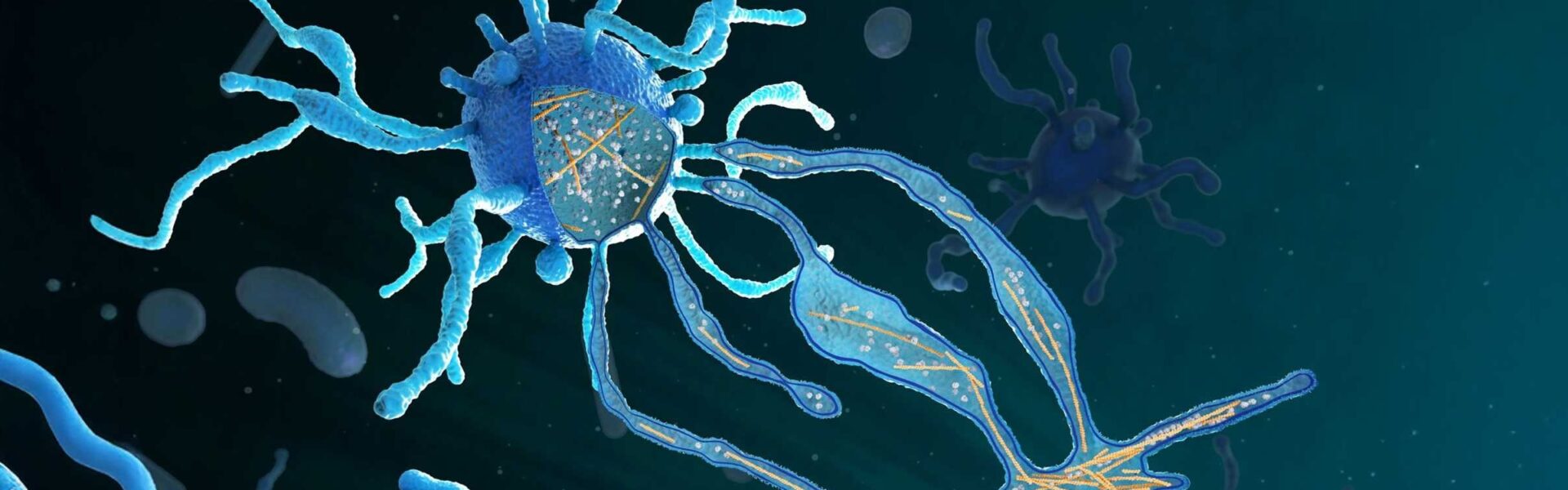

Discovered just a decade ago, Asgard archaea are a group of microbes that bridge the gap between bacteria, simple archaea, and complex life forms like plants and animals. Martin Pilhofer, NOMIS Professor of Cryo-Electron Microscopy at ETH Zurich, and fellow researchers recently studied one species, Lokiarchaeum ossiferum, and found that it contains cytoskeletal proteins strikingly […]

March 31, 2024
ETH Zurich announces 2024 NOMIS–ETH Fellows
ETH Zurich has announced the three postdoctoral fellows who will join the Centre for Origin and Prevalence of Life (COPL) at ETH as part of the NOMIS–ETH Fellowship Program. David Schnettler, Taylor Priest and Sean Jordan will begin their NOMIS Fellowships between July and September this year. The ETH announcement follows. 2024 Cohort of the […]
