
Professorship of Genome Biology, ETH Zurich

As clinical medicine shifts toward targeted, personalized therapies for widespread diseases such as cancer and diabetes, understanding how genetic variations drive disease is critical. To push the boundaries of personalized health and technology, we established the Professorship of Genome Biology at ETH Zurich, in cooperation with the Lotte und Adolf Hotz-Sprenger Stiftung. Housed within ETH’s Department of Biology, the professorship drives an independent, cutting-edge research program in human and mammalian genomics — developing the tools and data necessary to pioneer a deeper understanding of the complex traits and interaction networks underlying human disease.
By mapping the functional elements encoded in complex genomes, the research links genetic variation within the human population to individual disease susceptibility, pinpointing the precise cellular signatures and mutations that drive conditions such as cancer. The professorship develops and applies advanced computational tools to decode the distinctive cellular mutations of diseases and predict individual drug responses. This rigorous research translates raw genomic data into actionable insights, providing the molecular foundations necessary to successfully tailor medical treatments to individual genetic profiles.
People
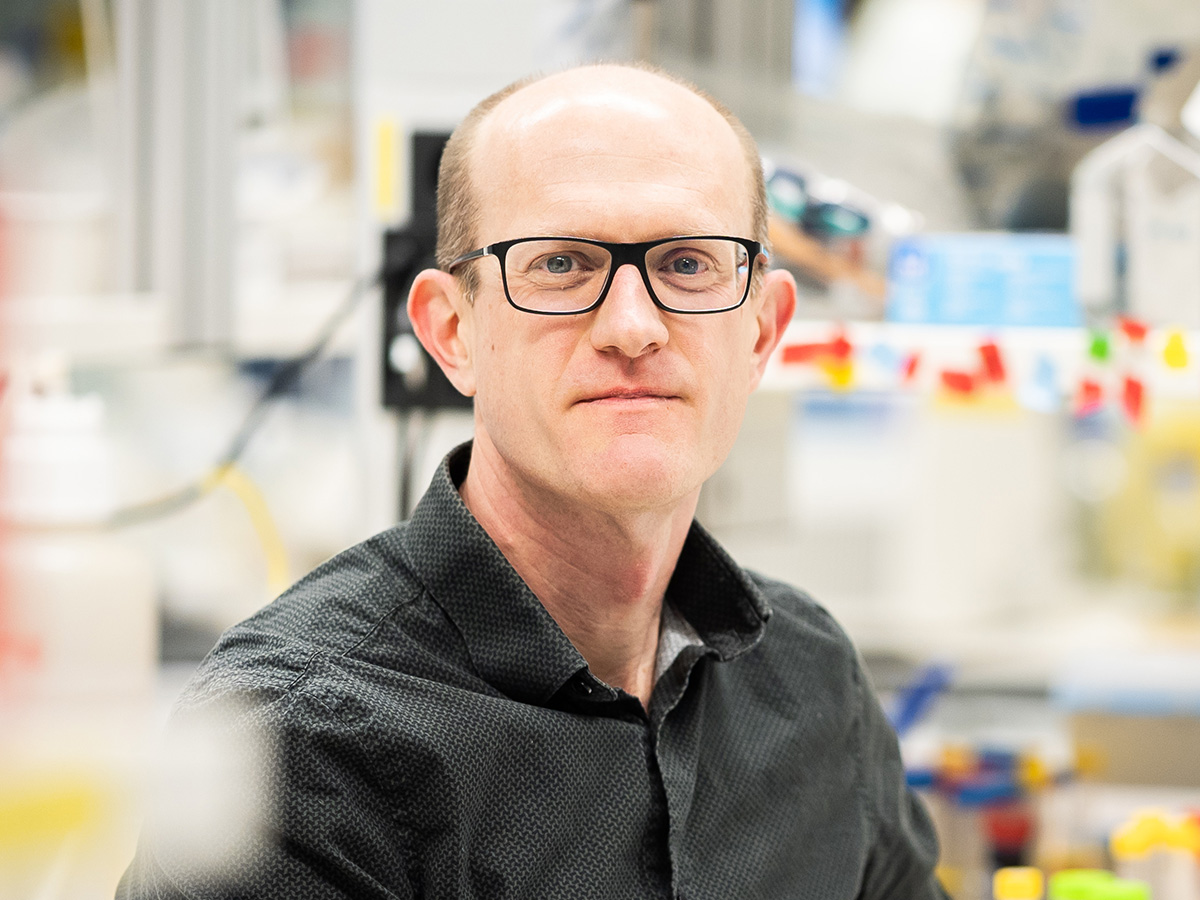
About Jacob Corn Jacob Corn is the Professor of Genome Biology at ETH Zurich (Zurich, Switzerland). In addition to the professorship, he is leading the Unbiased Discovery of Heterogeneous DNA Repair Preferences project. Corn earned a BS in biology from the University of Puget Sound (Tacoma, US) in 2001 and a PhD in molecular and […]
Professor of Genome Biology
ETH Zurich
1 of 1 People
Publications

FOXP3 expression depends on cell-type-specific cis-regulatory elements and transcription factor circuitry
FOXP3 is a lineage-defining transcription factor (TF) for immune-suppressive regulatory T cells (Treg cells). Although mice exclusively express FOXP3 in Treg cells, stimulated conventional CD4+ T cells (Tconv cells) also transiently express FOXP3 in humans. Mechanisms governing these distinct expression patterns need elucidation. Here, we performed CRISPR screens tiling the FOXP3 locus and targeting TFs in human Treg and Tconv cells to identify cis-regulatory elements (CREs) and trans-regulators of FOXP3. Tconv cell FOXP3 expression depended on a subset of Treg cell CREs, as well as Tconv-cell-selective positive (NS+) and negative (NS−) CREs. Combinatorial silencing of Tconv cell CREs revealed their epistatic logic. These CREs are occupied and regulated by TFs that we identified as FOXP3 regulators. Finally, mutagenesis of murine NS− CRE revealed its essentiality for restricting FOXP3 expression to Treg cells. We map CRE and TF circuitry to reveal distinct cell- and species-specific regulation of FOXP3 expression.
Research Fields
Biochemistry & Molecular Biology, Biomedical Research, Clinical Medicine, Health Sciences, Immunology

Comprehensive interrogation of synthetic lethality in the DNA damage response
The DNA damage response (DDR) is a multifaceted network of pathways that preserves genome stability1,2. Unravelling the complementary interplay between these pathways remains a challenge3,4. Here we used CRISPR interference (CRISPRi) screening to comprehensively map the genetic interactions required for survival during normal human cell homeostasis across all core DDR genes. We captured known interactions and discovered myriad new connections that are available online. We defined the molecular mechanism of two of the strongest interactions. First, we found that WDR48 works with USP1 to restrain PCNA degradation in FEN1/LIG1-deficient cells. Second, we found that SMARCAL1 and FANCM directly unwind TA-rich DNA cruciforms, preventing catastrophic chromosome breakage by the ERCC1–ERCC4 complex. Our data yield fundamental insights into genome maintenance, provide a springboard for mechanistic investigations into new connections between DDR factors and pinpoint synthetic vulnerabilities that could be exploited in cancer therapy.
Research Fields
Applied Sciences, Biochemistry & Molecular Biology, Bioinformatics, Biomedical Research, Clinical Medicine, Enabling & Strategic Technologies, Genetics & Heredity, Health Sciences, Oncology & Carcinogenesis

Genome editing with the HDR-enhancing DNA-PKcs inhibitor AZD7648 causes large-scale genomic alterations
The DNA-PKcs inhibitor AZD7648 enhances CRISPR–Cas9-directed homology-directed repair efficiencies, with potential for clinical utility, but its possible on-target consequences are unknown. We found that genome editing with AZD7648 causes frequent kilobase-scale and megabase-scale deletions, chromosome arm loss and translocations. These large-scale chromosomal alterations evade detection through typical genome editing assays, prompting caution in deploying AZD7648 and reinforcing the need to investigate multiple types of potential editing outcomes.
Research Fields
Biochemistry & Molecular Biology, Genetics & Heredity
Removal of TREX1 activity enhances CRISPR–Cas9-mediated homologous recombination
CRISPR–Cas9-mediated homology-directed repair (HDR) can introduce desired mutations at targeted genomic sites, but achieving high efficiencies is a major hurdle in many cell types, including cells deficient in DNA repair activity. In this study, we used genome-wide screening in Fanconi anemia patient lymphoblastic cell lines to uncover suppressors of CRISPR–Cas9-mediated HDR. We found that a single exonuclease, TREX1, reduces HDR efficiency when the repair template is a single-stranded or linearized double-stranded DNA. TREX1 expression serves as a biomarker for CRISPR–Cas9-mediated HDR in that the high TREX1 expression present in many different cell types (such as U2OS, Jurkat, MDA-MB-231 and primary T cells as well as hematopoietic stem and progenitor cells) predicts poor HDR. Here we demonstrate rescue of HDR efficiency (ranging from two-fold to eight-fold improvement) either by TREX1 knockout or by the use of single-stranded DNA templates chemically protected from TREX1 activity. Our data explain why some cell types are easier to edit than others and indicate routes for increasing CRISPR–Cas9-mediated HDR in TREX1-expressing contexts.
Research Fields
Biochemistry & Molecular Biology, Genetics & Heredity
CCAR1 promotes DNA repair via alternative splicing
DNA repair is directly performed by hundreds of core factors and indirectly regulated by thousands of others. We massively expanded a CRISPR inhibition and Cas9-editing screening system to discover factors indirectly modulating homology-directed repair (HDR) in the context of ∼18,000 individual gene knockdowns. We focused on CCAR1, a poorly understood gene that we found the depletion of reduced both HDR and interstrand crosslink repair, phenocopying the loss of the Fanconi anemia pathway. CCAR1 loss abrogated FANCA protein without substantial reduction in the level of its mRNA or that of other FA genes. We instead found that CCAR1 prevents inclusion of a poison exon in FANCA. Transcriptomic analysis revealed that the CCAR1 splicing modulatory activity is not limited to FANCA, and it instead regulates widespread changes in alternative splicing that would damage coding sequences in mouse and human cells. CCAR1 therefore has an unanticipated function as a splicing fidelity factor.
Research Fields
Biomedical Research, Genetics & Heredity

Engineering of the endogenous HBD promoter increases HbA2
The β-hemoglobinopathies, such as sickle cell disease and β-thalassemia, are one of the most common genetic diseases worldwide and are caused by mutations affecting the structure or production of β-globin subunits in adult hemoglobin. Many gene editing efforts to treat the β-he-moglobinopathies attempt to correct β-globin mutations or increase γ-globin for fetal hemoglobin production. δ-globin, the subunit of adult hemoglobin A2, has high homology to β-globin and is already pan-cellularly expressed at low levels in adult red blood cells. However, upregulation of δ-globin is a relatively unexplored avenue to increase the amount of functional hemoglobin. Here, we use CRISPR-Cas9 to repair non-functional transcriptional elements in the endogenous promoter region of δ-globin to increase overall expression of adult hemoglobin 2 (HbA2). We find that insertion of a KLF1 site alone is insufficient to upregulate δ-globin. Instead, multiple transcription factor elements are necessary for robust upregulation of δ-globin from the endogenous locus. Promoter edited HUDEP-2 immortalized erythroid progenitor cells exhibit striking increases of HBD transcript, from less than 5% to over 20% of total β-like globins in clonal populations. Edited CD34 +hemato-poietic stem and progenitors (HSPCs) differentiated to primary human erythroblasts express up to 46% HBD in clonal populations. These findings add mechanistic insight to globin gene regulation and offer a new therapeutic avenue to treat β-hemoglobinopathies. © 2023, eLife Sciences Publications Ltd. All rights reserved.
Research Fields
Biomedical Research, Developmental Biology, Health Sciences
Semisynthetic LC3 Probes for Autophagy Pathways Reveal a Noncanonical LC3 Interacting Region Motif Crucial for the Enzymatic Activity of Human ATG3
Macroautophagy is one of two major degradation systems in eukaryotic cells. Regulation and control of autophagy are often achieved through the presence of short peptide sequences called LC3 interacting regions (LIR) in autophagy-involved proteins. Using a combination of new protein-derived activity-based probes prepared from recombinant LC3 proteins, along with protein modeling and X-ray crystallography of the ATG3-LIR peptide complex, we identified a noncanonical LIR motif in the human E2 enzyme responsible for LC3 lipidation, ATG3. The LIR motif is present in the flexible region of ATG3 and adopts an uncommon β-sheet structure binding to the backside of LC3. We show that the β-sheet conformation is crucial for its interaction with LC3 and used this insight to design synthetic macrocyclic peptide-binders to ATG3. CRISPR-enabled in cellulo studies provide evidence that LIRATG3is required for LC3 lipidation and ATG3∼LC3 thioester formation. Removal of LIRATG3negatively impacts the rate of thioester transfer from ATG7 to ATG3. © 2023 American Chemical Society. All rights reserved.
Research Fields
Chemistry, Health Sciences, Organic Chemistry

Recursive Editing improves homology-directed repair through retargeting of undesired outcomes
CRISPR-Cas induced homology-directed repair (HDR) enables the installation of a broad range of precise genomic modifications from an exogenous donor template. However, applications of HDR in human cells are often hampered by poor efficiency, stemming from a preference for error-prone end joining pathways that yield short insertions and deletions. Here, we describe Recursive Editing, an HDR improvement strategy that selectively retargets undesired indel outcomes to create additional opportunities to produce the desired HDR allele. We introduce a software tool, named REtarget, that enables the rational design of Recursive Editing experiments. Using REtarget-designed guide RNAs in single editing reactions, Recursive Editing can simultaneously boost HDR efficiencies and reduce undesired indels. We also harness REtarget to generate databases for particularly effective Recursive Editing sites across the genome, to endogenously tag proteins, and to target pathogenic mutations. Recursive Editing constitutes an easy-to-use approach without potentially deleterious cell manipulations and little added experimental burden.
Research Fields
Biomedical Research, Developmental Biology, Health Sciences
8 of 16 Publications
News

August 12, 2024
Method blocking TREX1 enzyme boosts CRISPR gene editing efficiency in hard-to-edit cells
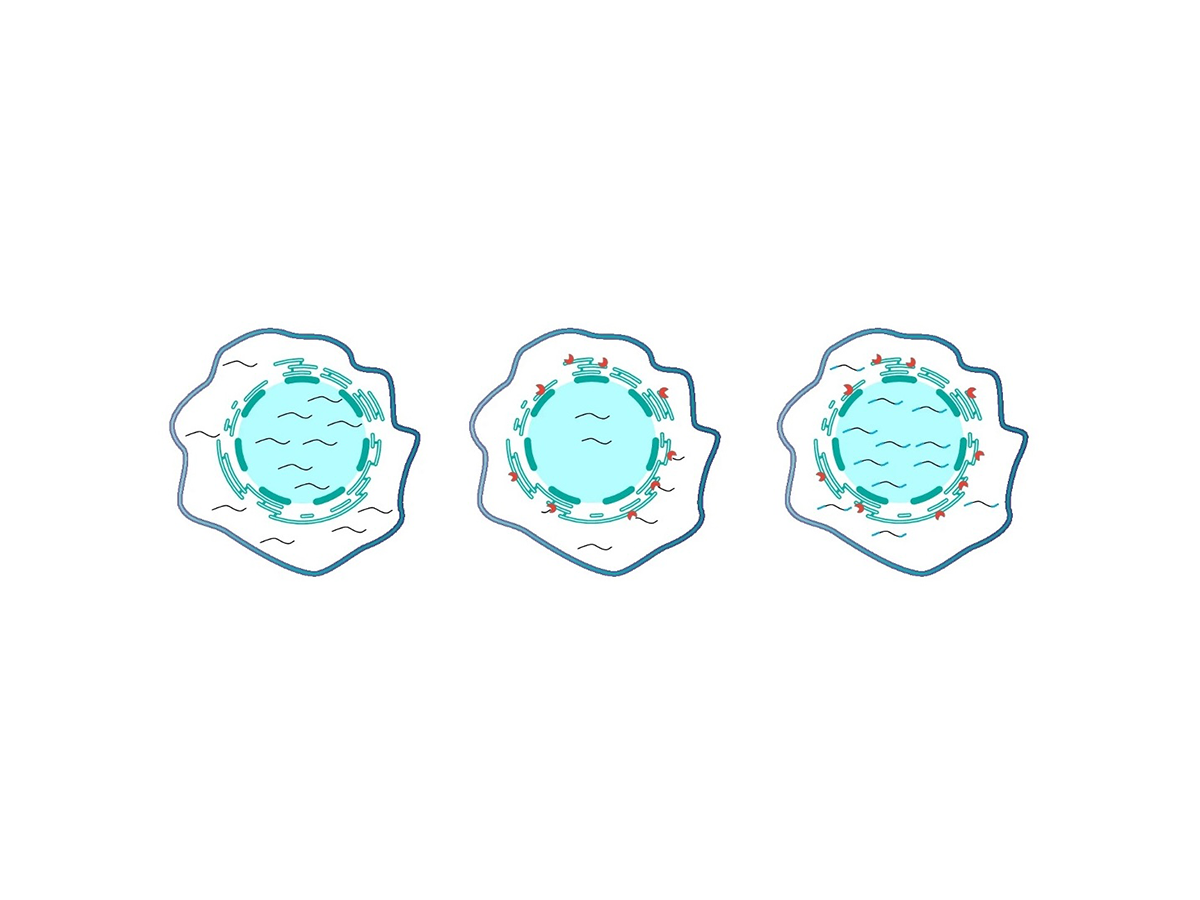
NOMIS researcher Jacob Corn and colleagues have discovered that the enzyme TREX1 hinders the efficiency of CRISPR gene editing in certain cells. By blocking TREX1 or using protected DNA templates, the researchers were able to significantly improve gene editing, offering new strategies to enhance genome editing in challenging contexts. Their findings were published in Nature […]

October 8, 2019
Jacob Corn lecture sheds light on genome editing
According to Professor Jacob Corn, we are standing on the threshold of major medical breakthroughs: thanks to advances in the field of genome editing, it may be possible in future to heal genetic diseases as easily as broken bones. Corn, who has been Professor of Genome Biology at ETH Zurich since 2018, researches how damage to […]

December 14, 2018
Advancing personalized health: an interview with Jacob Corn
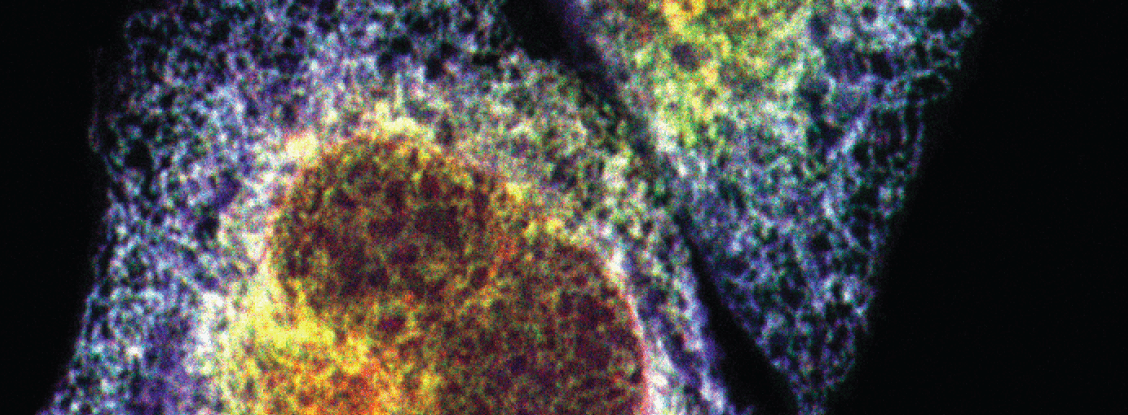
Personalized medicine is changing the way clinicians approach diagnosis and treatment by tailoring therapy to individual molecular and genetic profiles. While the idea of tailored medical treatment is not new, this medical model is rapidly evolving as new technologies are developed. Jacob Corn, Professor of Genome Biology at ETH Zurich, is working to advance personalized […]

October 8, 2018
ETH Zurich: "Insight into the world of designer DNA drugs"
The ETH Zurich Foundation has published an article highlighting NOMIS Distinguished Scientist Don W. Cleveland’s lecture at ETH Zurich on Oct. 3, 2018. The talk, which was part of the NOMIS event celebrating the 2018 Distinguished Scientist awardees, addressed aspects of Cleveland’s work, including his gene-silencing therapies, also known as designer DNA drugs, which can […]

March 13, 2018
Jacob Corn named Professor of Genome Biology at ETH Zurich
Jacob Corn has been appointed Professor of Genome Biology at ETH Zurich. Corn is the founding scientific director of the Innovative Genomics Institute and adjunct assistant professor at the University of California, Berkeley. His research aims to bring about the end of genetic disease through the development and application of next-generation genome editing technologies — improving […]
