
NOMIS & Science Young Explorers are advancing sustainable farming and addiction treatment
Published on
November 5, 2026
Postdoctoral research fellow
Staff scientist
Organization

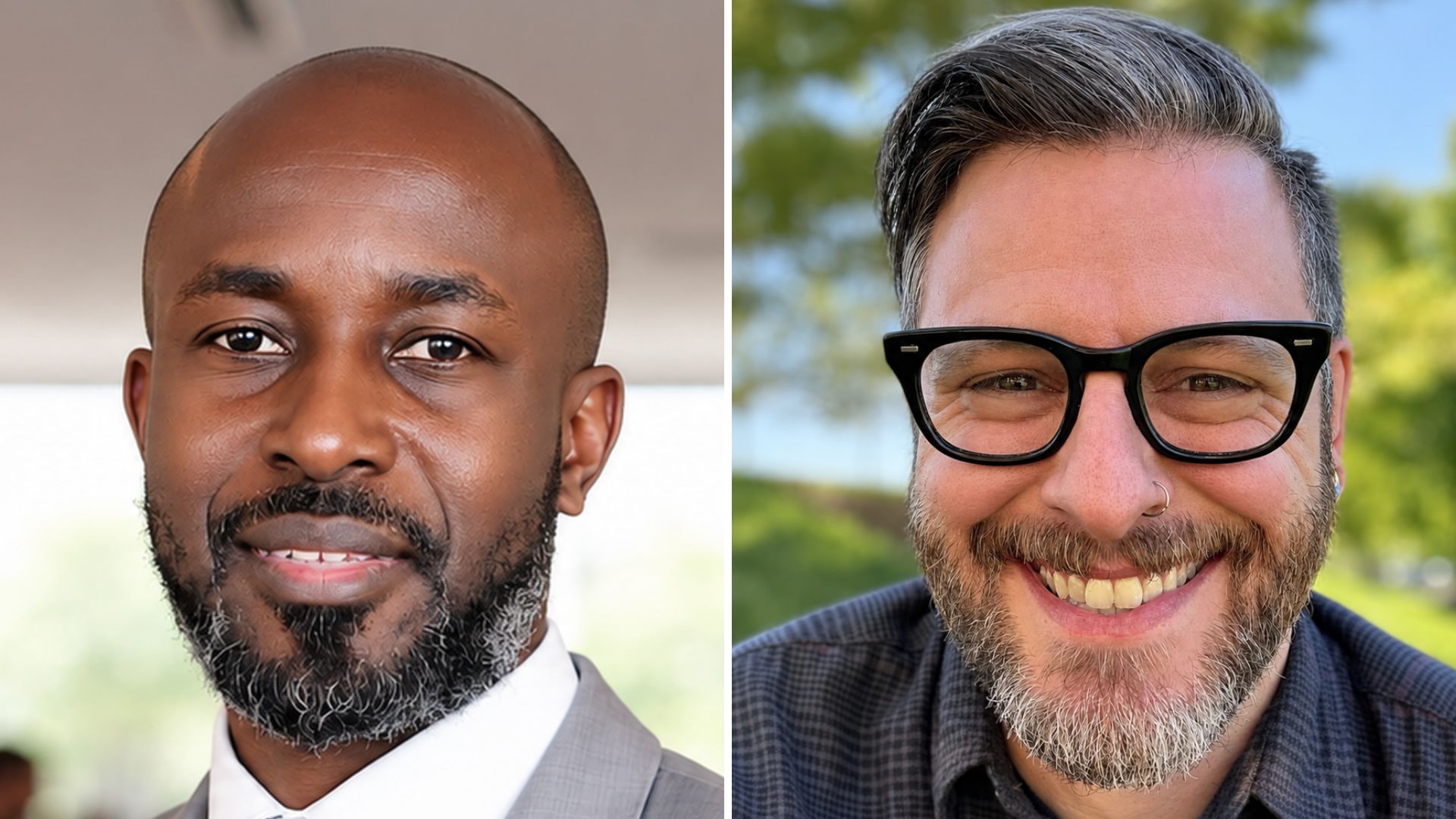
For their innovative work in rethinking conventional approaches to complex social problems, Willy Mulimbi and Peter Soyster are the grand prize winners of the 2026/27 NOMIS & Science Young Explorer Award.
by Walter Beckwith
Although the prize-winning essays focus on very different fields — sustainable agriculture and personalized approaches to addiction treatment, respectively — they share an important underlying theme: successful interventions must account for real-world complexity and be informed by the circumstances and behavior of the people they ultimately aim to serve.
“Mulimbi integrates economics, ecology, and behavioral science to understand the drivers and risks associated with a shift towards conservation agriculture in small holder farm settings in Africa,” said Stella Hurtley, deputy editor at Science. “Soyster generates a model that can accurately predict people’s responses to triggers that encourage them to take the illicit drug cannabis.”
“Bold science across different fields needs the courage to not only ask but to follow through on questions others might dismiss, and the endurance to pursue discoveries whose potential impact may take some time to emerge. I am delighted that also this year’s Young Explorers set out on that path,” said Markus Reinhard, NOMIS Foundation managing director.
Rethinking farming for a more sustainable future in Africa
In many parts of Africa, farming remains rooted in generations-old practices that involve repeatedly tilling the soil, despite mounting evidence that these methods can degrade the land and undermine long-term productivity. Conservation agriculture, an approach which minimizes soil disturbance and works with natural processes, could improve agricultural sustainability, particularly for smallholder farmers.
However, according to Mulimbi, adoption of these more sustainable practices has lagged, not because they are unfamiliar, but because they require a structural shift in long-standing beliefs about what farming should look like.
“One of the biggest examples I often give is from the Shi tribe in the Eastern [Democratic Republic of the Congo], where the hoe is a traditional symbol and has a high social value. In Shi culture, ‘tilling with a hoe’ is considered natural behavior. Unfortunately, the hoe their ancestors used was smaller than the larger hoe used today, meaning the soil suffers even more damage today than in the past,” Mulimbi shared.
“It’s almost as if Shi farmers do not understand why they till, and they do so just because they have tools inherited from their ancestors.”
In his prize-winning essay, Mulimbi, a postdoctoral researcher at the University of Arkansas’ Department of Agricultural Economics and Agribusiness, shows how conservation agriculture has the potential to provide benefits that extend beyond healthier soils and increased productivity and include reduced deforestation and greater safety for women farmers who have to travel long distances to find suitable farmland.
Yet Mulimbi also found that urban consumers showed no significant willingness to pay more for sustainably produced crops, suggesting that wider adoption will depend on government support and education rather than consumer demand.
Ultimately, he argues that expanding conservation agriculture in Africa requires addressing deeply rooted farming traditions and socioeconomic barriers to help farmers build more resilient and productive agricultural systems. “Resilience emerges not from forcefully shaping the land, but from working with natural processes,” writes Mulimbi.
“I seek to map how African farmers can transition from tradition-bound tillage to an ecological stewardship mindset to enable them to adapt to climate change, strengthen food security, and reclaim autonomy over their landscapes and livelihoods.”
Beyond a one-size-fits-all approach to addiction treatment
Traditional approaches to addiction research often rely on averages drawn from large groups of people, overlooking the individual differences that shape behavior and influence treatment outcomes.
Inspired by his own lived experience, Soyster, a staff scientist at the National Institute on Drug Abuse Intramural Research Program, approaches the issue with a more personalized approach to identify the emotional, behavioral and environmental factors that influence substance use in each individual.
“Growing up in a family that was majorly impacted by addiction, mental illness and developmental disability, I watched a lot of good, caring providers try to help us. But even as a kid, I couldn’t understand why they couldn’t see that a treatment plan that worked on paper was completely backfiring because of our chaotic daily circumstances or that it addressed a textbook presentation while missing the experiences that were actually the most distressing to live with,” said Soyster.
“Wondering why help kept missing the mark because it didn’t fit the actual reality of our lives was what drove me to build tools that help clinicians truly see the person in front of them.”
Soyster’s research uses a precision-medicine approach to addiction psychology, combining frequent smartphone-based surveys with machine learning to develop predictive behavioral models tailored to each person. According to his studies, these individualized models predict cannabis use behavior more accurately than conventional group-based approaches — and even outperformed participants’ own beliefs about what drives their behavior.
By working with people who have lived experience of substance use and treating their perspectives as central to the research, Soyster’s work aims to move beyond broad diagnostic categories toward more precise, responsive approaches to addiction treatment that reflect the complexity of individual lives.
“A through-line of my research program is an attempt to increase diverse representation in science. For me, increasing representation in substance use research goes beyond simply trying to have a demographically diverse participant pool. Rather, my work seeks to fundamentally shift the structures of power that commonly exist in science,” said Soyster.
“I believe that by limiting the perspectives that are allowed to contribute to science, we have missed many opportunities for advances in our understanding of the mind and behavior.”
Human-centered research can drive meaningful change
“Over the last five years the NOMIS prize has rewarded a wide range of young scientists in areas ranging from pandemic spread, through the creativity that can be gleaned from dreaming, into how problem solving solutions are transmitted between individuals and groups,” said Hurtley.
“This year’s winners once again inspire us with their creativity bridging problems at the intersection of life and social science.”
According to Mulimbi, widespread adoption of conservation agriculture will require approaches tailored to local conditions, supported by government policies, agricultural education and accessible training for rural farmers. And its success should be measured not only by improved food security and livelihoods but also by reducing the physical and economic burdens on smallholder farmers, particularly women.
And for Soyster, although the early findings are promising, further clinical trials are needed to determine whether targeting individually identified behavioral triggers can change substance use. Ultimately, the goal is to develop accessible tools that help clinicians translate complex predictive models into personalized interventions, complementing existing treatments with a deeper understanding of each person’s lived experience.
“In reality, moving towards precision behavioral health doesn’t mean abandoning clinical insight, or group-level inference,” he said.
“It would just allow us to look beyond some of the limits of our current approaches, to better understand the actual lived experience of the people we are trying to help.”
Feature image (left to right): Willy Mulimbi and Peter Soyster (Photos courtesy of Mulimbi/Soyster)
Related news
AAAS release: NOMIS Prize Highlights Advances in Sustainable Farming in Africa and Personalized Addiction Treatment
NOMIS researchers

About Willy Mulimbi Willy Mulimbi is a grand prize winner of the 2026/27 NOMIS & Science Young Explorer Award. He is a postdoctoral research fellow in the Department of Agricultural Economics and Agribusiness (AEAB) at the University of Arkansas in Fayetteville, US. Mulimbi received an undergraduate degree and an agronomist engineer degree from Université Catholique […]
Postdoctoral research fellow
University of Arkansas
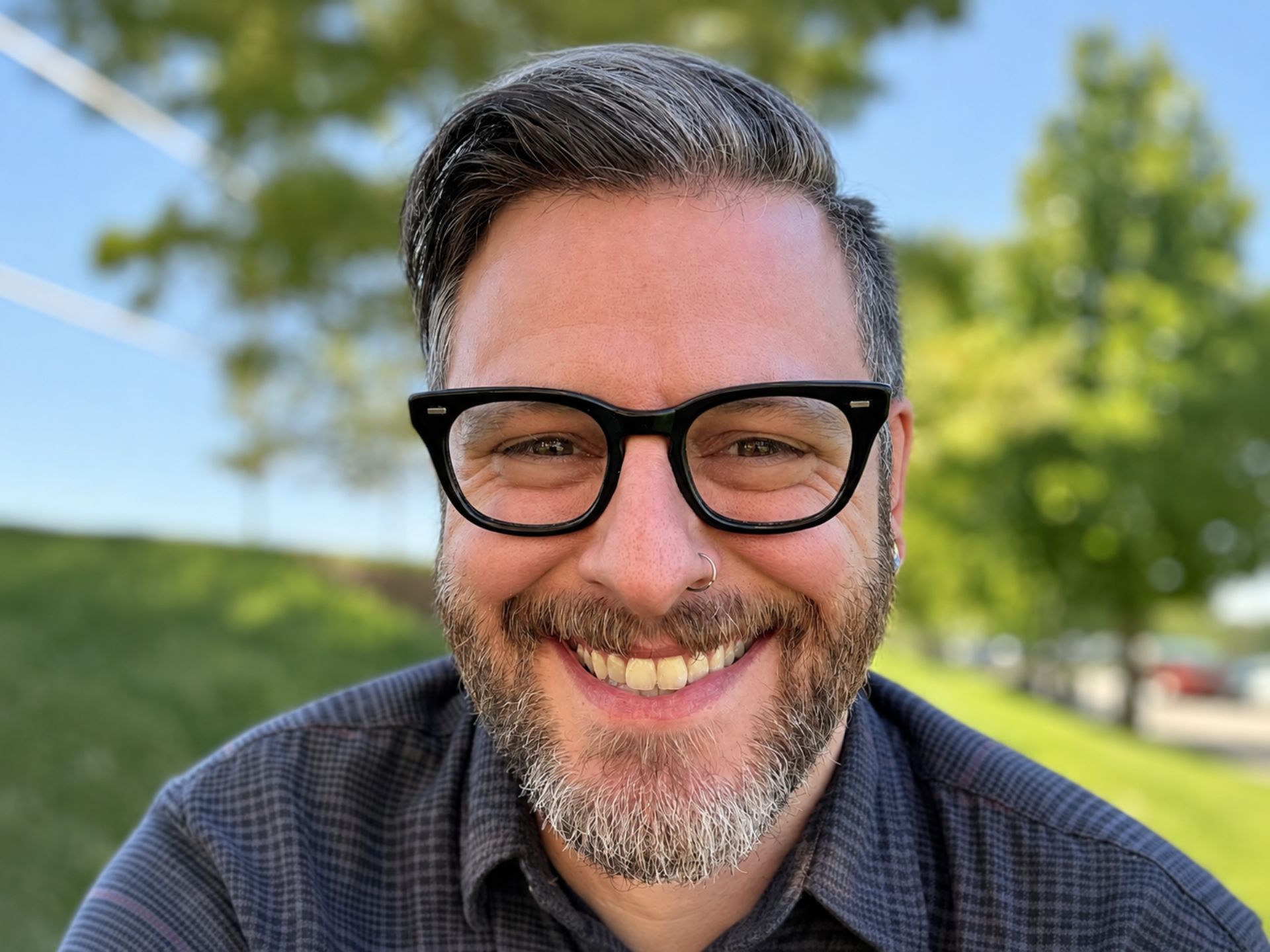
About Peter Soyster Peter Soyster is a grand prize winner of the 2026/27 NOMIS & Science Young Explorer Award. He is a staff scientist at the National Institute on Drug Abuse (NIDA) Intramural Research Program. Soyster received a BA, MA and PhD in clinical psychology from the University of California, Berkeley in the US. He […]
Staff scientist
National Institute on Drug Abuse
