
NOMIS & Science Young Explorer Award ceremony celebrates bold scientists
Published on
June 16, 2026
Assistant professor
Postdoctoral fellow
Organization
Why do global crises become background noise, and how do our genetics and environment shape complex human traits? Researchers Rachit Dubey and Jiacheng Miao crossed scientific boundaries to answer these fundamental questions. Their bold, innovative work earned them the 2025/26 NOMIS & Science Young Explorer Award, which was presented on June 11 at a ceremony in Zurich.
Bridging life and social sciences is high-risk — especially for early-career researchers. Beyond the usual pressures to secure funding and publish, Stanford University postdoc Jiacheng Miao and UCLA assistant professor Rachit Dubey faced another barrier: The pressure to demonstrate immediate impact can crowd out transformative curiosity-driven research. That is exactly why the NOMIS & Science Young Explorer Award exists — to give emerging scientists the freedom to pursue game-changing, insight-driven research.
Meet the 2025/26 NOMIS & Science Young Explorers
Rachit Dubey‘s research uncovers how our minds normalize gradual changes, explaining why society often fails to urgently respond to slow-moving crises like climate change. Recounting his journey across the largely uncharted intersections of cognitive science, computer science and climate change, Dubey called the award a validation of his unique approach, emphasizing that it “encourages curiosity and bold risk-taking in young researchers.”
Read Dubey’s award-winning NOMIS & Science essay: “The normalization of (almost) everything: Our minds can get used to anything, and even crises start feeling normal”
Jiacheng Miao bridges biology and social context by developing statistical and artificial intelligence methods to analyze how genetic variations and environmental exposures shape human traits. Dedicated to making scientific analysis more equitable, Miao aims to “develop more rigorous methods that can identify these interactions more reliably from diverse data and use them to move towards a more precision mindset and precision policy.”
Read Miao’s award-winning NOMIS & Science essay: “Understanding nature and nurture: Statistical and AI innovations uncover how genes and environment shape human health”
Creating new opportunities for emerging researchers
The NOMIS & Science Young Explorer Award actively supports this academic freedom by championing exceptional early-career researchers who pursue unconventional, high-risk questions at the intersection of the life and social sciences. Established in 2021 by the NOMIS Foundation and Science/AAAS, the award is presented for outstanding research performed by applicants and described in an essay; winning essays are published in the journal Science. Reflecting on the foundation’s core mission to champion pioneering researchers, NOMIS Managing Director Markus Reinhard noted, “These scientists inspire us to see what science can achieve.”
Drawing on his dual perspective as both an accomplished researcher and an institutional leader, keynote speaker Martin Hetzer — president of the Institute of Science and Technology Austria (ISTA) and former chief science officer at the Salk Institute — argued, “Society that invites only short-term outcomes will eventually run out of long-term breakthroughs. This is why institutions must provide scientists the freedom and give them the time to pursue very ambitious ideas.”
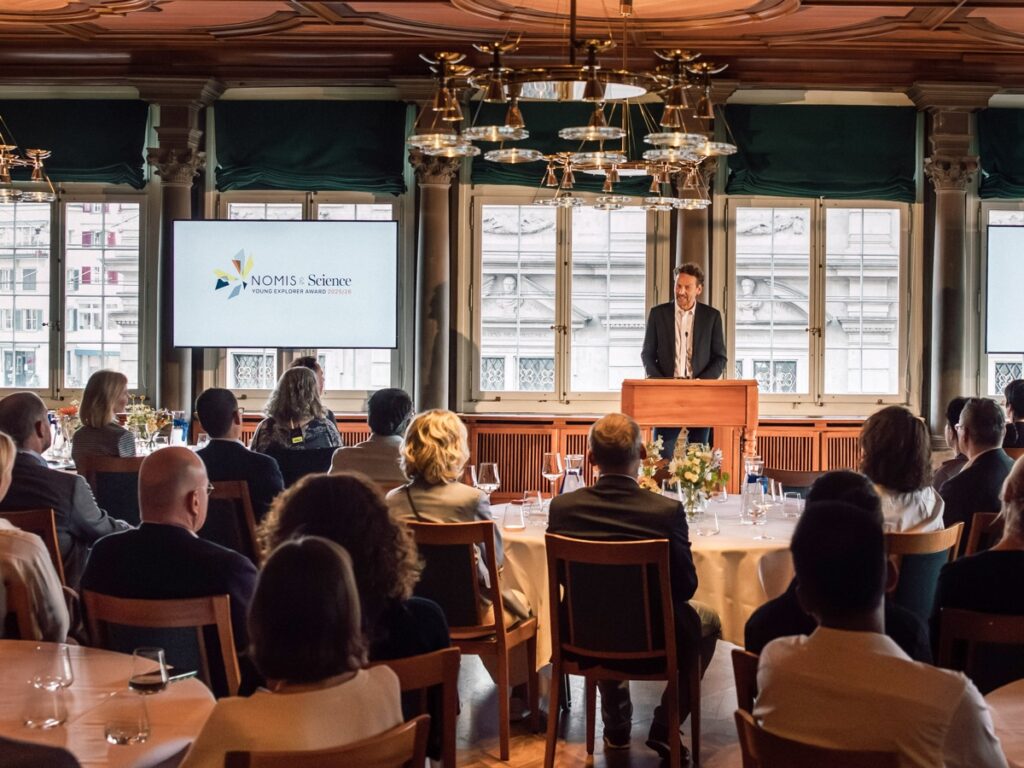
Although visa constraints prevented Dubey and Miao from attending the award ceremony in person, they were able to join the celebration remotely, sharing their insights with an audience of both emerging and established researchers. The evening was a testament to NOMIS’ and Science/AAAS’ shared values of supporting young researchers and encouraging interdisciplinary work. Emphasizing the vital need for global collaboration, Science Publisher Bill Moran highlighted another crucial shared value: championing “science without borders.”
About Science/AAAS
The American Association for the Advancement of Science (AAAS) is the world’s largest general scientific society, and publisher of the journals Science, Science Translational Medicine, Science Signaling, Science Advances, Science Immunology and Science Robotics. AAAS was founded in 1848 and includes some 254 affiliated societies and academies of science, serving 10 million individuals. Science, founded by Thomas Edison, has the largest paid circulation of any peer-reviewed general science journal in the world, with an estimated total readership of more than 400,000.
About the NOMIS Foundation
The NOMIS Foundation supports and enables insight-driven science across all disciplines, focusing on researchers who put forth bold new ideas, exhibit a pioneering spirit and seek to inspire the world around them. NOMIS’ vision is to “create a spark” in the world of science by enabling and supporting pioneering research in the natural sciences, social sciences and the humanities that benefits humankind and our planet.
Feature image
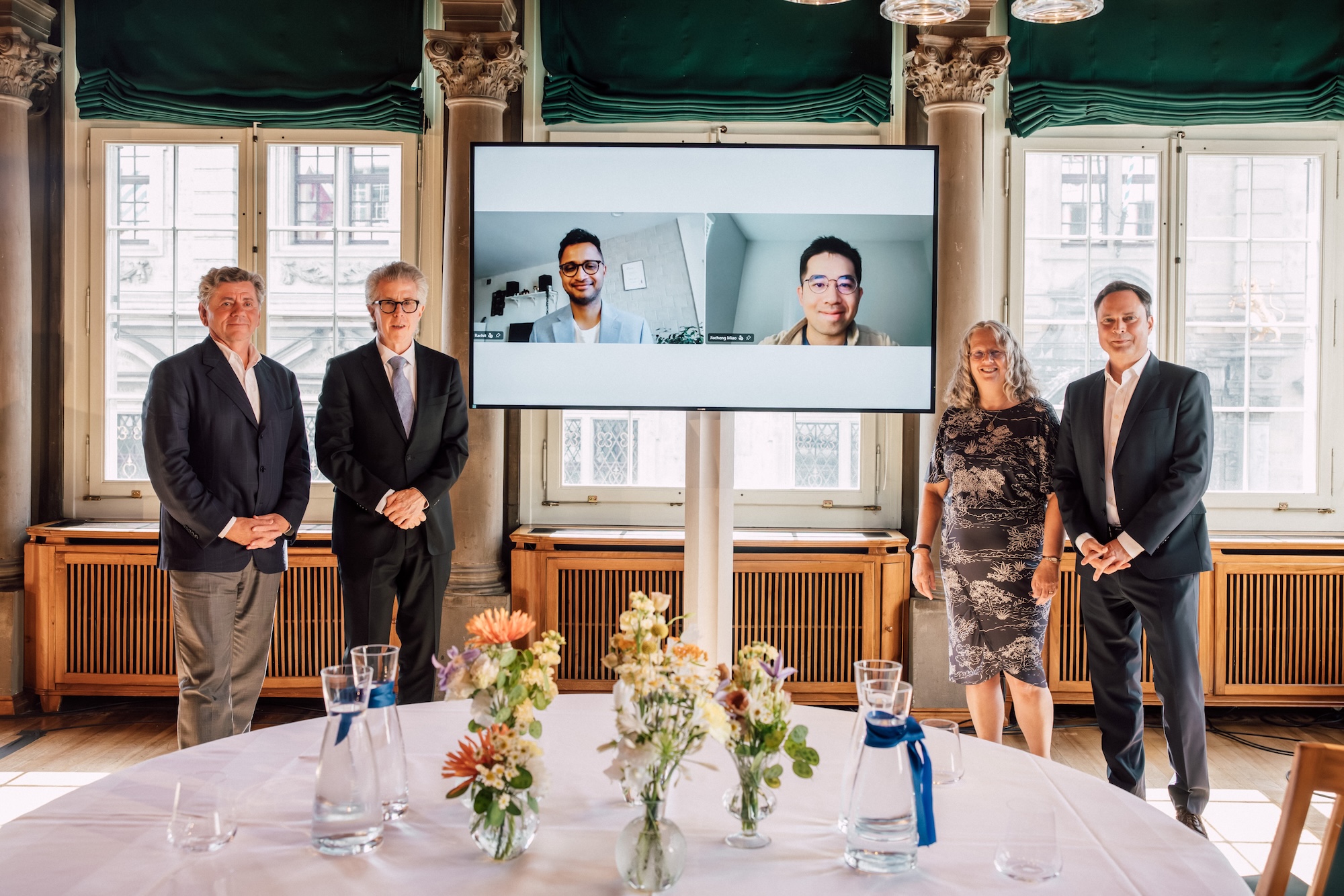
Rachit Dubey and Jiacheng Miao were presented with the 2025/26 NOMIS & Science Young Explorer Award on June 11, 2026, at a ceremony in Zurich. Pictured (from left to right) are: NOMIS Managing Director Markus Reinhard, Science Publisher Bill Moran, Dubey (left on screen), Miao (right on screen), Deputy Editor of Science Stella Hurtley, and NOMIS COO Jörg Heldmann.
NOMIS researchers
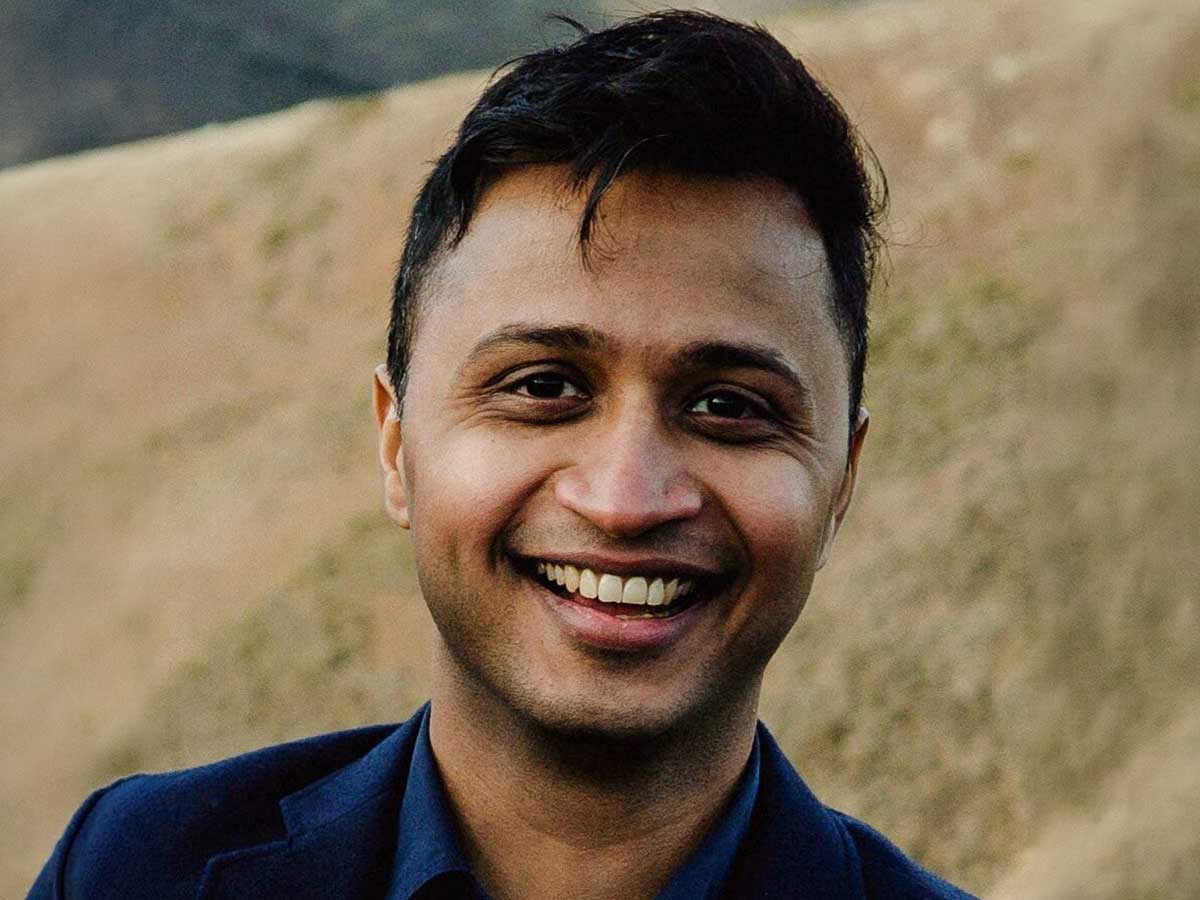
Rachit Dubey is a grand prize winner of the 2025/26 NOMIS & Science Young Explorer Award. He is assistant professor at the University of California, Los Angeles (UCLA).
Assistant professor
University of California, Los Angeles (UCLA)
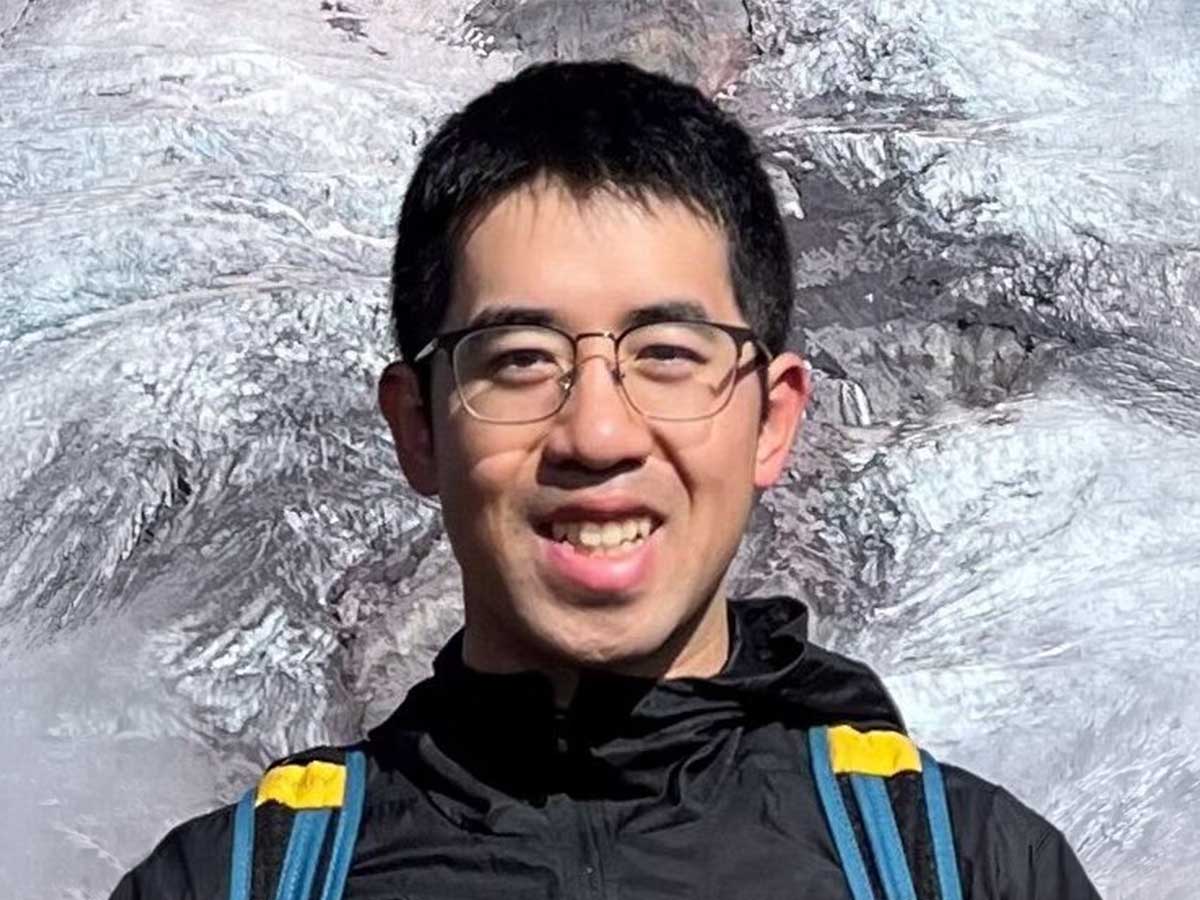
Jiacheng Miao is a grand prize winner of the 2025/26 NOMIS & Science Young Explorer Award. He is a postdoctoral fellow at Stanford University, US.
Postdoctoral fellow
Stanford University
