Beyond statistics
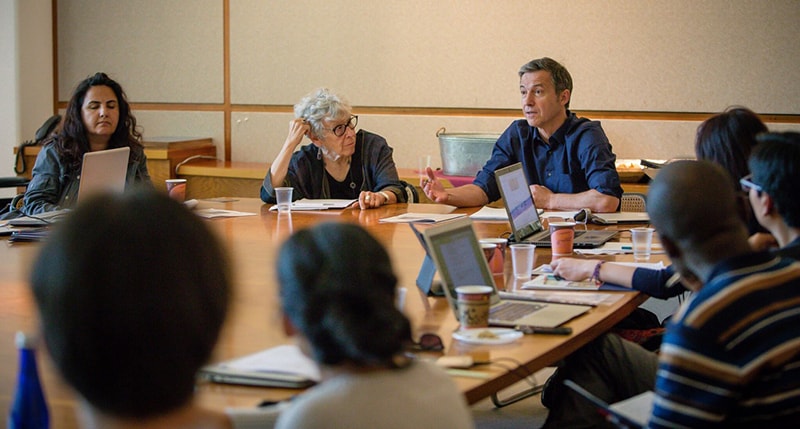
Inequality is usually measured in numbers. Didier Fassin, trained as both doctor and anthropologist, took a different approach. He spent years inside hospitals, police stations, immigration offices and aid organizations, watching how institutions actually work.
His question was simple but uncomfortable: how do societies decide which lives matter?
Inside the machinery
The answer, he found, was often framed as technical but was deeply moral. Health status frequently became a gateway to recognition. Physical suffering could legitimize claims that social or political arguments could not.
The body as credential
Fassin called this “biolegitimacy.” Modern institutions prioritize biological survival over broader rights or social inclusion. This is not stated explicitly. It emerges from routine procedures.
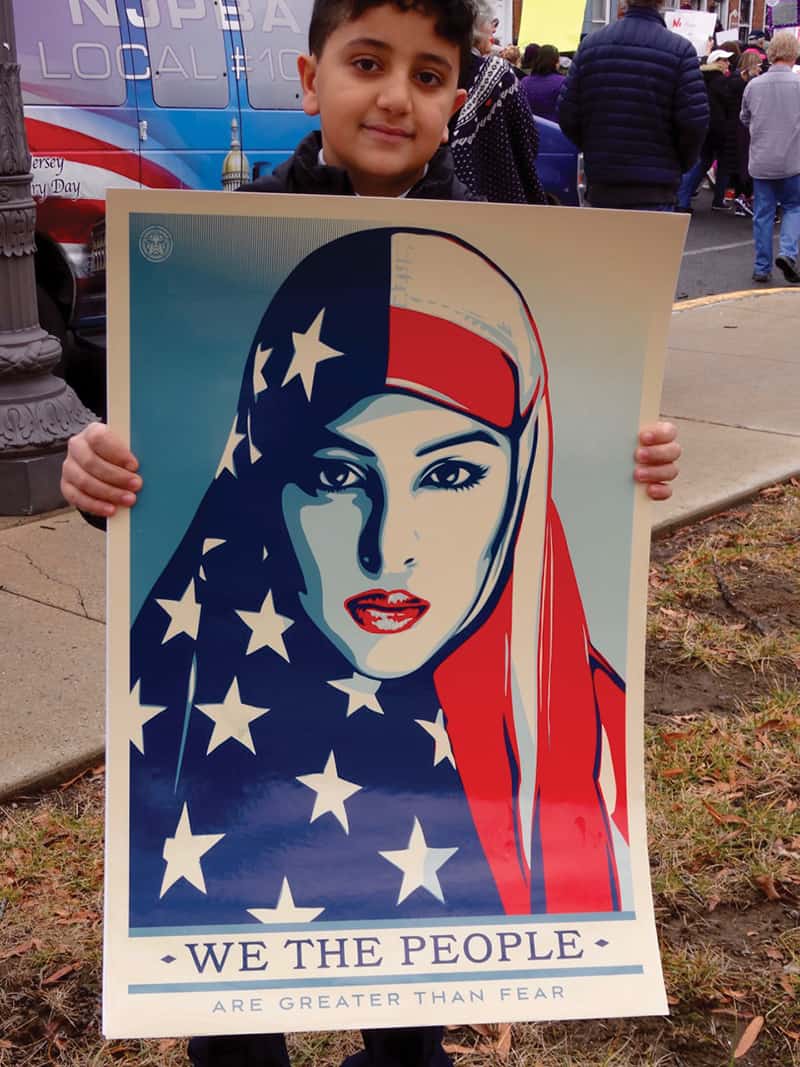
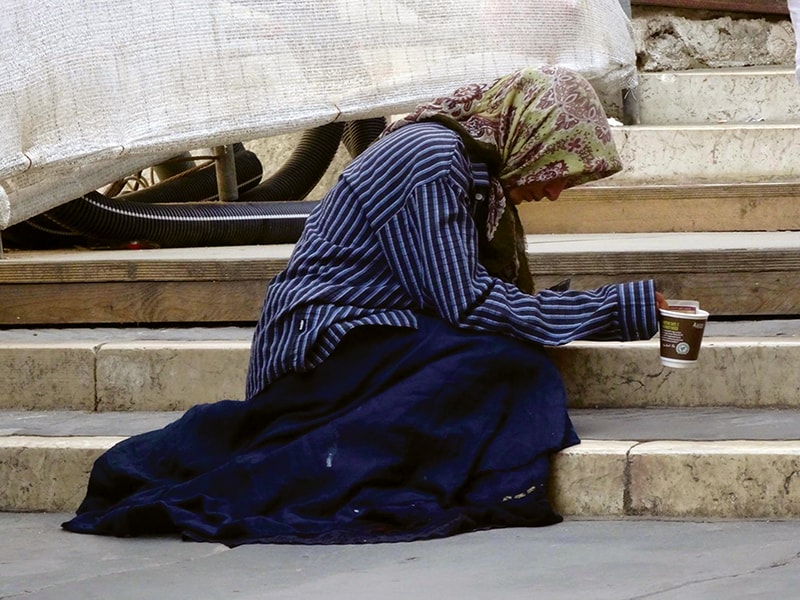
The pattern appears across contexts. Humanitarian aid focuses on saving bodies rather than addressing structural causes of suffering. Asylum systems grant protection to the sick more readily than the persecuted. Policing treats health crises as individual failures rather than systemic problems.
Inequality by design
By linking individual experience to institutional design, Fassin showed how inequality is produced and sustained. Moral judgments become embedded in systems, shaping outcomes not through individual bias but through standard operating procedures.
His work reframes debates in public health and human rights by grounding them in observation rather than theory.
Why NOMIS backed it
Why we backed this research
We funded Didier Fassin’s work because understanding inequality requires close attention to how institutions function in practice, not only philosophical argument.