The symmetry assumption
For decades, biologists assumed that early embryos were essentially featureless. Cells were thought to be identical at first, differentiating only later as chemical signals kicked in.
Magdalena Zernicka-Goetz suspected otherwise. Working mainly with mouse embryos, she asked whether the first cells were truly interchangeable. The tools to answer that question barely existed.
Watching cells choose
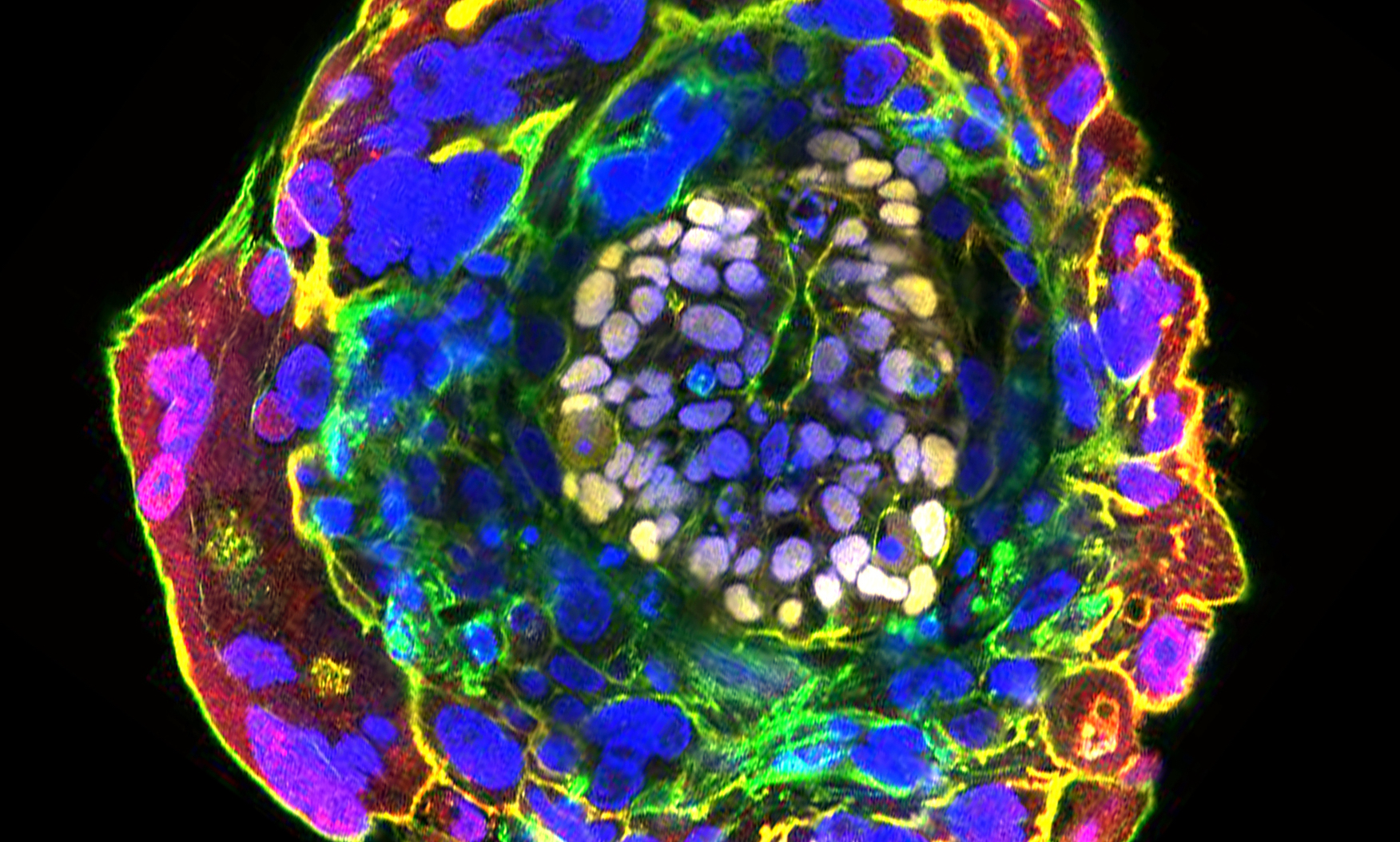
Using live-cell imaging, she tracked individual cells from the very first divisions. Subtle differences appeared almost immediately. Cells varied in position, contact with neighbors and mechanical stress. These differences influenced gene expression and, later, cell fate. Development, it turned out, was neither rigidly predetermined nor entirely random. Early biases combined with adaptive flexibility.
Resilience and repair
One puzzle was how embryos remain robust despite cell loss or other disruptions. Zernicka-Goetz showed that cells communicate and compensate. When conditions change, developmental pathways adjust.
New windows on development
A practical barrier in human research has been access to early embryos. Zernicka-Goetz developed stem-cell models that mimic key features of early development without creating viable embryos. These systems opened new experimental possibilities while staying within ethical boundaries.
Clinical implications
The work has medical relevance. Implantation failure, miscarriage and some birth defects trace to events occurring days after fertilization. Understanding early cell decisions helps clinicians distinguish normal variation from pathology. The research also informs regenerative medicine, where controlling cell fate remains difficult.
Why NOMIS backed it
Why we backed this research
We supported Magdalena Zernicka-Goetz’s work because early development sits at the intersection of fundamental biology, clinical need and ethical complexity — areas where patient, sustained inquiry matters more than quick wins.