A locked archive
For most of the 20th century, studying human evolution meant making educated guesses. Fossils revealed what early humans looked like. Stone tools hinted at how they lived. But the genetic record of extinct populations remained locked away, seemingly forever.
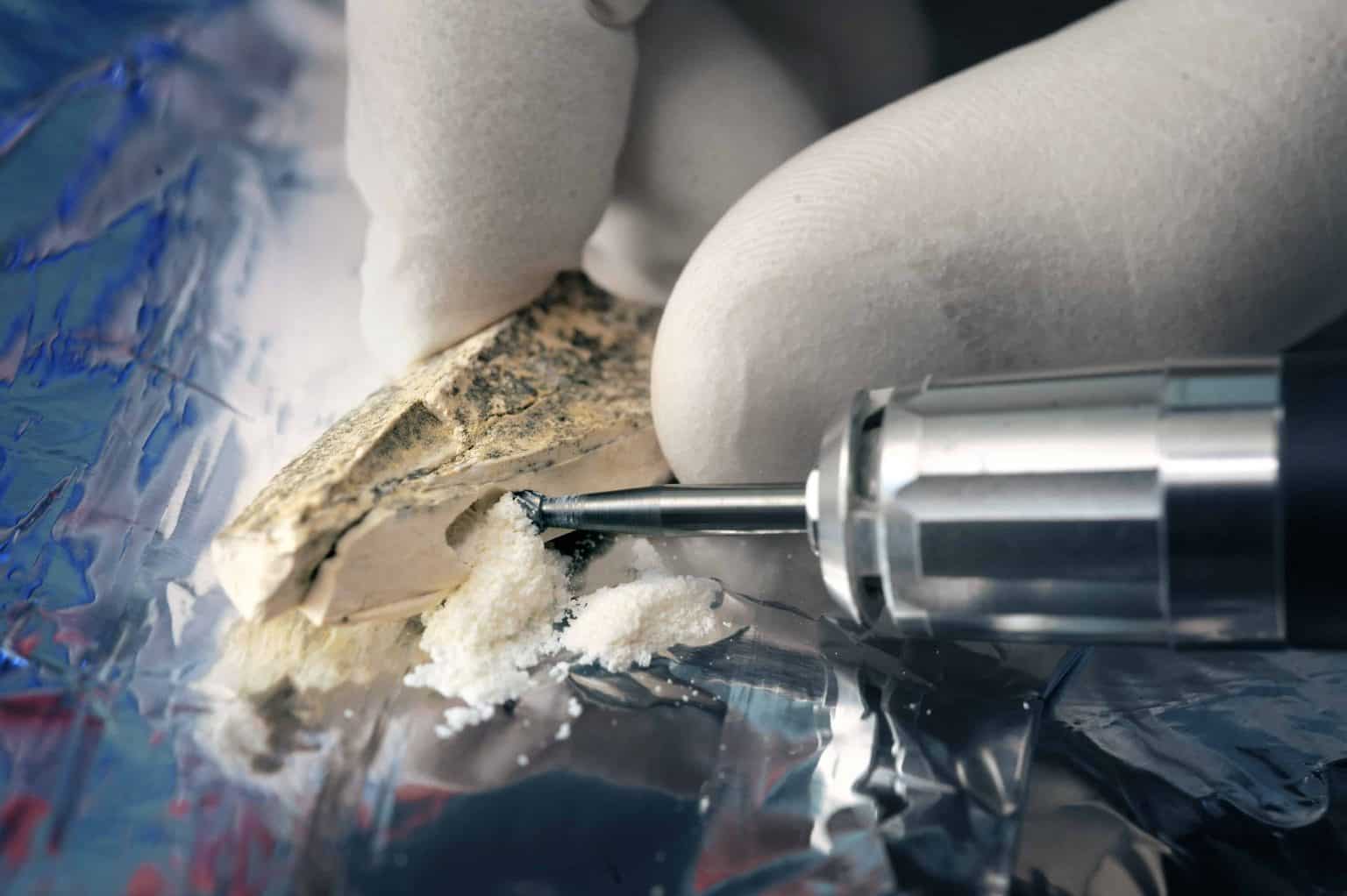
DNA decays quickly after death. Heat, water and bacteria shred it into useless fragments. Early efforts to extract genetic material from old bones were plagued by contamination. By the late 1980s most geneticists had given up on the idea.
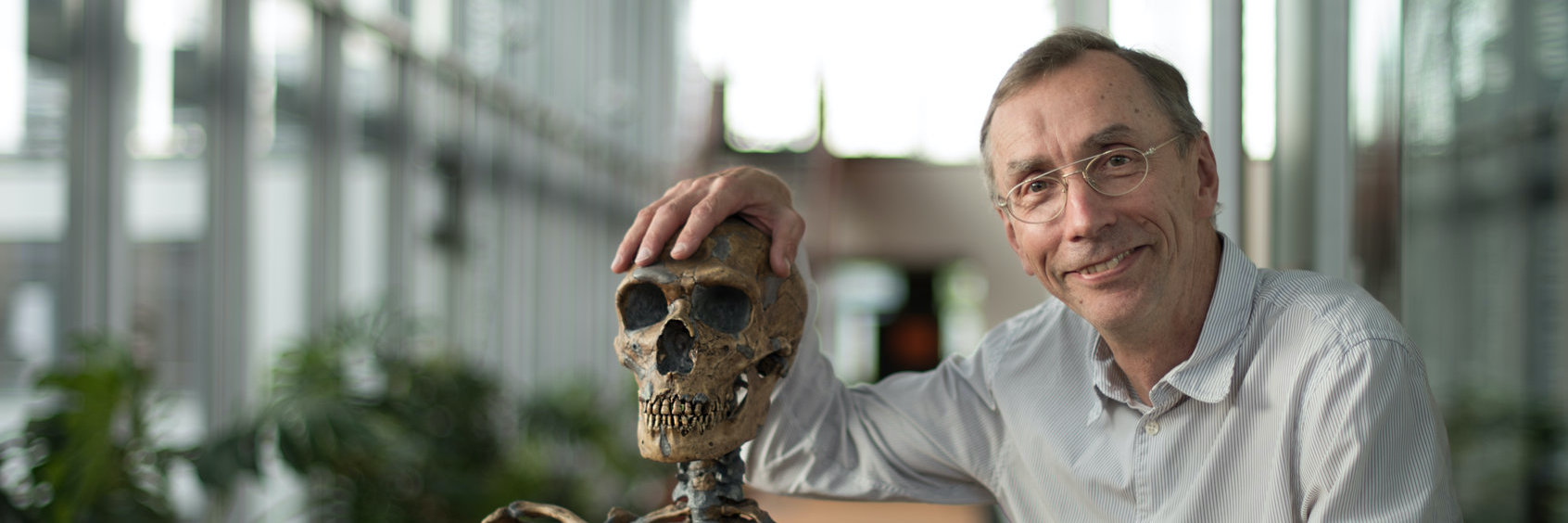
Svante Pääbo did not. Trained as a molecular biologist, he began working on ancient samples when the field was more gamble than science. The challenge was not just extraction but verification: proving that recovered sequences were genuine rather than modern contamination.
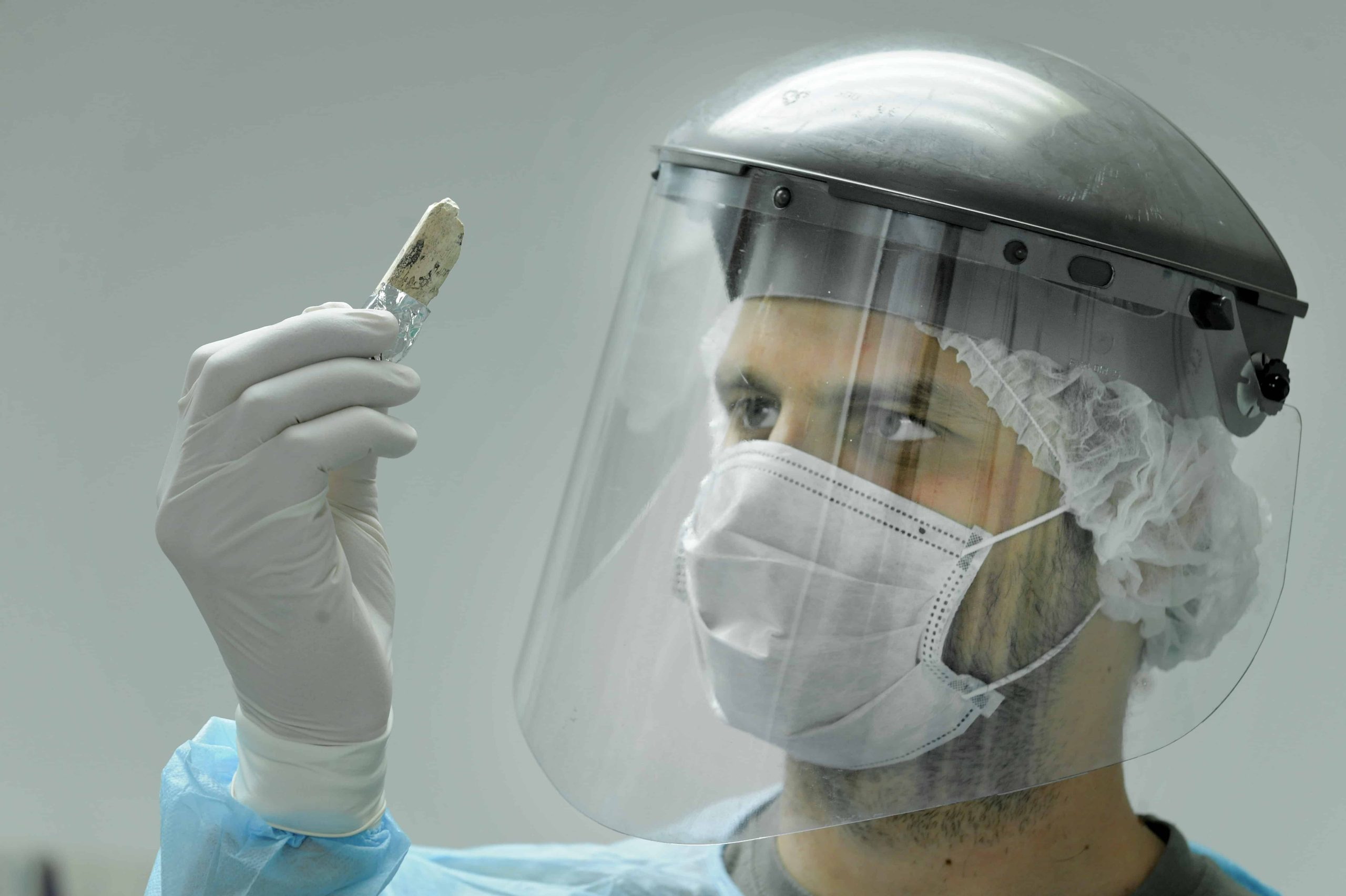
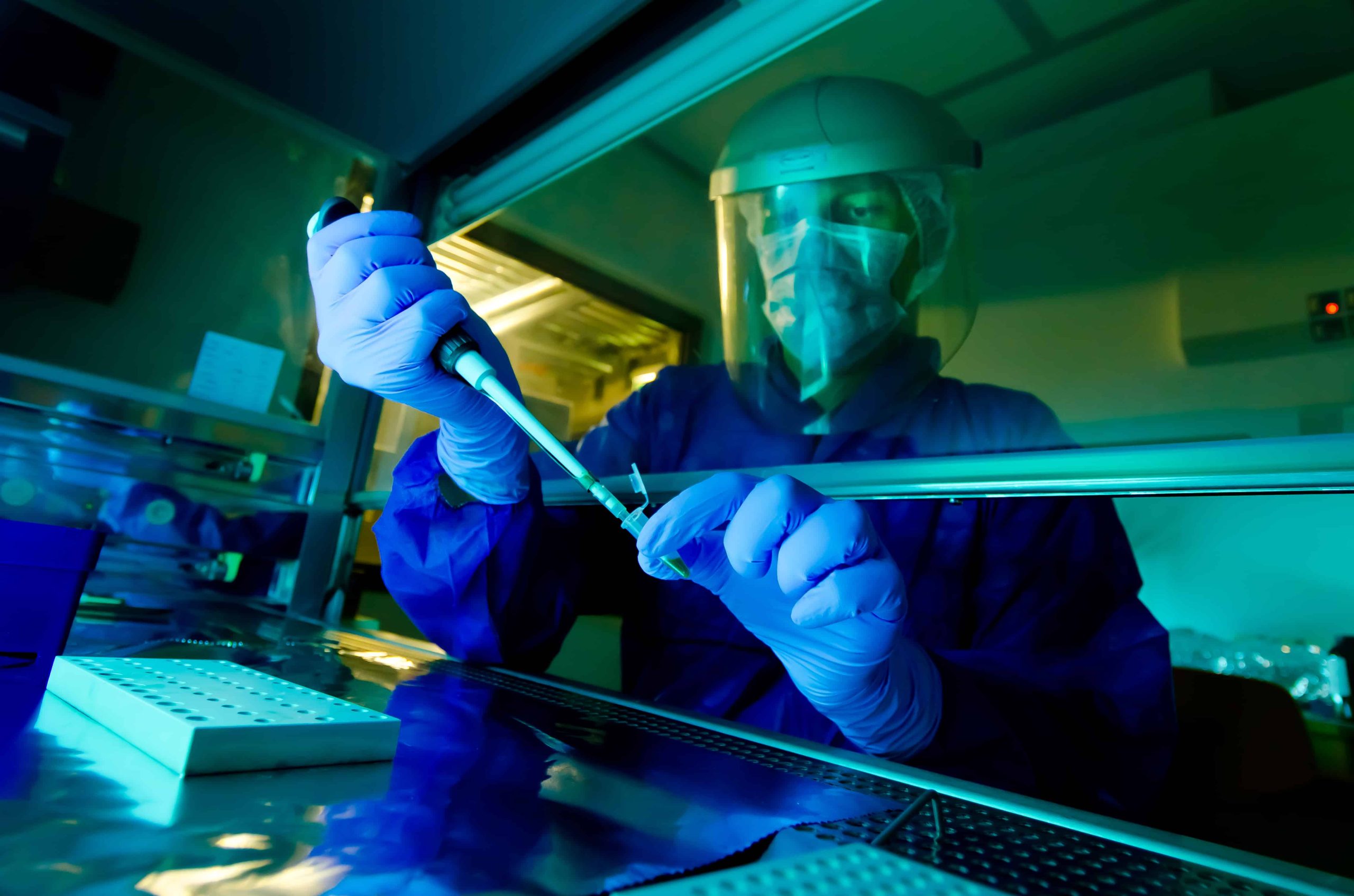
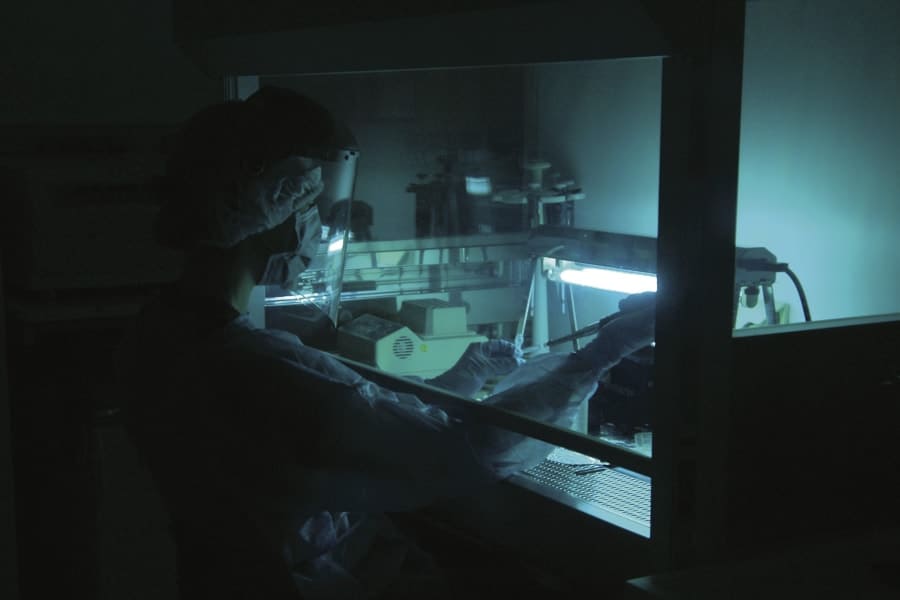
Success required new techniques. Clean rooms. Computational filters. Statistical validation. Ancient DNA work became as much engineering as biology.
From scraps to genomes
Progress came slowly. Early studies recovered short stretches of mitochondrial DNA from Neanderthal bones, suggesting they were a distinct lineage. But the resolution was poor.
The breakthrough came in the 2000s with next-generation sequencing, which could process millions of DNA fragments in parallel. In 2010 Pääbo’s team published the first draft Neandertal genome.
The results upended conventional wisdom. When Neandertal sequences were compared with those of living humans, a pattern emerged: people of non-African descent carried Neandertal DNA. Africans did not. The obvious explanation was interbreeding after Homo sapiens left Africa some 60,000 years ago.
Two years later came another surprise. DNA from a finger bone found in Siberia’s Denisova Cave revealed a previously unknown human group. Denisovan ancestry turned up in Melanesians, Australians and some East Asians.
Human evolution, it became clear, had been messier than anyone thought.
Living legacies
The discoveries mattered beyond ancestry charts. Some inherited Neandertal variants affect immune genes, offering resistance to certain infections while raising the risk of autoimmune disease. Tibetans carry a Denisovan version of EPAS1 that helps them cope with high altitude — an adaptation acquired through interbreeding far faster than mutation alone could have produced it.
A messier history
Pääbo’s work demolished the idea that modern humans simply replaced archaic ones. Instead, the story is one of contact, mixing and persistence. Genetic differences are matters of degree, not kind.
This reframing has consequences beyond science. It undermines narratives of racial purity and human exceptionalism.
Why NOMIS backed it
Why we backed this research
We supported Svante Pääbo’s work years before knowing where it would lead. The foundation funds curiosity-driven questions, not guaranteed results — a model increasingly rare in an era focused on deliverables.