
Exploring the Locales of Cognitive Decline


Despite decades of extensive research, the most prevalent neurodegenerative diseases — Alzheimer’s disease and vascular encephalopathy — remain essentially untreatable, and the fundamental mechanisms of neurodegeneration have yet to be discovered. Based on past experience, progress may come through the deployment of novel technologies — particularly by taking advantage of unbiased, hypothesis-free paradigms.
The project, entitled Exploring the Locales of Cognitive Decline: Cellular and Molecular 3D Atlases of Brain Pathology in Aging and in Neurodegeneration, proposes the combining of high-content three-dimensional morphology with sophisticated fluorochrome chemistry and molecular methods of genome interrogation/perturbation. These techniques will enable the creation of detailed atlases of the cell types that drive damage in various models of neurodegeneration.
NOMIS researchers

About Adriano Aguzzi Adriano Aguzzi is a 2019 NOMIS awardee and has been full professor of neuropathology and director of the Institute of Neuropathology at the University of Zurich (Zurich, Switzerland) since 1997. Born in Pavia, Italy, Aguzzi earned an MD from the University of Freiburg Medical School (Freiburg, Germany) in 1986. Following postdoctoral studies […]
Professor of neuropathology and director of the Institute of Neuropathology
University of Zurich
Project publications
Published on
December 4, 2024
NOMIS Researcher
Adriano AguzziPublished in
Nature Biomedical Engineering
Arrayed CRISPR libraries for the genome-wide activation, deletion and silencing of human protein-coding genes
Arrayed CRISPR libraries extend the scope of gene-perturbation screens to non-selectable cell phenotypes. However, library generation requires assembling thousands of vectors expressing single-guide RNAs (sgRNAs). Here, by leveraging massively parallel plasmid-cloning methodology, we show that arrayed libraries can be constructed for the genome-wide ablation (19,936 plasmids) of human protein-coding genes and for their activation and epigenetic silencing (22,442 plasmids), with each plasmid encoding an array of four non-overlapping sgRNAs designed to tolerate most human DNA polymorphisms. The quadruple-sgRNA libraries yielded high perturbation efficacies in deletion (75–99%) and silencing (76–92%) experiments and substantial fold changes in activation experiments. Moreover, an arrayed activation screen of 1,634 human transcription factors uncovered 11 novel regulators of the cellular prion protein PrPC, screening with a pooled version of the ablation library led to the identification of 5 novel modifiers of autophagy that otherwise went undetected, and ‘post-pooling’ individually produced lentiviruses eliminated template-switching artefacts and enhanced the performance of pooled screens for epigenetic silencing. Quadruple-sgRNA arrayed libraries are a powerful and versatile resource for targeted genome-wide perturbations.
Research Fields
Applied Sciences, Biochemistry & Molecular Biology, Bioinformatics, Biomedical Research, Biotechnology, Enabling & Strategic Technologies, Genetics & Heredity, Health Sciences
The Hidden Cell-to-Cell Trail of α-Synuclein Aggregates
The progressive accumulation of insoluble aggregates of the presynaptic protein alpha-synuclein (α-Syn) is a hallmark of neurodegenerative disorders including Parkinson’s disease (PD), Multiple System Atrophy, and Dementia with Lewy Bodies, commonly referred to as synucleinopathies. Despite considerable progress on the structural biology of these aggregates, the molecular mechanisms mediating their cell-to-cell transmission, propagation, and neurotoxicity remain only partially understood. Numerous studies have highlighted the stereotypical spatiotemporal spreading of pathological α-Syn aggregates across different tissues and anatomically connected brain regions over time. Experimental evidence from various cellular and animal models indicate that α-Syn transfer occurs in two defined steps: the release of pathogenic α-Syn species from infected cells, and their uptake via passive or active endocytic pathways. Once α-Syn aggregates have been internalized, little is known about what drives their toxicity or how they interact with the endogenous protein to promote its misfolding and subsequent aggregation. Similarly, unknown genetic factors modulate different cellular responses to the aggregation and accumulation of pathogenic α-Syn species. Here we discuss the current understanding of the molecular phenomena associated with the intercellular spreading of pathogenic α-Syn seeds and summarize the evidence supporting the transmission hypothesis. Understanding the molecular mechanisms involved in α-Syn aggregates transmission is essential to develop novel targeted therapeutics against PD and related synucleinopathies. © 2022 The Author(s)
Research Fields
Biochemistry & Molecular Biology, Biomedical Research, Health Sciences
Protocol to determine antibody affinity and concentration in complex solutions using microfluidic antibody affinity profiling
Conventional methods of measuring affinity are limited by artificial immobilization, large sample volumes, and homogeneous solutions. This protocol describes microfluidic antibody affinity profiling on complex human samples in solution to obtain a fingerprint reflecting both affinity and active concentration of the target protein. To illustrate the protocol, we analyze the antibody response in SARS-CoV-2 omicron-naïve samples against different SARS-CoV-2 variants of concern. However, the protocol and the technology are amenable to a broad spectrum of biomedical questions. For complete details on the use and execution of this protocol, please refer to Emmenegger et al. (2022),1 Schneider et al. (2022),2 and Fiedler et al. (2022).3 © 2023 The Author(s)
Research Fields
Biomedical Research, Developmental Biology, Health Sciences
Project news

September 8, 2023
Neurodegeneration enters the era of functional genomics
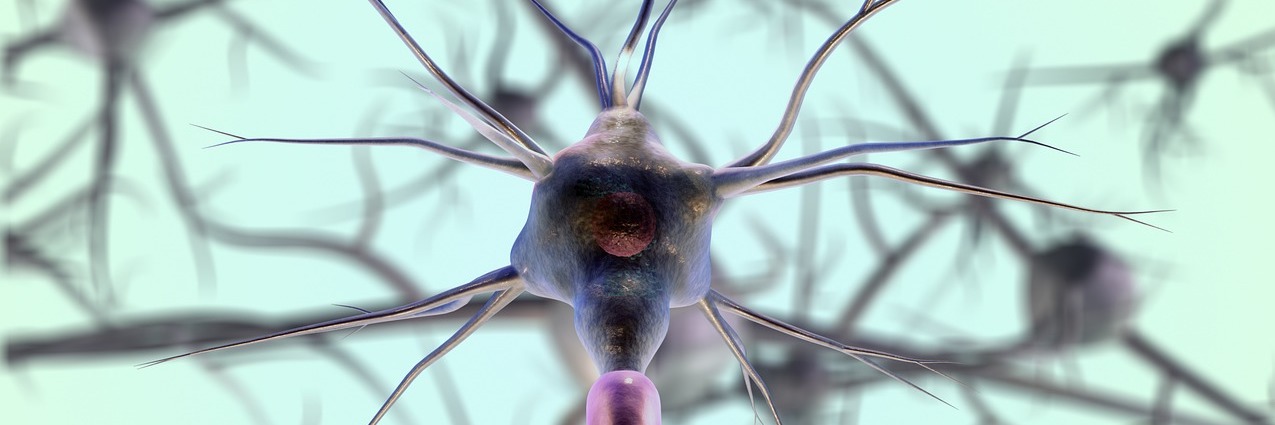
NOMIS Awardee Adriano Aguzzi and colleague Martin Kampmann have published a review article in Science exploring progress in treatment for neurodegenerative diseases. They ask the question, “What accounts for the lackluster progress in therapeutics, and what are some possible ways out of the current impasse?” There are no cures for the most common neurodegenerative diseases. […]
November 18, 2022
Location and maturity of Aβ plaques may influence efficacy of Alzheimer's therapies
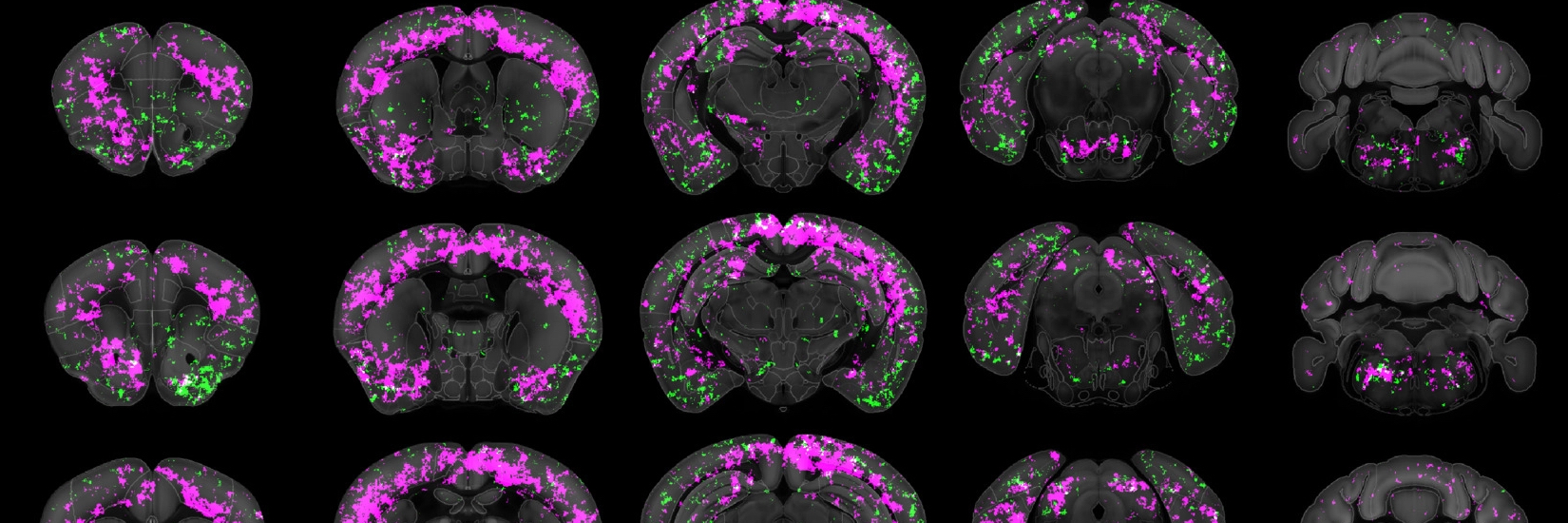
In recent research by NOMIS Awardee Adriano Aguzzi and colleagues, the team found a striking dependence of specific Aβ plaque treatments on the location and maturity of Aβ plaques. Their findings were published in EMBO Molecular Medicine. Abstract Many efforts targeting amyloid-β (Aβ) plaques for the treatment of Alzheimer’s Disease thus far have resulted in […]


November 29, 2021
Anti-tau autoimmunity is associated with a systemic syndrome that includes vascular, kidney and urinary disorders
NOMIS Awardee Adriano Aguzzi and colleagues have identified a previously unknown relatively high prevalence of plasma anti-tau autoantibodies, as well as an association between plasma anti-tau autoantibodies and disease outside the central nervous system. The findings, which were published in medRxiv, reveal new potential roles for natural anti-tau autoantibodies in diseases outside the central nervous system […]
