
NOMIS Professorships at ETH Zurich



ETH Zurich is a leading science and technology university in Zurich, Switzerland, founded in 1855 as a center of innovation and knowledge.
Through this collaboration, ETH and NOMIS aim to advance our understanding of fundamental biological processes and mechanisms and accelerate the discovery processes that could lead to potential therapies for human genetic and other diseases. To this end, ETH and NOMIS have established two professorships:
Professorship of Genome Biology
The Professorship of Genome Biology is enabling the study of the functional elements encoded in complex genomes through comparative analysis, seeking to deepen our understanding of how the genetic variation in the human population is related to disease susceptibility.
Professorship of Cryo-Electron Microscopy
The Professorship of Cryo-Electron Microscopy is enabling the investigation of macromolecular machines mediating cell-cell interactions across different scales of resolution. In an interdisciplinary approach, the key technology cryo-electron tomography is being used to image macromolecules in their cellular context while engaging in mediation of cell-cell interactions. The resulting biological insights advance the fundamental understanding of cell-cell interactions and could lead to innovative antibiotic and/or drug delivery strategies.
People
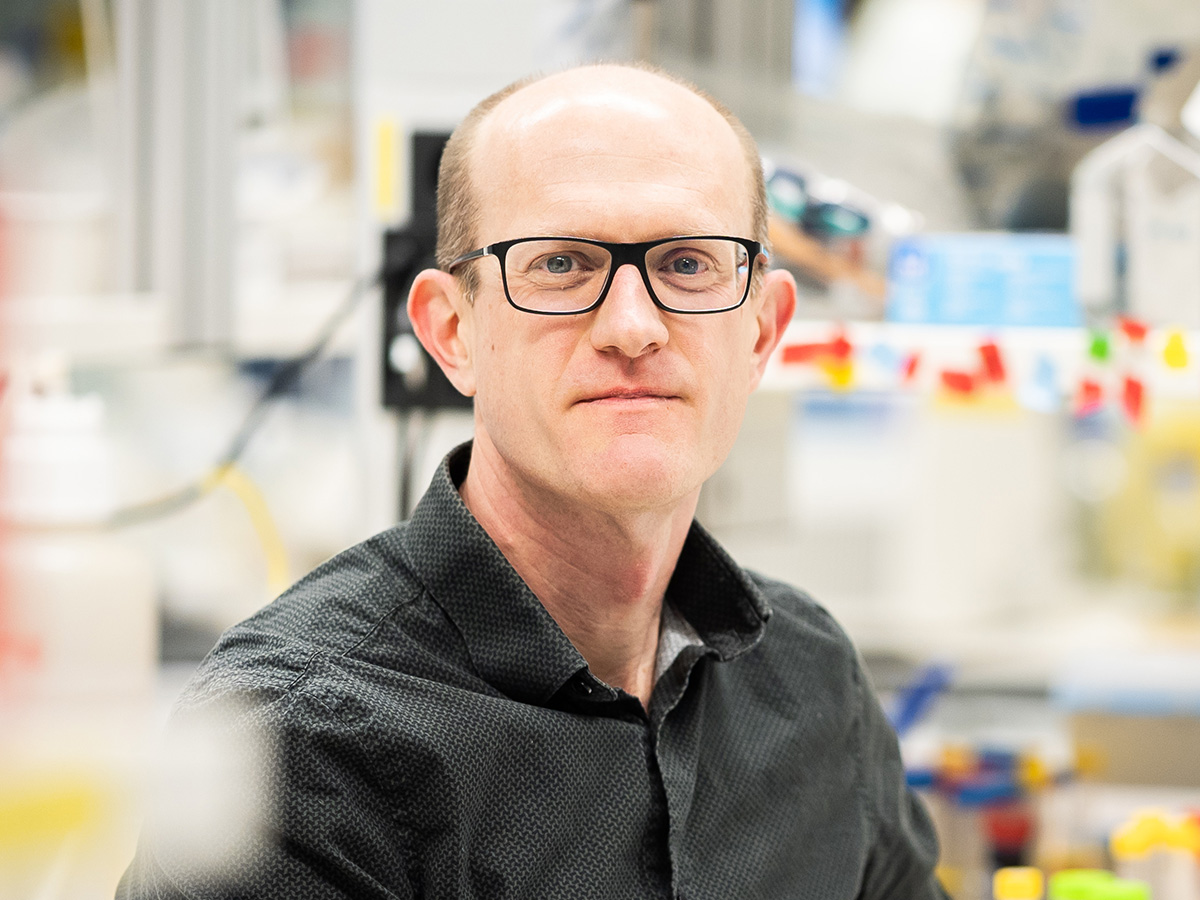
About Jacob Corn Jacob Corn is the Professor of Genome Biology at ETH Zurich (Zurich, Switzerland). In addition to the professorship, he is leading the Unbiased Discovery of Heterogeneous DNA Repair Preferences project. Corn earned a BS in biology from the University of Puget Sound (Tacoma, US) in 2001 and a PhD in molecular and […]
Professor of Genome Biology
ETH Zurich
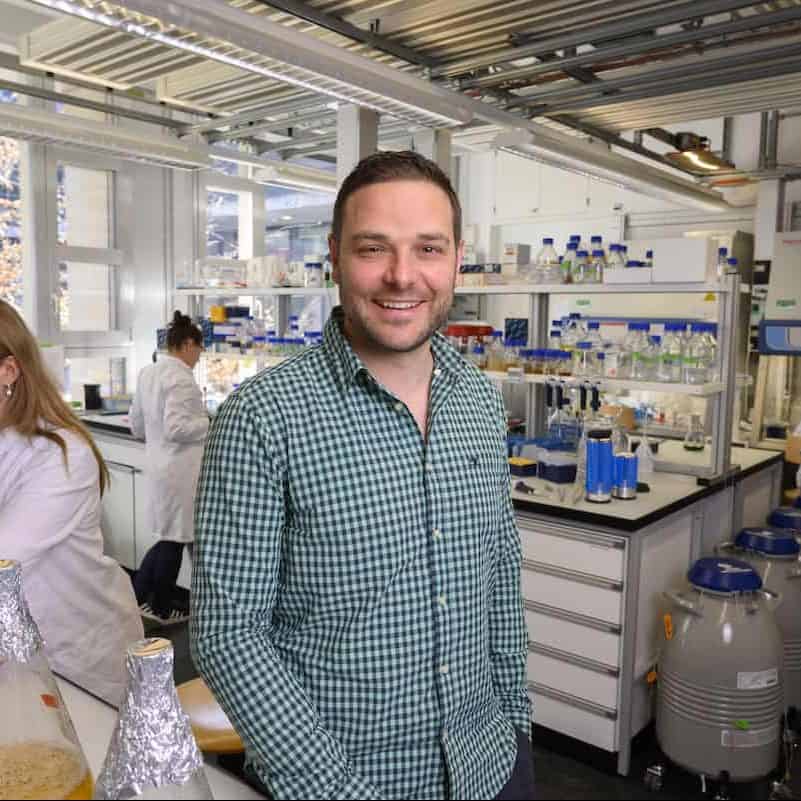
About Martin Pilhofer Martin Pilhofer is Professor of Cryo-Electron Microscopy at ETH Zurich (Switzerland). Born in Germany, Pilhofer studied biology at the University of Bayreuth (Germany) and at the Technical University of Munich (TUM; Germany). He completed his PhD in microbiology with Karl-Heinz Schleifer at the TUM. From 2008 to 2013, he joined Grant Jensen’s […]
Professor of Cryo-Electron Microscopy
ETH Zurich
2 of 2 People
Publications
Comprehensive interrogation of synthetic lethality in the DNA damage response
The DNA damage response (DDR) is a multifaceted network of pathways that preserves genome stability1,2. Unravelling the complementary interplay between these pathways remains a challenge3,4. Here we used CRISPR interference (CRISPRi) screening to comprehensively map the genetic interactions required for survival during normal human cell homeostasis across all core DDR genes. We captured known interactions and discovered myriad new connections that are available online. We defined the molecular mechanism of two of the strongest interactions. First, we found that WDR48 works with USP1 to restrain PCNA degradation in FEN1/LIG1-deficient cells. Second, we found that SMARCAL1 and FANCM directly unwind TA-rich DNA cruciforms, preventing catastrophic chromosome breakage by the ERCC1–ERCC4 complex. Our data yield fundamental insights into genome maintenance, provide a springboard for mechanistic investigations into new connections between DDR factors and pinpoint synthetic vulnerabilities that could be exploited in cancer therapy.
Research Fields
Applied Sciences, Biochemistry & Molecular Biology, Bioinformatics, Biomedical Research, Clinical Medicine, Enabling & Strategic Technologies, Genetics & Heredity, Health Sciences, Oncology & Carcinogenesis

Microtubules in Asgard archaea
Research Fields
Biology, Biomedical Research, Evolutionary Biology, Microbiology, Molecular Biology, Natural Sciences

Stepwise assembly and release of Tc toxins from Yersinia entomophaga
Tc toxins are virulence factors of bacterial pathogens. Although their structure and intoxication mechanism are well understood, it remains elusive where this large macromolecular complex is assembled and how it is released. Here we show by an integrative multiscale imaging approach that Yersinia entomophaga Tc (YenTc) toxin components are expressed only in a subpopulation of cells that are ‘primed’ with several other potential virulence factors, including filaments of the protease M66/StcE. A phage-like lysis cassette is required for YenTc release; however, before resulting in complete cell lysis, the lysis cassette generates intermediate ‘ghost’ cells, which may serve as assembly compartments and become packed with assembled YenTc holotoxins. We hypothesize that this stepwise mechanism evolved to minimize the number of cells that need to be killed. The occurrence of similar lysis cassettes in diverse organisms indicates a conserved mechanism for Tc toxin release that may apply to other extracellular macromolecular machines.
Research Fields
Biochemistry & Molecular Biology, Biomedical Research, Health Sciences, Microbiology
3 of 3 Publications
News


April 11, 2025
How human cells repair damaged DNA
NOMIS Professor of Genome Biology Jacob Corn and fellow researchers at ETH Zurich have unravelled the complex network that cells use to repair their genetic material. By examining thousands upon thousands of genetic interactions, the team has discovered new vulnerabilities in cancer cells that could be exploited therapeutically in the future. Their findings were published […]
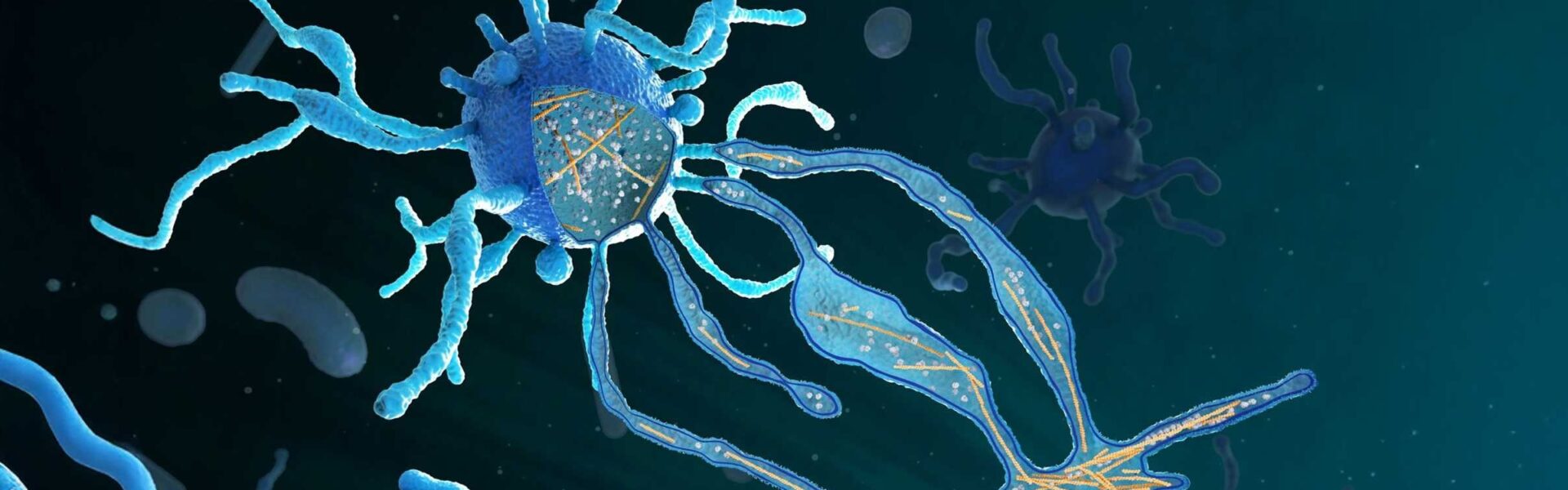

Discovered just a decade ago, Asgard archaea are a group of microbes that bridge the gap between bacteria, simple archaea, and complex life forms like plants and animals. Martin Pilhofer, NOMIS Professor of Cryo-Electron Microscopy at ETH Zurich, and fellow researchers recently studied one species, Lokiarchaeum ossiferum, and found that it contains cytoskeletal proteins strikingly […]

October 18, 2024
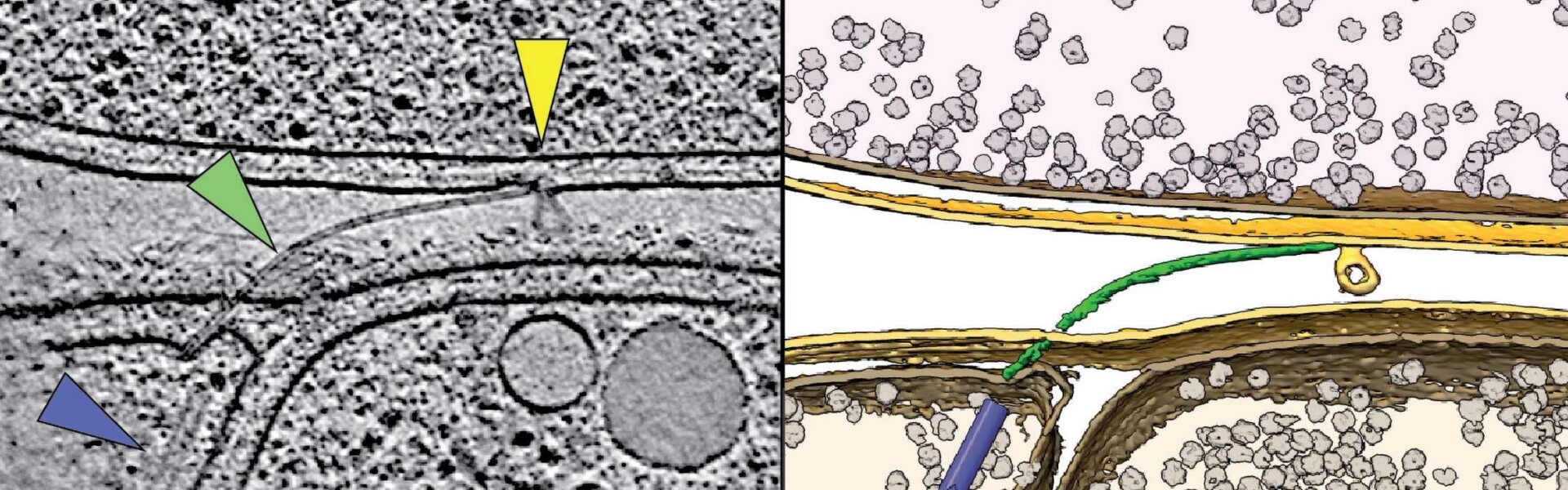
Predatory marine bacterium Aureispira catches prey with grappling hooks and cannons
NOMIS Professor of Cryo-Electron Microscopy Martin Pilhofer and fellow researchers at ETH Zurich have analyzed down to the smallest detail the unusual arsenal of weapons that a predatory marine bacterium Aureispira has at its disposal. Such predatory bacteria could be used to combat blooms of algae or to deliver active ingredients to individual body cells. The […]
